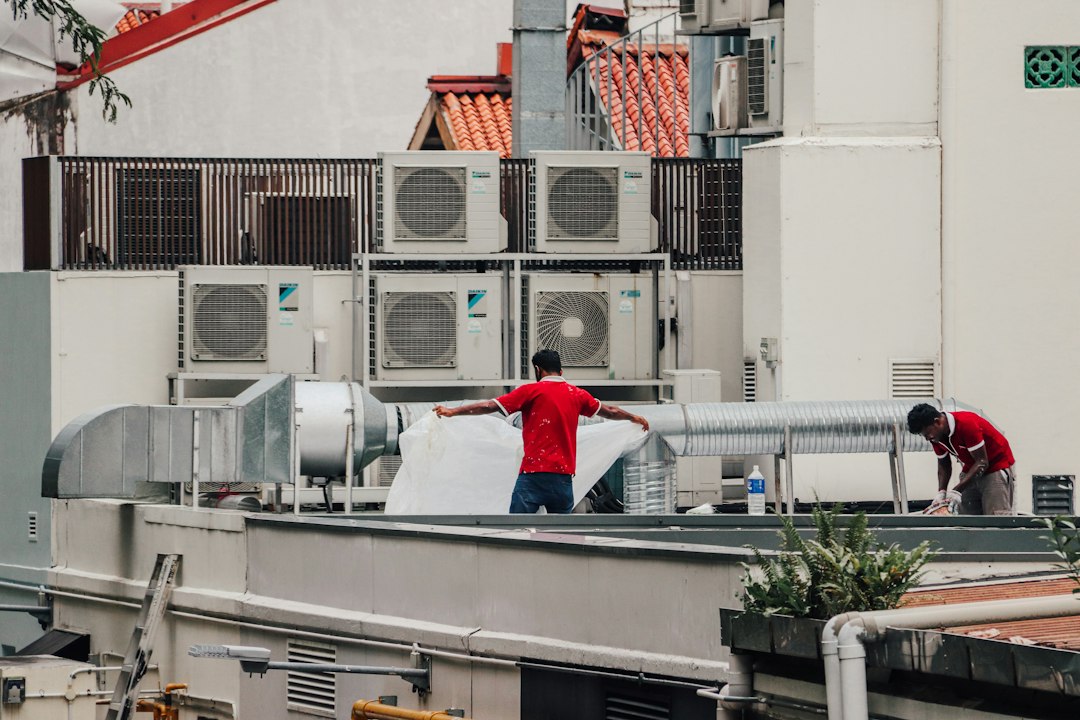
HVAC system leaks can significantly impact your finances through repair expenses and increased energy bills. Addressing leaks promptly helps avoid escalating costs, making awareness and action crucial for homeowners.
The Financial Impact of HVAC Leaks
Leaks in your HVAC system are more than just minor annoyances. They can lead to a host of financial challenges, primarily through increased energy bills and potential repair costs. When your system leaks, it needs to work harder to maintain the desired temperature, leading to higher energy consumption.
Ignoring HVAC leaks can lead to escalating costs, with energy bills rising and potential for more significant repairs.
Understanding Repair Costs
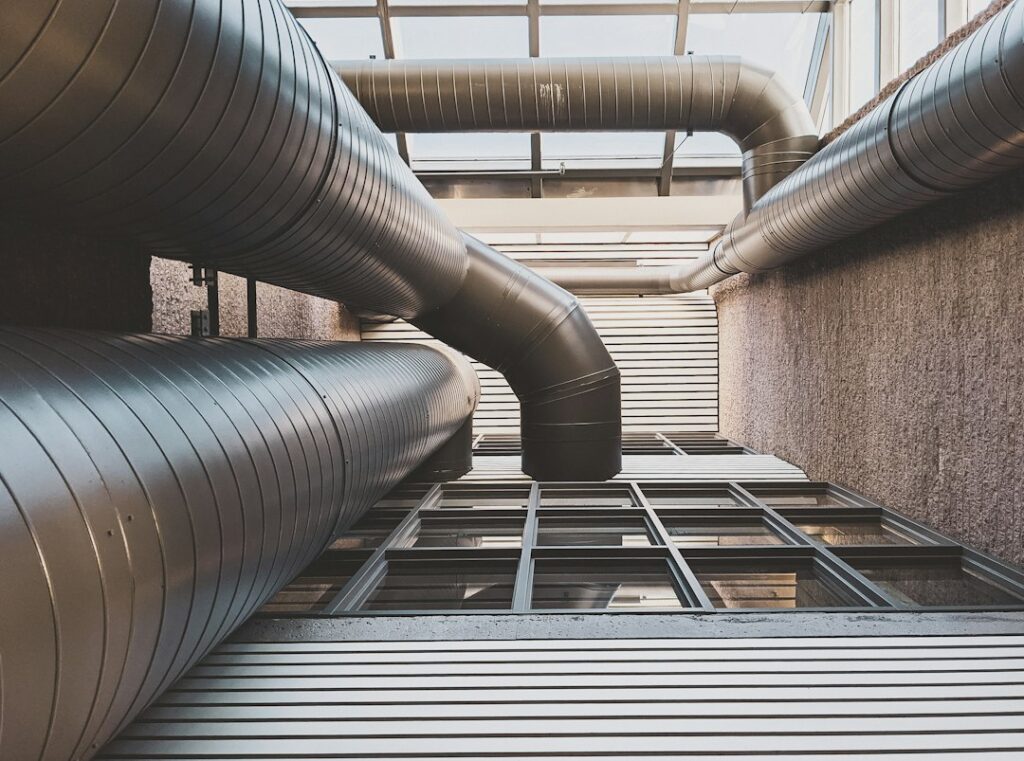
The cost to repair an HVAC leak depends on several factors including the location and severity of the leak. Simple repairs might just involve sealing a duct, which can be relatively inexpensive. However, if the leak is in a more complex part of the system, like the refrigerant line, the costs can be higher. It’s wise to consult with a professional to get an accurate estimate.
Increased Energy Bills
One of the most immediate effects of an HVAC leak is a spike in your energy bills. Since the system is losing air or refrigerant, it requires more energy to maintain your home’s comfort level. This inefficiency can lead to a noticeable increase in monthly expenses, especially during extreme weather conditions when HVAC usage is at its peak.
Long-term Consequences
Beyond immediate costs, unresolved HVAC leaks can lead to long-term financial implications. If left unchecked, small leaks can worsen, leading to major system failures and the need for expensive replacements. Regular maintenance can prevent these issues and save money over time.
Signs You Might Have a Leak
Recognizing a leak early can save you from hefty bills. Common signs include:
- Inconsistent temperatures across your home
- Unusual hissing or bubbling noises from the system
- A sudden, unexplained increase in energy bills
- Reduced airflow from vents
If you notice any of these symptoms, it’s time to contact a professional. You can find HVAC contractors in your area through our contractor directory.
Preventative Measures
Prevention is always better than cure. Regular maintenance checks by a qualified technician can identify potential leaks before they become serious. Simple maintenance tasks, like changing filters regularly and checking ductwork for visible damage, can also help keep your system running efficiently.
For Calgary residents, finding local experts is easy with our list of contractors in Calgary.
What to Do Next
Don’t ignore the signs of an HVAC leak. Acting quickly can prevent the situation from worsening, saving you money and ensuring your home remains comfortable. Consider scheduling regular maintenance and inspections to keep your system in top shape.
Frequently asked questions
How can I tell if my HVAC system has a leak?
Look for signs like inconsistent temperatures, unusual noises, and increased energy bills. If you suspect a leak, consult a professional for inspection.
What should I do if I suspect an HVAC leak?
Contact a qualified HVAC technician to inspect and diagnose the issue. Prompt action can prevent further damage and higher repair costs.
Are there DIY solutions for HVAC leaks?
While minor duct leaks might be manageable, most HVAC leaks require professional attention, especially if they involve refrigerants or critical system components.
Can regular maintenance prevent HVAC leaks?
Yes, regular maintenance can identify potential issues before they become serious, helping to prevent leaks and prolong the system's lifespan.
What factors affect the cost of repairing an HVAC leak?
The repair cost depends on the leak's location and severity, as well as the specific component affected. Professional assessment is essential for an accurate estimate.