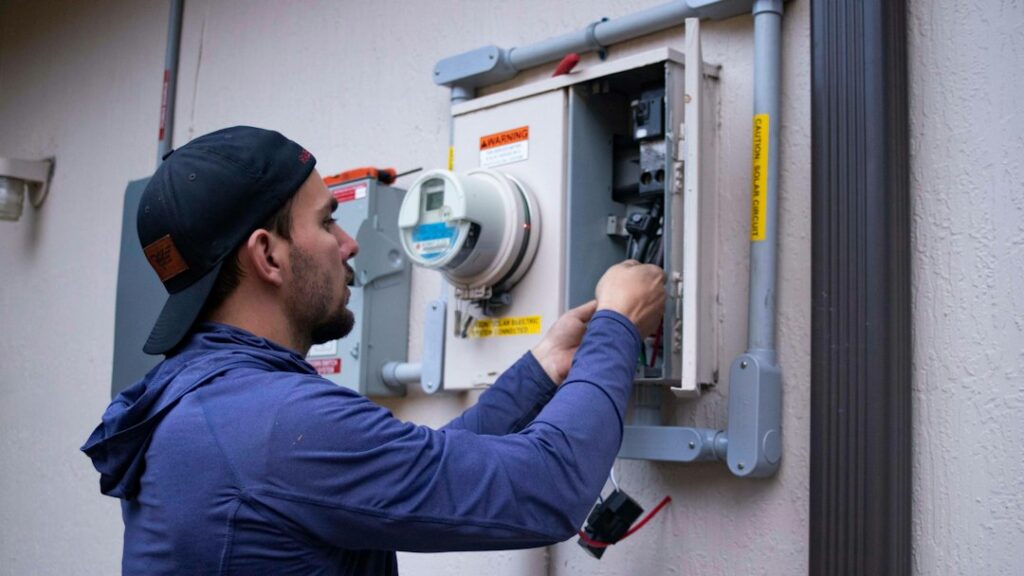

For homes with vaulted ceilings, the best HVAC systems are those that can efficiently manage the larger volume of air. Options like ductless mini-split systems and high-velocity HVAC systems are particularly effective. These systems provide superior temperature control in spaces with high ceilings.
Understanding the Challenges of Vaulted Ceilings
Vaulted ceilings create a unique challenge for HVAC systems. The increased volume means more air to heat or cool. Without the right system, maintaining a consistent temperature can be difficult and costly.
In addition, warm air naturally rises, which can make upper areas of the room warmer than intended while lower areas remain cooler. This uneven distribution can lead to discomfort and inefficiency.
Why Ductless Mini-Split Systems Work Well
Ductless mini-split systems are a good choice for homes with vaulted ceilings. These systems allow for individual control of different zones, providing flexibility and efficiency.
- Zone Control: Each indoor unit can be set to a different temperature, allowing for personalized comfort across different areas.
- Energy Efficiency: By only heating or cooling occupied areas, mini-splits can reduce energy waste.
- Ease of Installation: Without the need for extensive ductwork, installation is simpler and less invasive.
The Benefits of High-Velocity HVAC Systems
High-velocity systems are another effective option for vaulted ceilings. They use small, flexible tubing for air distribution, which fits well into tight spaces and is less obtrusive than traditional ductwork.
- Space Efficiency: The compact tubing can be routed through walls and around obstacles with ease.
- Rapid Temperature Adjustment: High-pressure airflow allows for quick and even temperature changes.
- Minimal Aesthetic Impact: The small vents blend seamlessly into the home’s design.
“Ductless mini-split systems and high-velocity HVAC systems are particularly effective for homes with vaulted ceilings.”
Considering Traditional HVAC Systems
While traditional HVAC systems can work in homes with vaulted ceilings, they may require adjustments. This could include adding ceiling fans or using a zoning system to improve airflow.
Ceiling Fans: An Inexpensive Aid
Ceiling fans can enhance the efficiency of any HVAC system in a room with vaulted ceilings. By circulating air, they help equalize temperatures throughout the space.
During winter, setting the fan to rotate clockwise can push warm air down into the living space. In summer, a counterclockwise rotation creates a cooling breeze.
Consulting a Professional
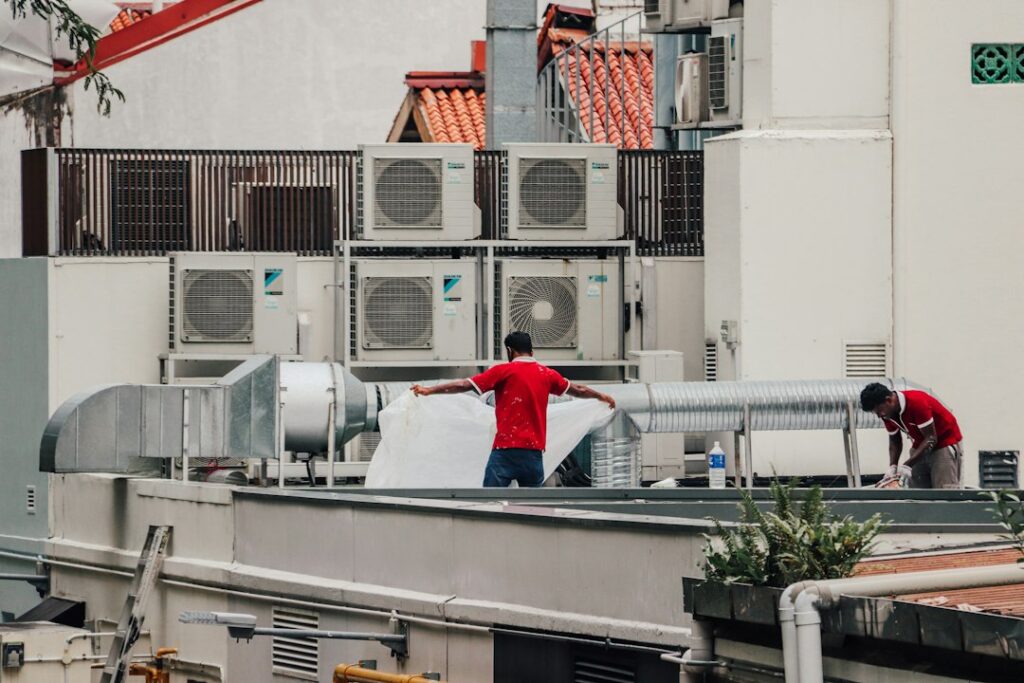
For the best results, consult with a local HVAC professional. They can assess your home’s specific needs and recommend the most suitable system. If you’re in Toronto or other major Canadian cities, you can find local experts using our contractor directory.
These professionals can ensure the system is properly sized and installed, maximizing both comfort and efficiency.
Practical Tips for Efficient HVAC Use
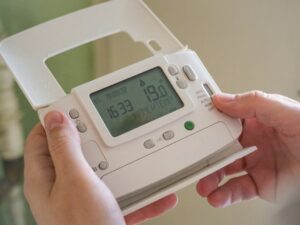
Regardless of the HVAC system you choose, there are steps you can take to improve efficiency. Regular maintenance is key—change filters frequently and schedule annual check-ups. Also, make use of programmable thermostats to reduce energy use when you’re not home.
With the right system and a few additional strategies, you can keep your home comfortable year-round, even with the challenges of vaulted ceilings.
Frequently asked questions
How can I make my existing HVAC system more efficient with vaulted ceilings?
You can use ceiling fans to help distribute air more evenly and consider adding a zoning system to control different areas independently. Regular maintenance is also crucial.
Are ductless mini-split systems expensive to install?
While the upfront cost can be higher than traditional systems, ductless mini-splits are often more energy-efficient and can save money long-term on utility bills.
Do high-velocity HVAC systems require special maintenance?
High-velocity systems require similar maintenance to traditional systems, including regular filter changes and annual professional inspections to ensure optimal performance.
Can I install a ductless mini-split system myself?
It's recommended to hire a professional for installation to ensure the system is correctly sized and installed. Incorrect installation can lead to inefficiency and higher energy costs.