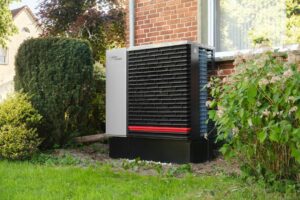

Mini-split systems can be a smart investment for those seeking efficient, flexible heating and cooling solutions. Compared to traditional HVAC setups, they offer significant advantages in cost efficiency and installation flexibility. However, they may not be the best fit for every home, especially if you have extensive ductwork already in place.
Cost Efficiency
One of the main draws of mini-split systems is their potential for cost efficiency. These systems allow for zoned heating and cooling, meaning you can heat or cool only the areas of your home that you are using. This can lead to significant energy savings, particularly for larger homes.
While the initial investment can be higher than some traditional systems, the long-term savings on energy bills often offset this cost. However, the exact savings will vary depending on factors like your home’s insulation and local energy rates.
Installation Flexibility
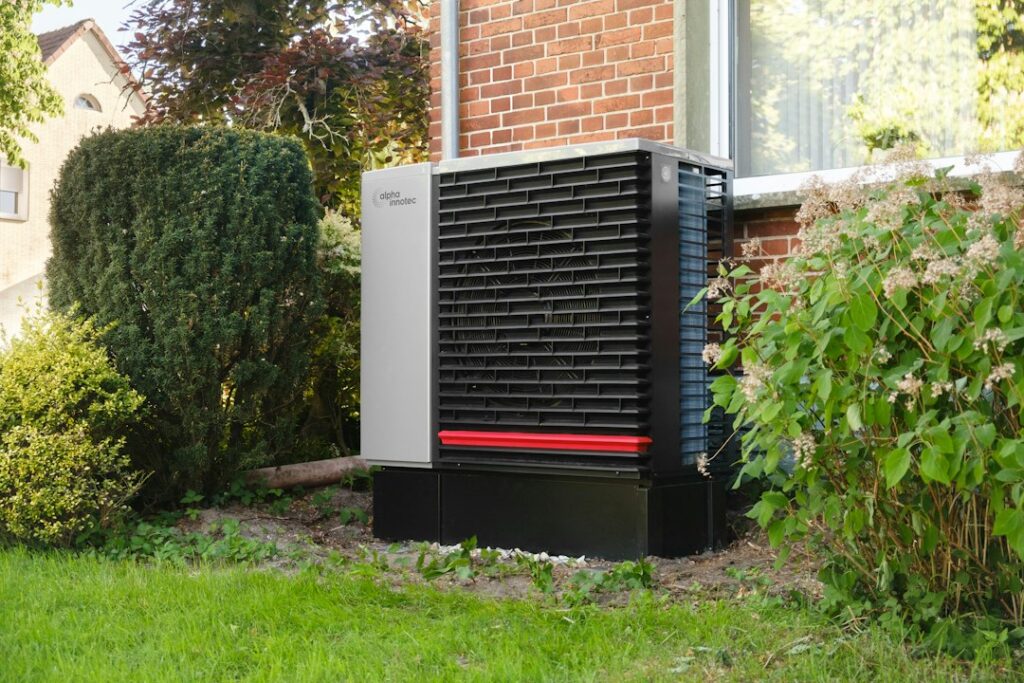
Mini-split systems offer unmatched installation flexibility. They don’t require ductwork, which makes them ideal for older homes without existing duct systems or for new additions where extending ductwork would be costly.
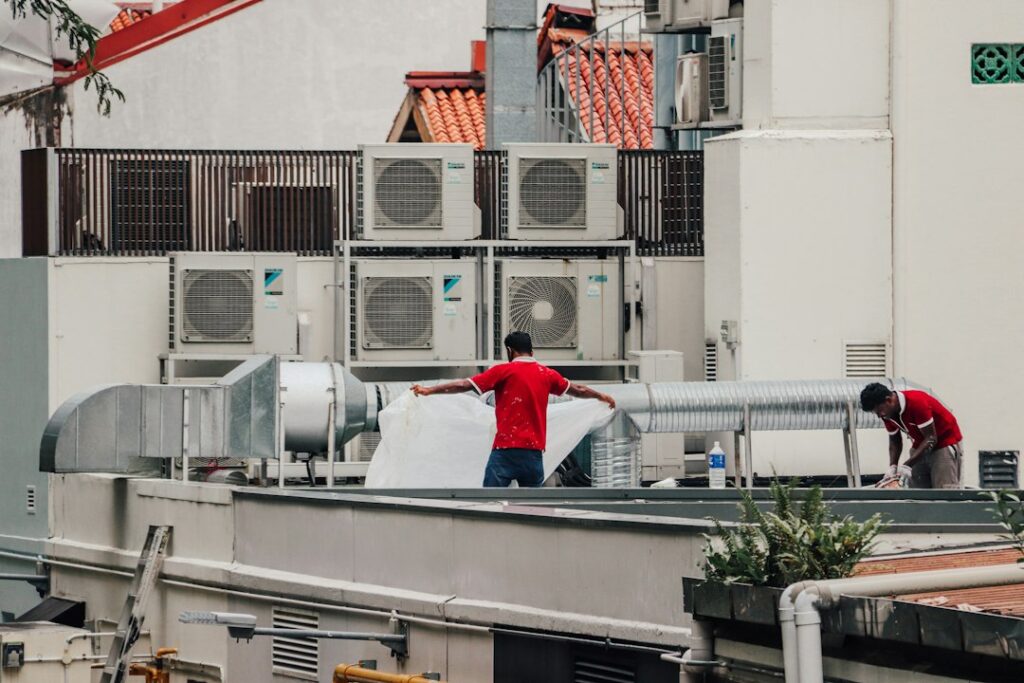
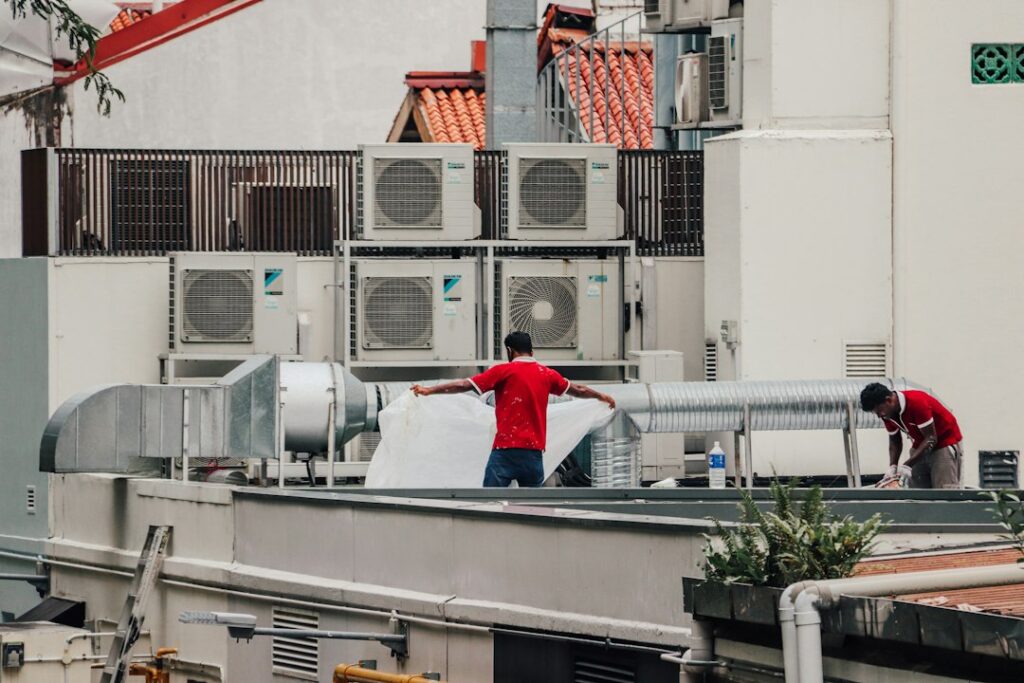
Installation is generally quicker and less invasive than traditional HVAC systems, but it still requires professional expertise to ensure optimal performance and avoid issues like refrigerant leaks.
Climate Suitability
These systems perform well in a range of climates, but their efficiency can be influenced by extreme temperatures. In very cold regions, a mini-split might need supplemental heating. Conversely, in very hot climates, they shine by efficiently cooling specific zones.
If you live in a city with a wide temperature range, like Montreal or Calgary, consulting with a local HVAC contractor in Calgary or in Montreal can help you assess whether a mini-split system is right for your home.
Maintenance and Durability
Regular maintenance is crucial to keep mini-splits running efficiently. They require filter cleaning and periodic check-ups to ensure everything is functioning correctly. These systems are generally durable, but like any HVAC equipment, they may need repairs over time.
Because they are less complex than traditional systems, some aspects of maintenance can be simpler, but always rely on professionals for tasks involving electrical components or refrigerant.
Mini-split systems can reduce energy costs by allowing for targeted heating and cooling, making them a good fit for homes without existing ductwork.
Potential Drawbacks
Despite their benefits, mini-split systems aren’t perfect for everyone. The upfront cost can be a barrier, and they may not be as effective if your home already has a well-functioning duct system.
Another consideration is aesthetics. Indoor units can be more visually obtrusive than traditional vents, and some homeowners may find this undesirable.
Finally, while they offer great flexibility, their performance is highly reliant on proper installation and maintenance. A poorly installed system can lead to inefficiency and increased costs over time.
Is a Mini-Split System Right for You?
If you’re considering a mini-split system, evaluate your home’s current heating and cooling setup, your energy costs, and discuss your needs with a professional. Whether you live in a metropolitan area like Toronto or a smaller community, engaging with local contractors can provide tailored advice.
Mini-splits offer energy efficiency and flexibility, but the decision should be based on your specific situation and needs.