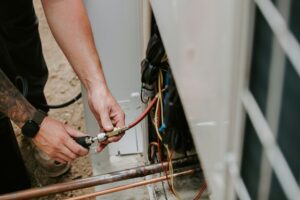
When your HVAC system gives trouble, deciding between repair and replacement often hinges on cost. Repairs are typically cheaper upfront, but replacement might save money long-term if your system is inefficient or consistently breaking down.
When Repairs Make Sense
Repairs are often more cost-effective if your HVAC system is relatively new. Most systems last 10 to 15 years, so if yours is under 10 years old and the issue is minor, a repair is likely the best option.
- Minor Issues: Simple fixes like a faulty thermostat or a clogged filter often don’t justify a full replacement.
- Warranty Coverage: If your unit is under warranty, repairs could be less costly or even free.
- Single Malfunctioning Part: When only one component needs repair, it usually makes sense to fix it rather than replace everything.
When Replacement Is Smarter
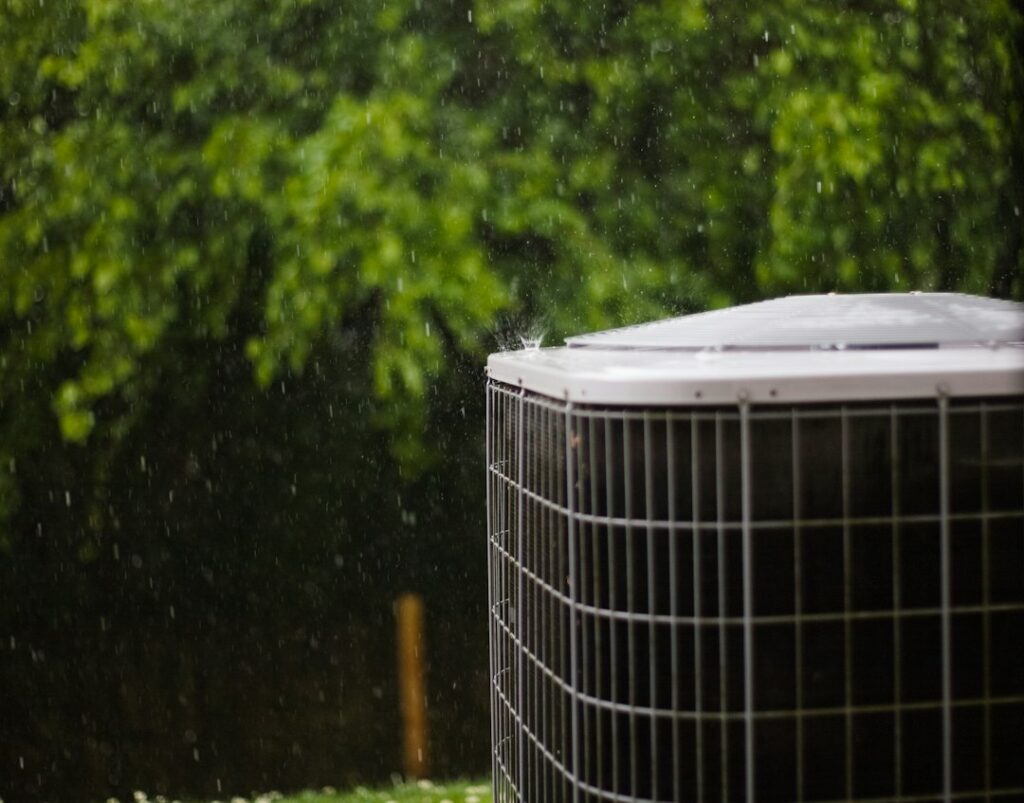
Replacing your HVAC system can be a smart move if your current unit is old, inefficient, or requires frequent repairs. Though costly upfront, a new system can lower energy bills and provide more reliable climate control.
- Age of System: If your system is over 15 years old, replacement is generally advisable due to efficiency improvements in newer models.
- Energy Efficiency: Newer systems are more eco-friendly and can cut energy costs, especially if your current unit has a low SEER (Seasonal Energy Efficiency Ratio).
- Frequent Breakdowns: Constant repairs are a sign that a replacement may be more cost-effective over time.
Cost Considerations
The price of repairs versus replacement varies significantly depending on factors like location, the complexity of the issue, and the type of system. In some cities like Montreal, local contractors offer competitive rates, which can influence your decision.
Repair Costs: Simple repairs can range from minor to moderate expenses, depending on parts and labor.
Replacement Costs: Replacing an entire system is a larger investment, and prices can vary widely. It’s wise to get multiple quotes from local contractors, such as those in Calgary, to find the best deal.
Energy Efficiency and Future Savings
Energy costs are a crucial factor in the repair vs. replace decision. Replacing an old, inefficient HVAC system can lead to significant savings on energy bills. Newer units are designed to comply with modern energy standards, reducing both your carbon footprint and electricity expenses.
“Replacing an aging HVAC system might seem expensive, but it often pays off in reduced energy bills and fewer service calls.”
Environmental Impact
Environmental considerations are increasingly important. Older HVAC systems often have a higher carbon footprint compared to modern energy-efficient models. If sustainability is a priority, this environmental factor might tip the scale towards replacement.
New systems use refrigerants that are less harmful to the atmosphere and are designed to be more energy-efficient, contributing to a more eco-friendly home.
Practical Steps
Before making a decision, consider scheduling an assessment with an HVAC professional. They can provide a clearer picture of your system’s condition and help you weigh the costs and benefits of repair versus replacement.
It’s also beneficial to check for any government rebates or incentives for upgrading to a more energy-efficient system, as these can offset replacement costs.