
Why Ventilation Matters in Humid Kitchens
Let’s take a look inside a typical commercial or residential kitchen in a humid climate. Every time you boil, bake, or broil, you’re pumping steam and grease-laden air into the environment. Without adequate ventilation, all that moisture has nowhere to go. It clings to ductwork, infiltrates your HVAC system, and creates a breeding ground for rust.
Proper ventilation does more than just clear the air—it balances humidity, protects your equipment, and makes the kitchen safer and more comfortable.
The Chain Reaction of Poor Ventilation
-
Increased humidity leads to condensation inside HVAC ducts
-
Condensation turns to standing moisture, especially in poorly insulated areas
-
Moisture attracts rust, mold, and bacterial growth
-
Air quality and system efficiency decline
-
HVAC components like coils and fans start to corrode and fail
It’s not just about comfort—it’s about system longevity and health compliance.
The Role of Range Hoods in HVAC Balance
The range hood may seem like just another kitchen appliance, but it’s a critical part of your HVAC system. Its job is to capture and remove smoke, steam, grease, and heat directly at the source. But how that hood is sized, positioned, and vented can either help your HVAC system—or seriously hinder it.
How Range Hoods Affect Air Balance
Vent hood systems draw air out of the kitchen, but that air has to come from somewhere. If too much air is pulled out without being replaced, you create negative pressure. This pulls in humid outdoor air through gaps, windows, and even plumbing, creating new moisture problems for your HVAC system.
An imbalanced system means:
-
Your HVAC has to work harder to stabilize temperature and humidity
-
Moist air enters instead of exiting
-
Components rust faster due to constant moisture exposure
Sizing Guidelines: Choosing the Right Range Hood
One of the most common mistakes? Installing a hood that’s too powerful or too weak. Proper sizing ensures airflow is effective without compromising your HVAC system’s efficiency.
Residential Kitchens
-
Minimum CFM (Cubic Feet per Minute):
-
Electric Cooktop: 100 CFM per linear foot of cooktop
-
Gas Range: 150 CFM per linear foot of cooktop
-
-
Width: Hood should be at least as wide as the cooktop, ideally 3 inches wider on each side
Commercial Kitchens
-
Sizing depends on cooking equipment, volume, and regulations, but here’s a rough guide:
-
Heavy-duty cooking (woks, charbroilers): 2,000–5,000 CFM
-
Medium-duty cooking (grills, ranges): 1,000–2,500 CFM
-
Include make-up air systems to replace extracted air and balance pressure
-
Pro Tips for Preventing HVAC Rust
1. Install a Make-Up Air Unit (MAU)
Make-up air replaces the air exhausted by your range hood, keeping pressure balanced and preventing humid air infiltration.
2. Use Rust-Resistant Materials
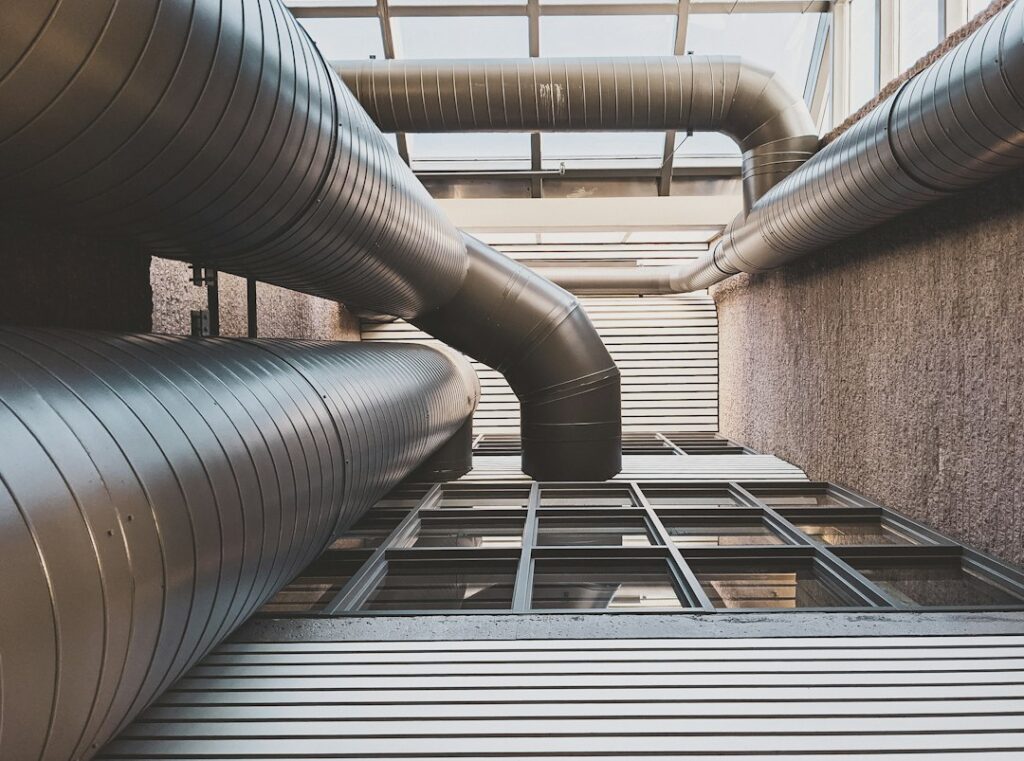
Choose galvanized steel or aluminum ducts with proper insulation to reduce condensation.
3. Maintain Duct Slope and Drainage
Design ductwork with a slight slope to encourage water runoff, and include drain pans where necessary.
4. Clean Filters and Ducts Regularly
Grease buildup traps moisture—clean your hood filters weekly and schedule annual duct cleaning.
5. Monitor Humidity Levels
Keep kitchen humidity between 30–50% using dehumidifiers or HVAC add-ons if needed.
Conclusion
In humid environments, protecting your HVAC system from rust starts with smart kitchen ventilation. A properly sized and balanced vent hood HVAC kitchen system ensures moisture doesn’t linger, rust doesn’t form, and your air stays clean. Think of it as building a partnership between your kitchen appliances and your climate control—when both work in harmony, everyone breathes easier.
So next time you’re savoring the aroma of a home-cooked meal, remember: behind that delicious dish is a hardworking HVAC system. Let’s keep it healthy.
FAQs
1. What is a vent hood HVAC system in a kitchen?
A vent hood HVAC system includes the range hood and its connection to the HVAC system, managing cooking exhaust and balancing air pressure and humidity.
2. How does a vent hood prevent rust in HVAC systems?
By capturing moisture and heat at the source and removing it quickly, vent hoods reduce the amount of humidity that reaches HVAC components.
3. Can you oversize a range hood?
Yes. An oversized hood can create too much negative pressure, pulling in humid air and disrupting your HVAC balance.
4. What materials resist rust best in humid kitchens?
Galvanized steel, aluminum, and stainless steel are ideal. These materials resist oxidation and perform well with proper insulation.
5. How often should range hood filters be cleaned?
For heavy use, clean weekly. For lighter residential use, clean monthly. Replace filters every 6–12 months depending on the model.
6. Is a make-up air system necessary?
Yes, especially in tightly sealed or humid buildings. It helps prevent pressure imbalances and moisture intrusion.
7. Do I need a professional to size a commercial range hood?
Absolutely. Commercial ventilation needs precise calculations based on equipment, kitchen layout, and local codes.
8. What’s the ideal indoor humidity level?
Between 30% and 50%. Higher levels promote rust, mold, and discomfort.