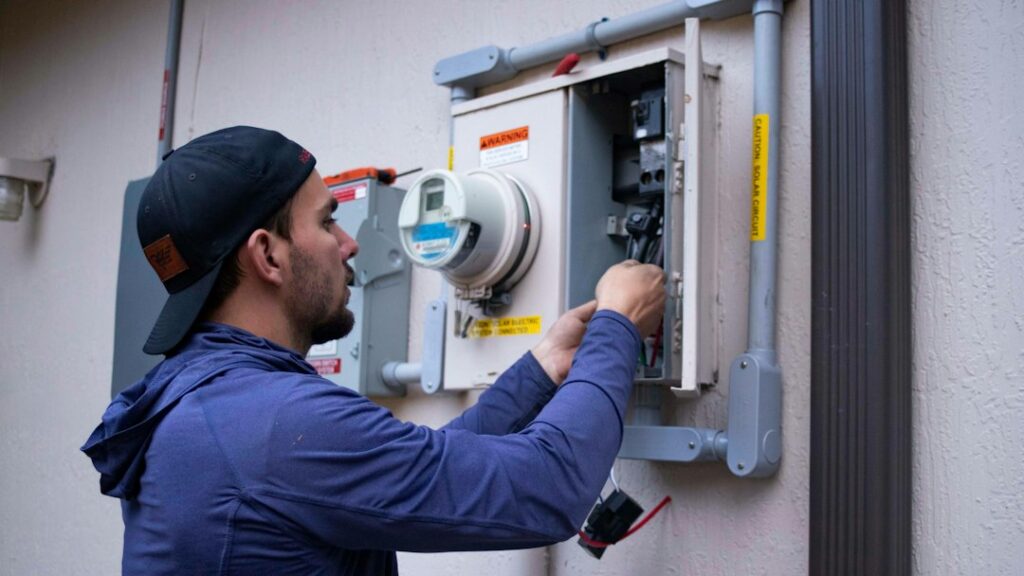

The type of HVAC system you choose depends largely on your climate. Cold climates often need systems with strong heating capabilities, while mild climates benefit from versatility and energy efficiency. Selecting the right system can maximize comfort and reduce costs.
Understanding Cold Climate HVAC Needs
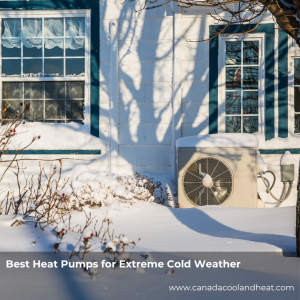
In cold climates, where temperatures frequently drop below freezing, a reliable heating system is crucial. Furnaces, especially those powered by natural gas, are popular choices because they provide consistent warmth even during the harshest winters. Heat pumps can also work well in these areas, but they might require backup heating for extreme cold snaps.
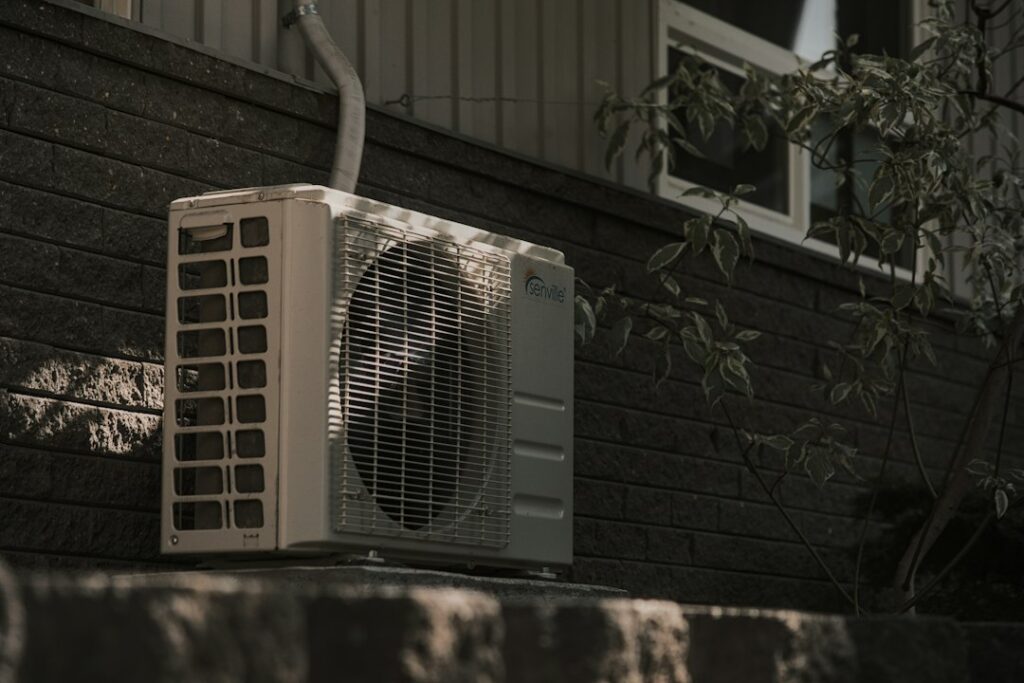
HVAC Options for Mild Climates
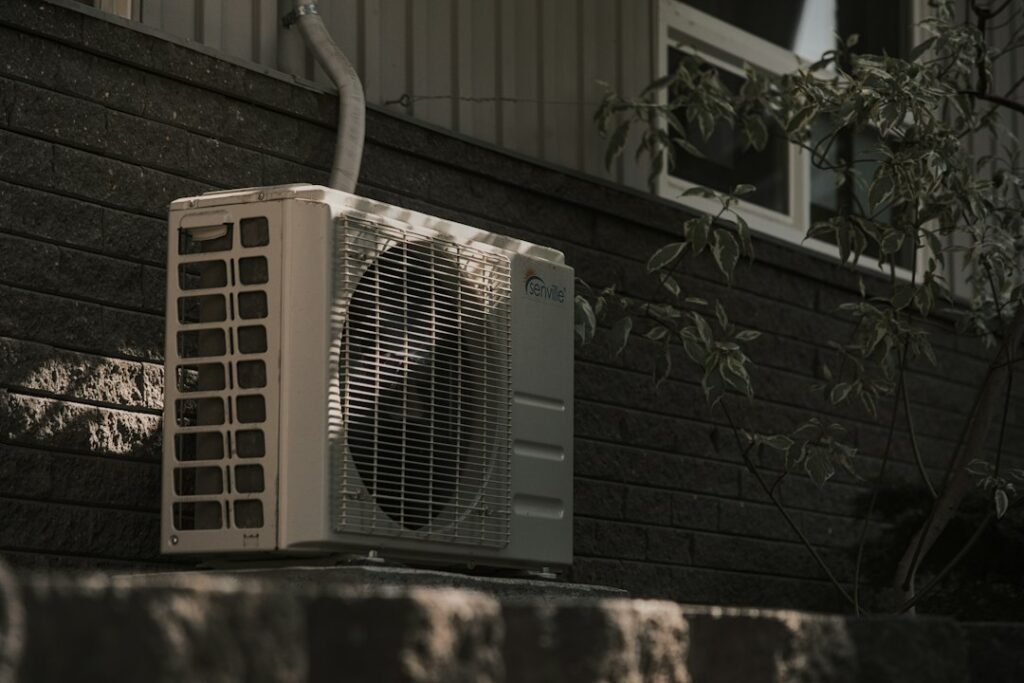
Mild climates, where temperatures rarely reach extremes, offer more flexibility in HVAC choices. Heat pumps are particularly effective, providing both heating and cooling efficiently. In these regions, central air conditioning systems combined with a modest heater can also be effective, as heating demands are lower.
Efficiency Considerations
Energy efficiency is a critical factor for any HVAC system. In cold climates, look for high-efficiency furnaces with a high Annual Fuel Utilization Efficiency (AFUE) rating. For heat pumps, the Heating Seasonal Performance Factor (HSPF) is key. In milder climates, a high Seasonal Energy Efficiency Ratio (SEER) is important for cooling efficiency.
Installation and Maintenance Costs
Installation costs can vary significantly depending on the type of system and the complexity of the installation. Furnaces typically have higher upfront costs, but their longevity and efficiency in cold climates can make them cost-effective in the long run. Heat pumps may have lower installation costs in mild climates but require regular maintenance to ensure efficiency.
Choosing the Right Contractor
Finding the right contractor is crucial for installing and maintaining your HVAC system. Whether you’re in a cold climate city like Edmonton, or a milder area, ensure your contractor is familiar with local climate needs. This knowledge ensures optimal system performance and longevity.
The ideal HVAC system balances cost, efficiency, and comfort tailored to your climate’s demands.
Long-Term Comfort Strategies
For sustained comfort, consider integrating smart thermostats and zoning systems. These technologies allow for customized temperature control, enhancing energy efficiency regardless of climate. Regular maintenance checks are also vital to keep systems running smoothly, preventing unexpected breakdowns.
Remember that choosing the right HVAC system is not just about immediate comfort but also long-term savings and efficiency. Consult with local experts to find the best fit for your climate and home.