Modern heat pumps typically last between 10 to 15 years, but their actual lifespan can vary based on several factors. Regular maintenance and proper usage can help extend a heat pump’s life, while neglect and heavy usage in extreme climates can shorten it.
Factors Influencing Heat Pump Lifespan
Several elements can impact how long your heat pump will last. Understanding these can help you make informed decisions.
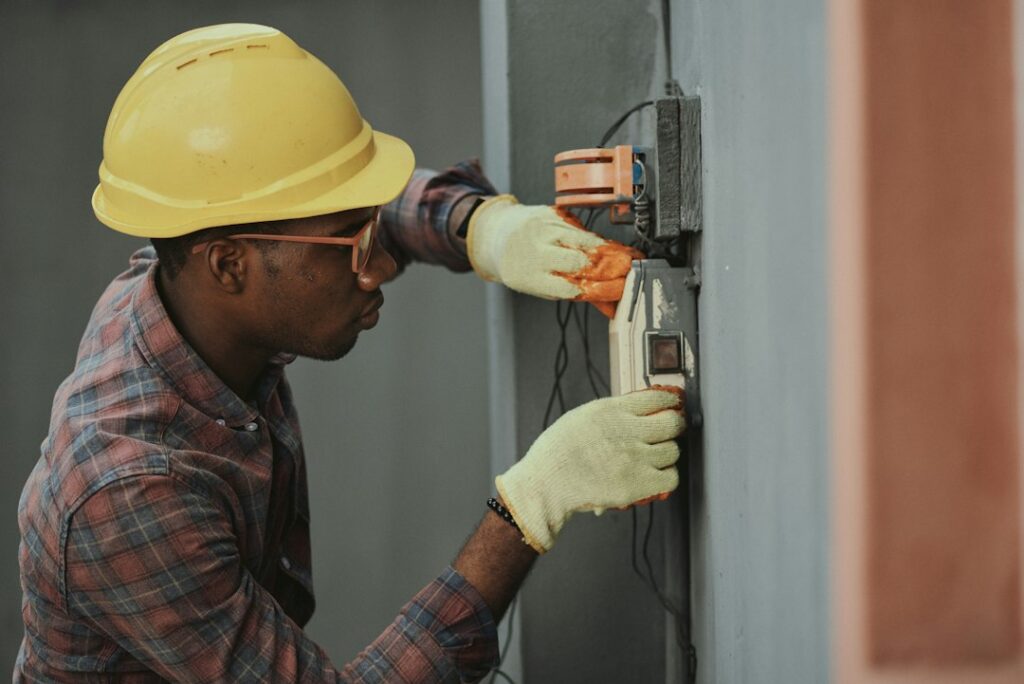
- Quality of Installation: A professional installation ensures the system operates efficiently from day one.
- Climate Conditions: Heat pumps in regions with extreme temperatures may wear out faster due to increased workload.
- Frequency of Use: The more you use your heat pump, the more wear and tear it endures.
- Maintenance Practices: Regular upkeep can significantly extend the lifespan of your system.

Extending the Life of Your Heat Pump
To maximize your heat pump’s lifespan, follow these tips:
- Schedule annual maintenance checks with a qualified technician.
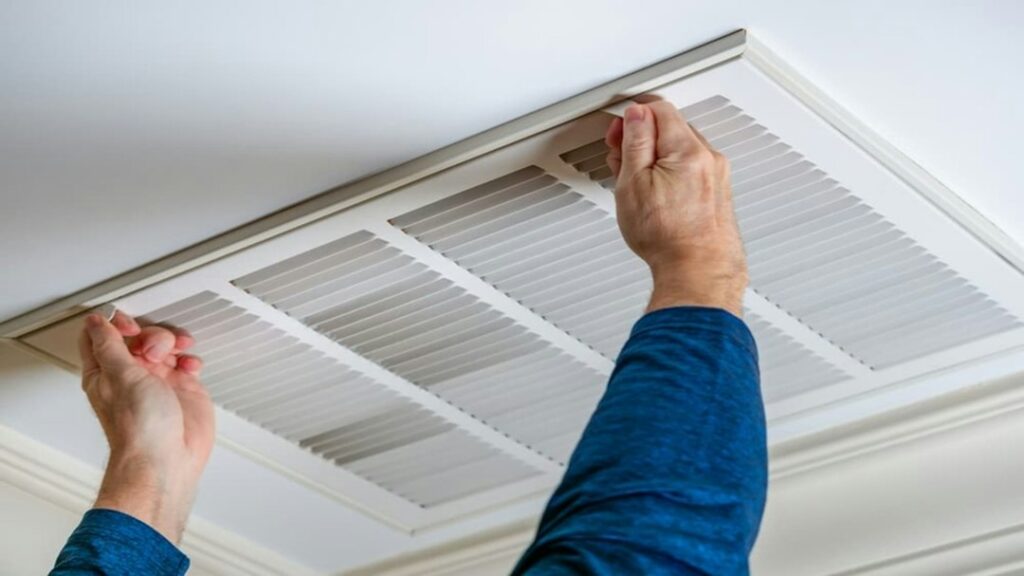
- Change or clean air filters every one to three months.
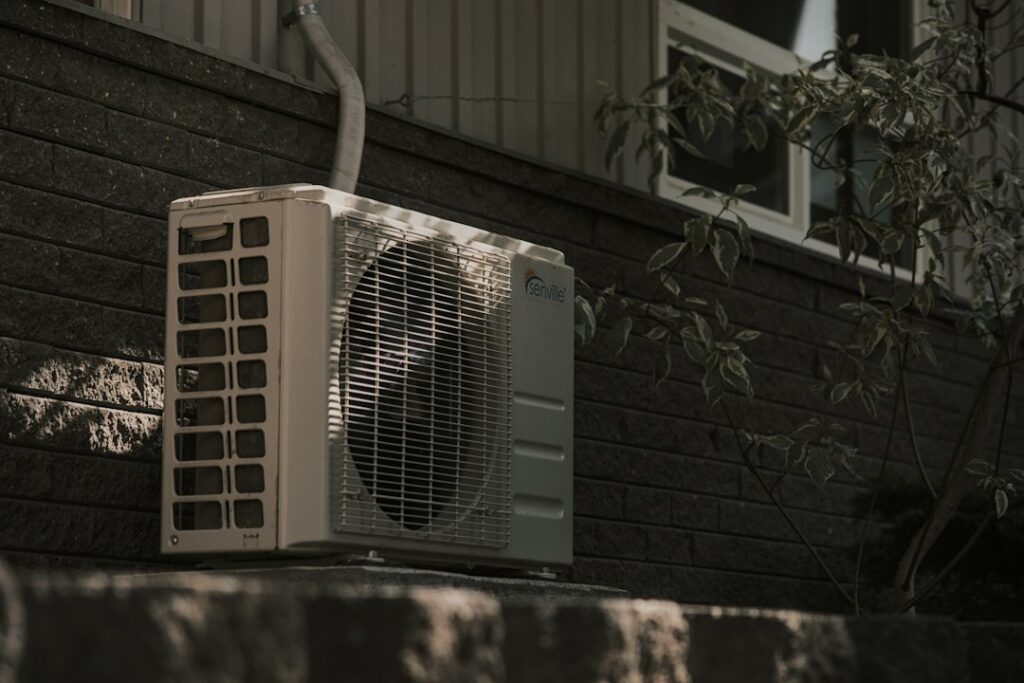
- Keep the outdoor unit clear of debris and vegetation.
- Use a programmable thermostat to reduce unnecessary usage.
The key to a long heat pump life is consistent maintenance and care.
Common Maintenance Tips
Regular maintenance is crucial for a long-lasting heat pump. Not only does it improve efficiency, but it also prevents minor issues from becoming costly repairs.
Professional Maintenance
Hiring a professional for annual tune-ups ensures your system is in top shape. They can identify potential problems early, saving you from unexpected breakdowns.
DIY Maintenance
While some tasks are best left to professionals, homeowners can do a few things themselves:
- Clear leaves and debris from the unit.
- Check for leaks or unusual noises.
- Ensure the thermostat functions properly.
Signs Your Heat Pump May Need Replacement
Even with the best care, a heat pump will eventually need replacement. Look out for these signs:
- Frequent repairs: Increasing repair costs can indicate it’s time for a new system.
- Reduced efficiency: A noticeable spike in energy bills could mean your heat pump is struggling.
- Age: If your heat pump is over 15 years old, consider planning for a replacement.
Finding the Right Contractor
When it’s time to replace or service your heat pump, finding a reliable contractor is crucial. Our directory of HVAC contractors can help you find professionals in your area.
For those in specific cities, you can find contractors in Toronto, Calgary, and other major locations.
Practical Advice for Homeowners
Stay proactive with your heat pump care to ensure a comfortable home environment. Regularly assess your system’s performance and engage with professionals for any concerns. This vigilance will help you get the most out of your heat pump investment.