To optimize your HVAC system for allergies, focus on using high-efficiency filters and maintaining a regular cleaning schedule. This approach minimizes the circulation of dust, pollen, and other allergens, improving indoor air quality. Here’s how you can make these improvements.
Selecting the Right Air Filter
Choosing the right air filter is crucial for reducing allergens. Look for filters with a high MERV rating, ideally between 8 and 13. These filters trap smaller particles, such as pollen and pet dander, more effectively than standard filters.
Consider using HEPA filters if your system allows. They remove at least 99.97% of airborne particles as small as 0.3 microns. However, HEPA filters may not be compatible with all systems, so check with your HVAC contractor to ensure they suit your setup.
Regular Filter Maintenance
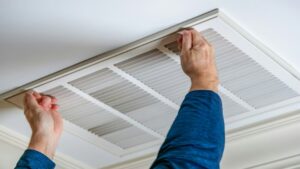
Maintaining your filters is as important as selecting them. Replace or clean your air filters every one to three months, depending on usage and manufacturer’s recommendations. Regular maintenance prevents clogs and ensures efficient airflow.
Check filters monthly if you have pets or live in a dusty area. This vigilance helps avoid excess buildup that can reduce air quality and system efficiency.
Cleaning Air Ducts
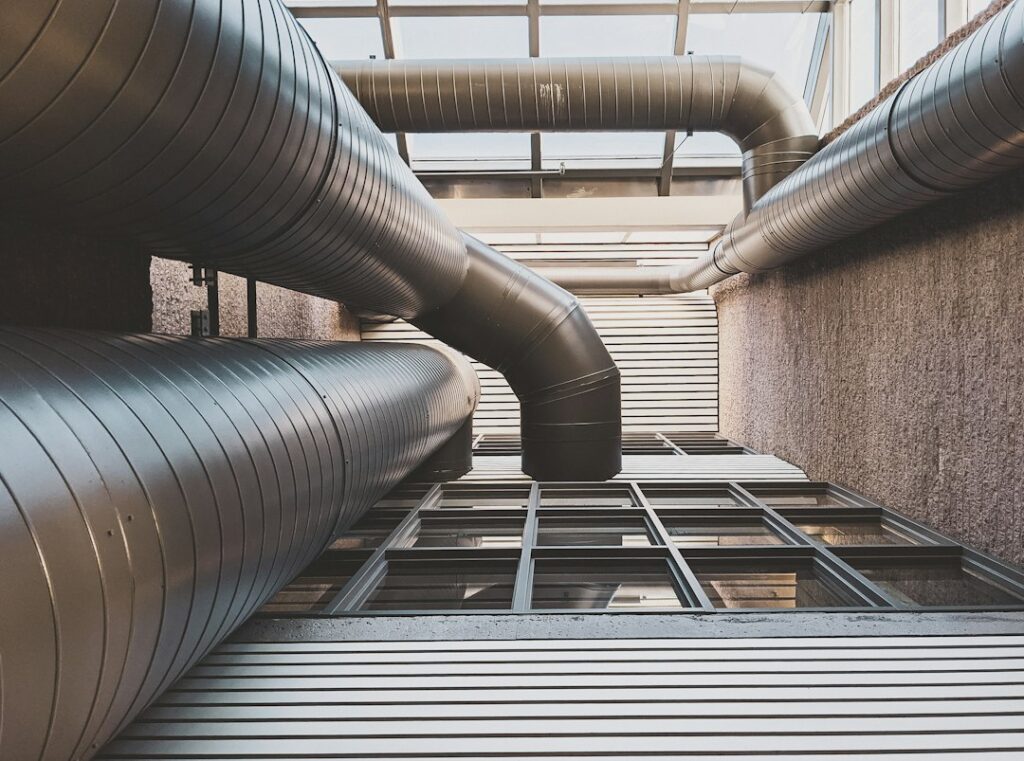
Dust and debris can accumulate in air ducts, circulating allergens throughout your home. While cleaning ducts isn’t needed frequently, consider it every few years or if you notice substantial dust buildup.
If you’re unsure about the condition of your ducts, consult with a local professional. For those in larger cities, like Toronto or Montreal, finding experienced HVAC contractors can help address duct cleaning needs efficiently.
Keeping Vents Clean
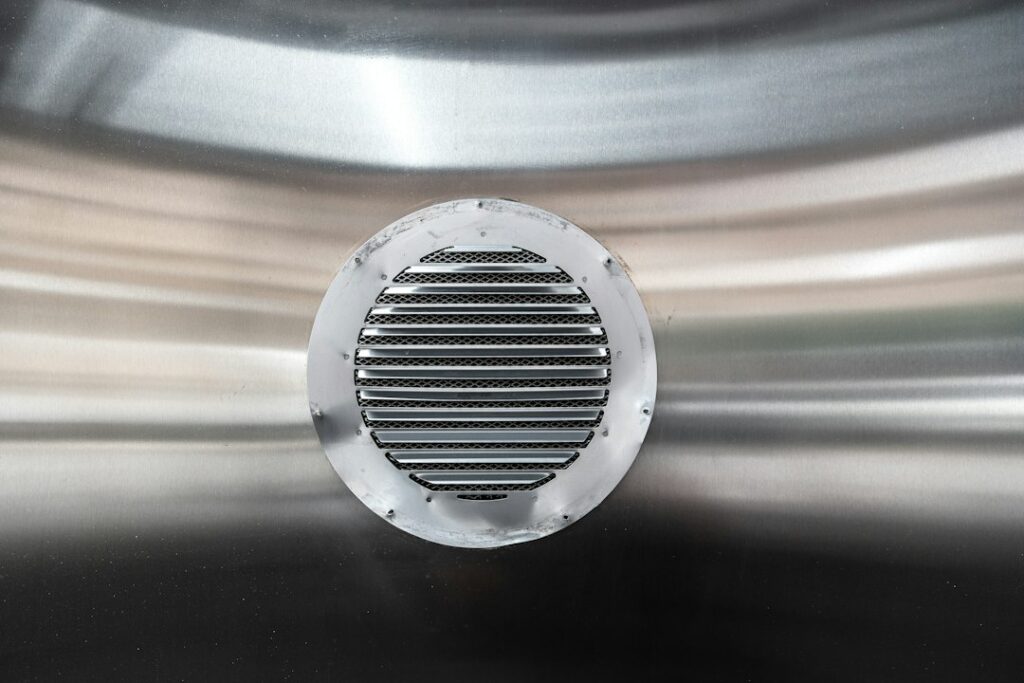
Vent maintenance is straightforward but often overlooked. Regularly dust and vacuum vents to prevent dust and allergens from circulating. Pay attention to return air grilles as they can collect significant dust.
If you notice reduced airflow or persistent dust, it might be time to call a professional for a more thorough cleaning.
Using Air Purifiers
Air purifiers can complement your HVAC system by adding an extra layer of filtration. Choose a unit suitable for your room size and equipped with a HEPA filter for best results.
Position air purifiers in bedrooms or living areas where you spend the most time. This targeted approach helps improve air quality significantly in spaces you frequent.
“Choosing the right air filter and maintaining it diligently can significantly reduce airborne allergens in your home.”
Additional Steps for Allergy Relief
Beyond HVAC adjustments, consider other measures to reduce allergens:
- Keep windows closed during high pollen seasons.
- Use a dehumidifier to maintain indoor humidity below 50%.
- Regularly wash bedding and curtains to remove dust mites and pollen.
These steps, combined with an optimized HVAC system, will create a more comfortable environment for allergy sufferers.
Practical Next Steps
Start by assessing your current HVAC system, focusing on the filter and maintenance schedule. From there, gradually incorporate the practices outlined above, seeking professional advice if needed. Your efforts will lead to noticeable improvements in air quality and comfort.
Frequently asked questions
What is the best MERV rating for allergy sufferers?
A MERV rating between 8 and 13 is recommended for allergy sufferers. These filters capture smaller particles like pollen and pet dander effectively.
Can I use a HEPA filter in my existing HVAC system?
HEPA filters may not be compatible with all HVAC systems due to their density. Consult with an HVAC professional to determine if your system can accommodate a HEPA filter.
How often should I replace my HVAC air filter?
Replace your air filter every one to three months, or more frequently if you have pets or live in a dusty environment. Regular checks can help determine the best schedule.
Are air purifiers effective for reducing allergens?
Yes, air purifiers with HEPA filters can effectively reduce allergens. They are particularly useful in rooms where you spend significant time, such as bedrooms and living areas.
How often should air ducts be cleaned?
Air ducts typically need cleaning every few years. However, if you notice excessive dust or reduced airflow, consider having them inspected and cleaned sooner.