Installing an HVAC zoning system can lead to significant cost savings by allowing you to heat or cool specific areas of your home rather than the entire house. This personalized approach not only reduces energy consumption but also enhances comfort by maintaining different temperatures in different zones based on your needs.
Understanding HVAC Zoning Systems
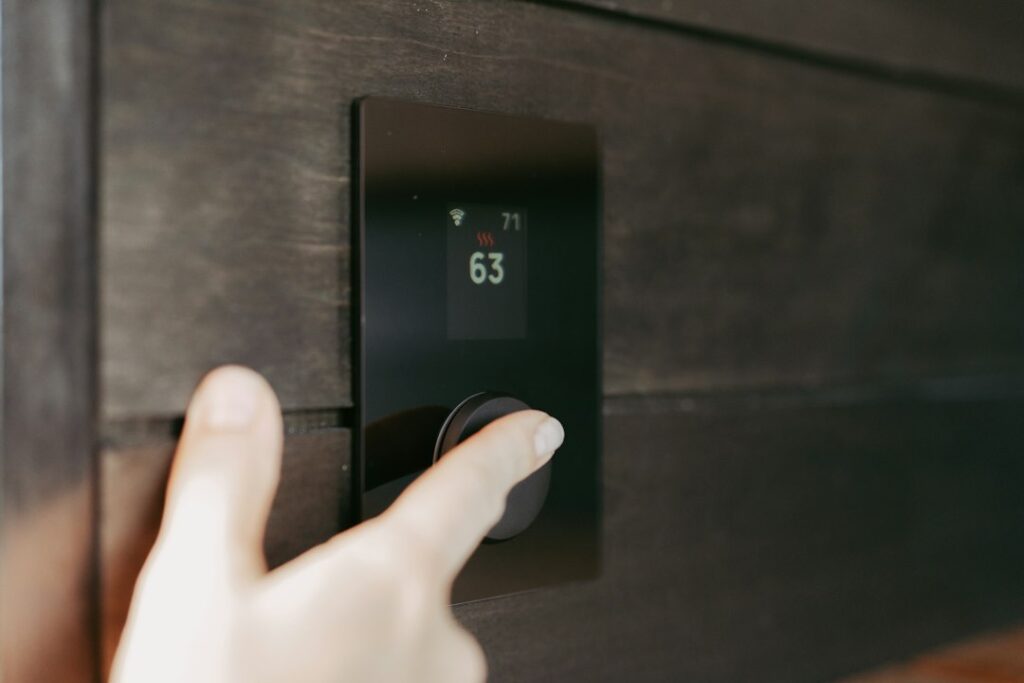
An HVAC zoning system divides your home into separate zones, each equipped with its own thermostat. Dampers in the ductwork open or close to control airflow to these zones. This means you can heat or cool only the areas you are using, rather than wasting energy on unoccupied spaces.
- Thermostats: Each zone has its own thermostat to set and control the temperature independently.
- Dampers: These are installed in the ductwork to direct airflow only to desired zones.
Benefits of Zoning Systems
By tailoring the climate control to each zone, you can enjoy multiple benefits:
- Energy Savings: Reduce your energy bills by not overheating or overcooling unused rooms.
- Enhanced Comfort: Maintain different temperatures in distinct areas based on personal preferences.
- Reduced Wear and Tear: Less strain on your HVAC system as it doesn’t work as hard to maintain a uniform temperature throughout the entire house.
Cost Considerations
The cost of installing a zoning system can vary widely based on the size of your home, the number of zones, and complexity of the existing ductwork. While upfront costs can be significant, savings on energy bills over time often justify the initial investment. It’s crucial to get quotes from multiple HVAC contractors to compare prices and services.
Properly installed zoning systems can reduce energy consumption by up to 30%, making them a wise long-term investment for many homeowners.
Who Can Benefit the Most?
Homes with large open spaces, multiple floors, or areas that are not frequently used can benefit significantly from zoning. For example, if you have a large basement or an attic you only use occasionally, zoning can prevent you from spending money on heating or cooling these areas unnecessarily.
Installation and Maintenance
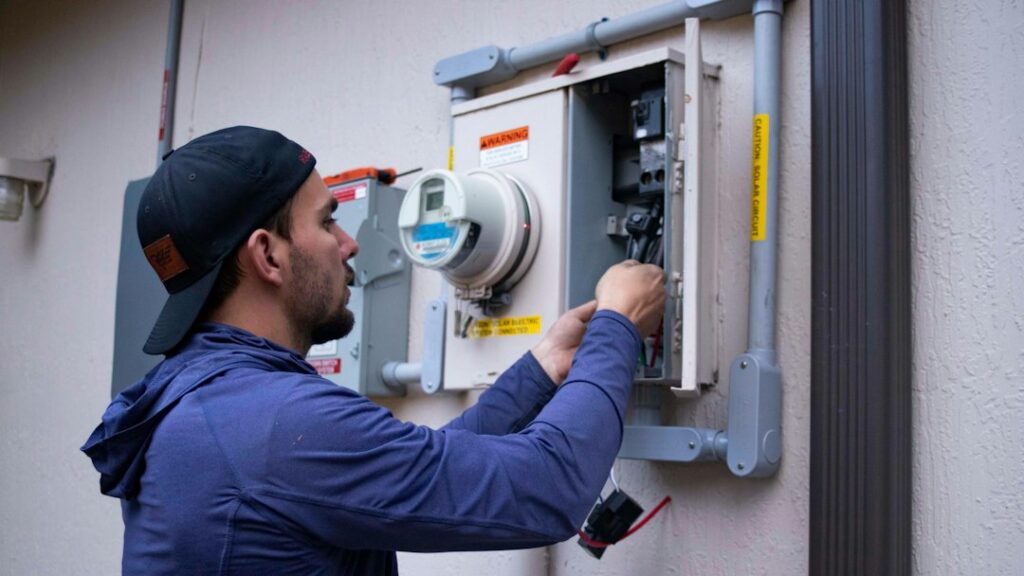
Installation of a zoning system should always be done by a professional. It’s a complex process that requires knowledge of your home’s ductwork and electrical systems. Regular maintenance is also essential to ensure dampers and thermostats function correctly and efficiently.
Finding the Right Contractor
To ensure your zoning system is installed correctly, seek out experienced HVAC professionals. You can find local experts in cities like Calgary or Toronto through directories like ours.
Maximizing Energy Efficiency
To get the most out of your zoning system, consider integrating smart thermostats. These devices allow you to program and control temperatures remotely, further optimizing energy use. Additionally, ensure your home is well-insulated to prevent heat loss, which can undermine the efficiency of a zoning system.
Taking the Next Steps
Before installing a zoning system, assess your home’s layout and your family’s lifestyle needs. Talk to a qualified contractor who can evaluate your current HVAC setup and recommend an optimal zoning strategy. With the right system in place, you can enjoy both cost savings and enhanced comfort.