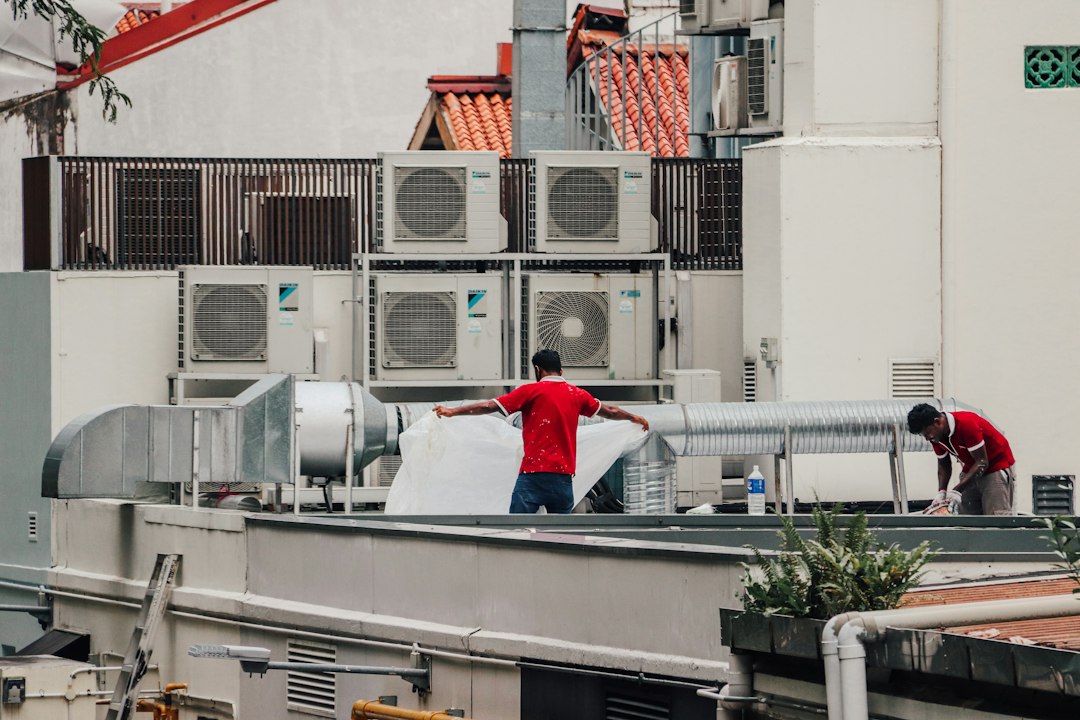
When adding to your home, choosing an HVAC system involves assessing your current setup’s capacity, the new space’s heating and cooling needs, and your budget. Consider whether your existing system can handle the extra load or if a new, separate unit is needed.
Evaluate Your Current HVAC System
The first step in selecting an HVAC system for a home addition is evaluating what you already have. Determine if your current system can support the new space.
- Check the capacity of your existing furnace or air conditioner. Can it handle more square footage?
- Consult an HVAC professional to assess whether extending ductwork is feasible.
- If your current system is old or inefficient, upgrading might be more cost-effective in the long run.
Consider the Size and Layout of the Addition
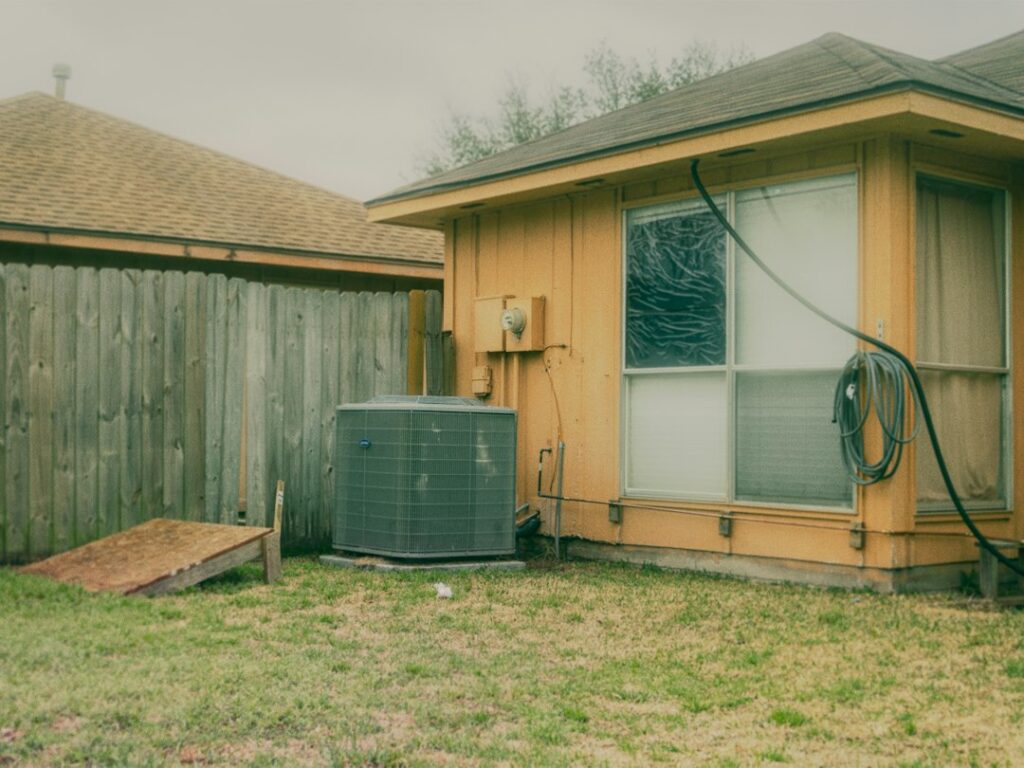
The size and layout of your home addition will significantly impact your HVAC choices. Larger spaces may require more powerful systems.
- Measure the square footage of the new area to calculate heating and cooling needs.
- Consider the addition’s layout — open floor plans may need different solutions than segmented rooms.
- Factor in insulation quality and window placements, as these affect energy efficiency.
Choose Between a Separate System or an Upgrade
Decide whether to extend your current system or install a new, separate one. Each option has its pros and cons.
- Extending the current system may be cheaper upfront but could strain older equipment.
- A separate system, like a ductless mini-split, offers targeted control but might be pricier.
If your existing HVAC system is nearing the end of its lifespan, replacing it could be more efficient than extending it.
Explore Energy Efficient Options
Energy efficiency should be a priority when selecting HVAC systems for a home addition. Efficient systems save money over time.
- Look for ENERGY STAR certified systems, which meet higher efficiency standards.
- Consider heat pumps for moderate climates as they offer both heating and cooling.
- Ask about potential rebates or tax credits for installing energy-efficient systems.
Plan for HVAC Zoning
HVAC zoning can be particularly beneficial in home additions, offering better temperature control over different areas.
- Zoning systems allow for different temperature settings in various parts of your home.
- Consider zoning if your addition will be frequently used or has different heating/cooling needs.
For local expertise, look into our contractor directory for HVAC professionals near you who can help with your project.
Budget and Professional Consultation
Budget is always a key factor. Get multiple quotes and consider the long-term savings of efficient systems.
- Contact several contractors to compare installation costs.
- Consider the cost of potential upgrades versus new installations.
- Consult professionals for an accurate assessment; check Ottawa HVAC contractors if you’re in that area.
Expanding your home is a great opportunity to improve your HVAC setup. Ensure you consider both current and future needs to select a system that provides comfort and efficiency.