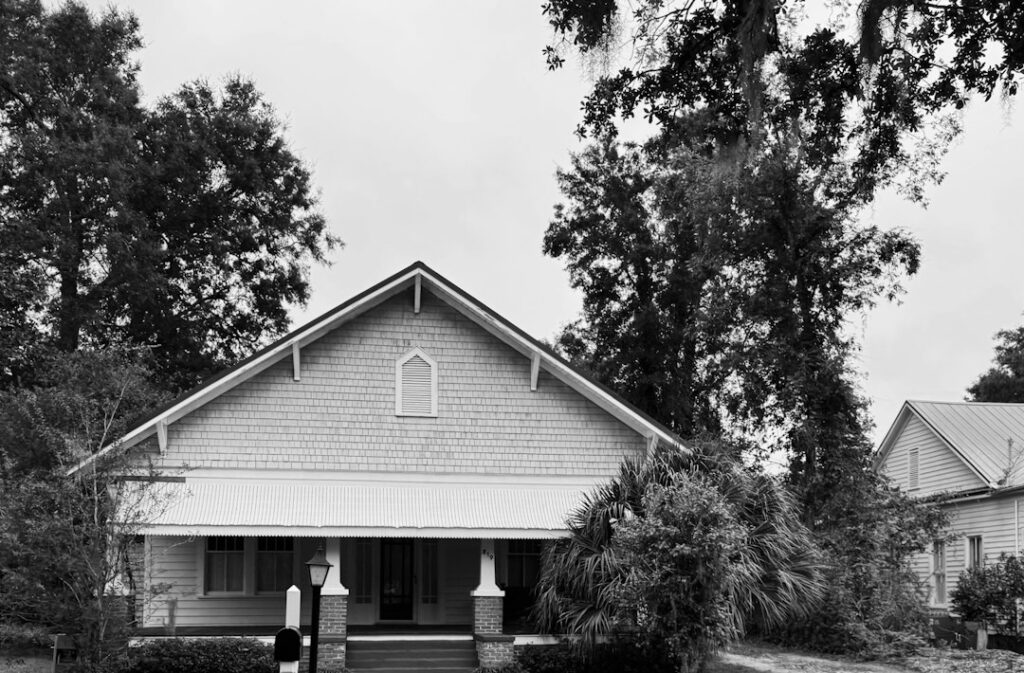
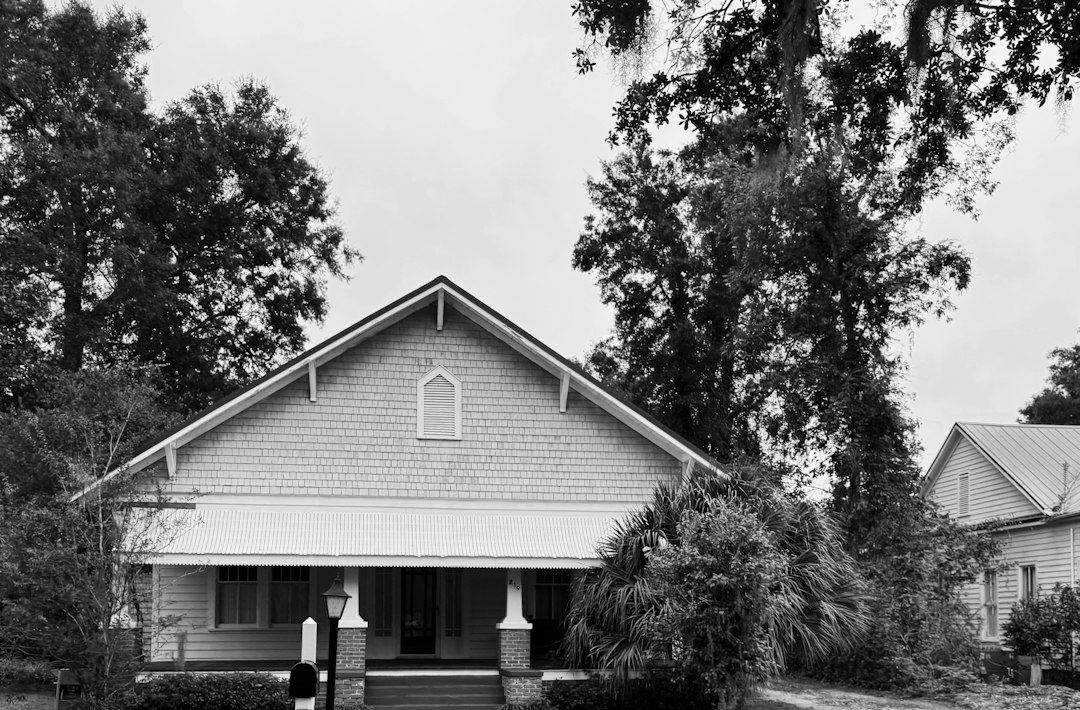
Installing an HVAC system in a historic home involves unique challenges but is entirely possible with careful planning. The main difficulty lies in modernizing the heating and cooling systems while preserving the home’s architectural integrity. Solutions often include using specialized equipment and techniques to minimize disturbance to the original structure.
Understanding the Challenges
Historic homes often come with unique architectural features and materials that can complicate HVAC installations. These homes may have narrow walls, limited space for ductwork, and preservation rules to follow. Additionally, the existing electrical systems might not support newer HVAC units without upgrades.
Choosing the Right System
One of the first steps is selecting an HVAC system that suits the specific needs of a historic home. Options like high-velocity HVAC systems or ductless mini-splits can be less invasive. These systems allow for efficient heating and cooling without requiring extensive renovations.
High-Velocity Systems
High-velocity systems use small ducts that can fit into tight spaces, making them ideal for older homes. They circulate air quickly and efficiently, maintaining comfort without major structural changes.
Ductless Mini-Splits
Ductless systems offer flexibility and are easier to install, as they do not require ductwork. They are well-suited for homes where preserving the original structure is a priority.
Working with Professionals
Hiring a contractor experienced in historic homes is crucial. They can navigate the challenges and suggest the best solutions. Consider finding a local contractor with expertise in your area, such as those in Toronto or Montreal.
“The key to a successful HVAC installation in a historic home is balancing modern comfort with the preservation of historical features.”
Considering Energy Efficiency
While historic homes can be charming, they are often less energy-efficient than modern homes. Installing an energy-efficient HVAC system can reduce operating costs and improve comfort levels. Look for systems with a high SEER rating and consider smart thermostats for better control.
Preservation Guidelines
Many historic homes are subject to preservation guidelines that dictate what changes can be made. It’s crucial to consult with local heritage conservation authorities before starting any HVAC project. They can provide guidance and ensure compliance with regulations.
Practical Tips for Homeowners
Before beginning an HVAC installation, assess your home’s current systems and identify which areas need the most attention. Develop a plan that prioritizes both modern comfort and historical preservation. Working closely with a knowledgeable contractor will ensure a smooth process and satisfactory results.