A dual-zone HVAC system allows you to control temperatures in different areas of your home independently, leading to improved comfort and potential energy savings. Setting it up involves adjusting your current system to create two distinct zones, each with its own thermostat.
Understanding Dual-Zone HVAC Systems
A dual-zone HVAC system divides your home into separate areas, each with its own thermostat. This setup lets you heat or cool specific parts of your home as needed, which can optimize comfort and reduce energy consumption.
Commonly, dual-zone systems are used in larger homes where temperature needs might vary between floors or rooms.
Benefits of Dual-Zone HVAC Systems
One primary benefit of a dual-zone system is enhanced comfort. You can maintain different temperatures in separate areas, catering to individual preferences or specific needs.
Energy efficiency is another advantage, as you can avoid heating or cooling unoccupied spaces, potentially lowering your utility bills.
Dual-zone HVAC systems offer personalized comfort and can lead to energy savings by targeting heating and cooling where it’s needed most.
Components Needed for Installation
Setting up a dual-zone system requires specific components:
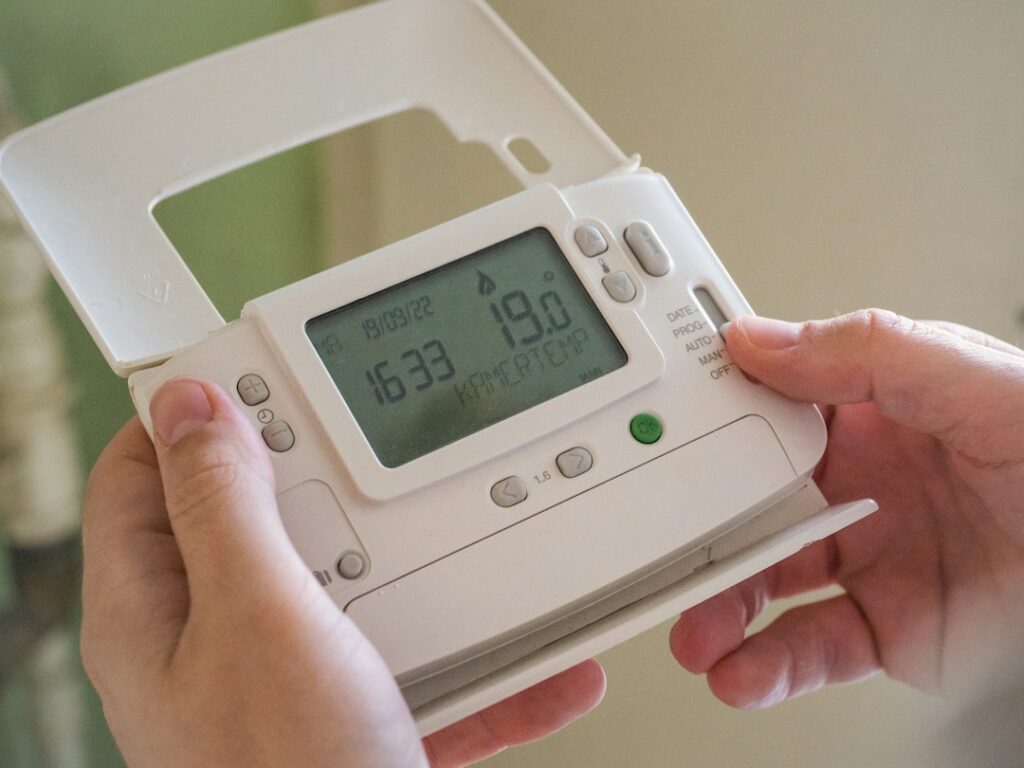
- Thermostats: You’ll need a thermostat for each zone to control the temperature independently.
- Zone Control Panel: This is the heart of the system, managing the operation of the dampers and receiving signals from the thermostats.
- Zone Dampers: These are installed in the ductwork and control airflow to each zone.
Installation Process
Installing a dual-zone system typically involves modifying your existing HVAC system. Here are the basic steps:
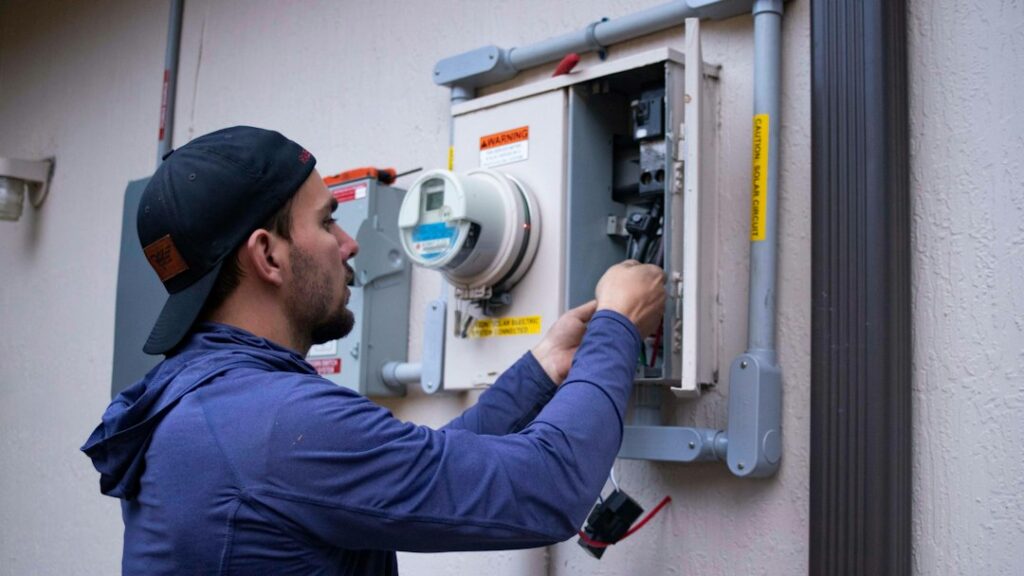
- Consult a Professional: Always start with an HVAC professional to evaluate your current system and design an effective zoning strategy. Check local listings, like those for Toronto, to find a contractor near you.
- Install Zone Dampers: These are placed in the ductwork to control airflow to different areas.
- Set Up Thermostats: Install a thermostat in each zone for individual control.
- Configure the Zone Control Panel: This panel receives inputs from thermostats and manages the dampers accordingly.
Potential Challenges
While dual-zone systems can enhance comfort, they come with challenges. Installation can be complex and may require ductwork modifications, which can be costly and time-consuming.
Additionally, not all homes are suitable for zoning, so a professional assessment is crucial.
Maintaining Your Dual-Zone System
Regular maintenance is vital for any HVAC system, including dual-zone setups. Schedule periodic checks with a professional to ensure the system operates efficiently.
Simple tasks like changing filters regularly and keeping vents clear can also prolong the life of your system.
For those in specific areas, check with local Calgary contractors for maintenance services.
Final Thoughts
If you’re looking to improve home comfort and potentially save on energy, a dual-zone HVAC system might be a worthwhile investment. Consult with a professional to assess feasibility and begin enjoying a more tailored climate in your home.
Frequently asked questions
Can I install a dual-zone HVAC system myself?
It's recommended to hire a professional for installing a dual-zone HVAC system. They can ensure the setup is efficient and safe, as it involves complex modifications to ductwork and electrical components.
How much does it cost to set up a dual-zone HVAC system?
The cost of setting up a dual-zone HVAC system varies widely depending on factors like home size and existing system infrastructure. Consult with a local HVAC contractor for a detailed estimate.
Is a dual-zone HVAC system worth the investment?
For many, dual-zone systems are worth the investment in terms of comfort and potential energy savings. They allow for more precise temperature control in different areas of your home.
What types of homes benefit most from dual-zone HVAC systems?
Larger homes or those with multiple levels often benefit most from dual-zone HVAC systems due to varying temperature needs across different areas.
How do I know if my home is suitable for a dual-zone HVAC system?
A professional HVAC contractor can assess your home and determine if it's suitable for a dual-zone system. They will consider factors like existing ductwork and the layout of your home.