
Pros of Split AC Systems
- Efficient Cooling – Provides powerful and consistent cooling, even in larger rooms.
- Quiet Operation – The compressor is located outside, reducing indoor noise.
- Energy Efficient – Many models feature inverter technology, which adjusts cooling power based on room temperature, saving energy.
- No Ductwork Required – Unlike central AC, split systems don’t need extensive duct installation, making them ideal for older homes or renovations.
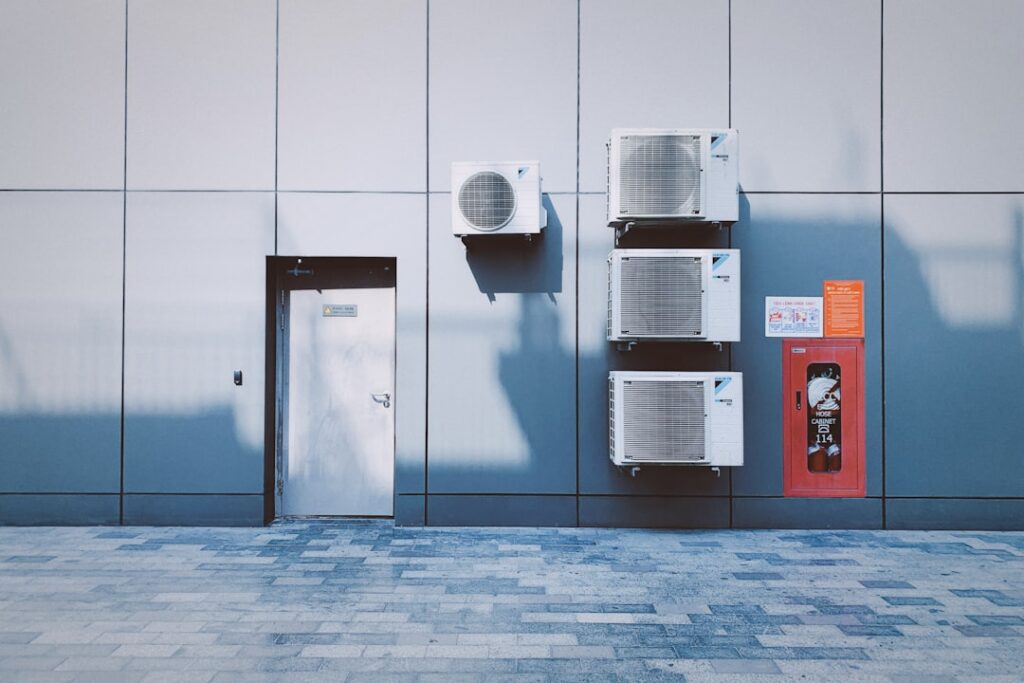
- Zoned Cooling – You can install multiple units for personalized temperature control in different rooms.
- Aesthetic and Space-Saving – The sleek indoor unit blends well with modern interiors and takes up minimal space.
- Better Air Quality – Many models include built-in air filters that reduce dust, allergens, and bacteria.
Cons of Split AC Systems
- Higher Upfront Cost – More expensive than window AC units in terms of purchase and installation.
- Installation Complexity – Requires professional installation, including drilling holes for refrigerant lines.
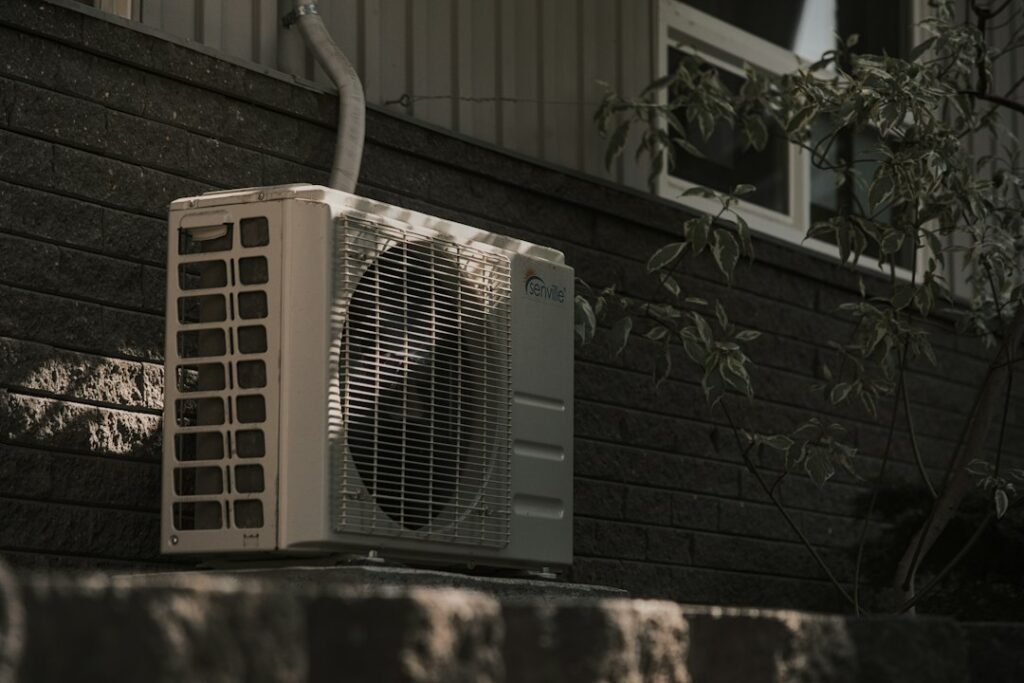
- Outdoor Unit Placement – Needs sufficient space outside for the compressor, which may be challenging in apartments.
- Not Ideal for Large Homes – A single unit may not be enough for an entire house, requiring multiple installations.
- Maintenance Required – Filters, coils, and refrigerant levels need periodic cleaning and servicing.
Conclusion
Split AC systems are an excellent choice for energy-efficient, quiet, and customizable cooling, especially for individual rooms. However, they come with a higher initial investment and require installation space for the outdoor unit.