
To choose a heat pump for cold climates, focus on models with high efficiency and low-temperature performance. Look for heat pumps specifically designed for cold weather, as they are engineered to provide reliable heating even as temperatures drop.
Understanding Heat Pump Types
Heat pumps come in various types, but for cold climates, an air-source heat pump with enhanced cold-weather features is usually recommended. These units are designed to extract heat from the air even at sub-zero temperatures.
Cold Climate Performance
Look for a unit with a high Heating Seasonal Performance Factor (HSPF) and a coefficient of performance (COP) that remains efficient at lower temperatures. Manufacturers often provide details on how their units perform at different temperatures, so check these ratings carefully.
Inverter Technology
An inverter-driven heat pump can adjust its output to match the heating needs of your home, leading to greater efficiency and comfort. In cold climates, this technology helps maintain steady indoor temperatures without the energy spikes of traditional systems.
Sizing Your Heat Pump
Proper sizing is crucial for any heat pump, but especially in cold climates. An undersized unit will struggle to maintain comfort during the coldest months, while an oversized unit can lead to inefficiency and increased wear. Consult a professional to ensure you choose the right size for your home.
- Perform a home energy audit
- Consider your home’s insulation and air sealing
- Consult with a local contractor for accurate sizing
Defrost Features
In cold climates, frost can build up on the outdoor unit. Look for heat pumps with automatic defrost cycles to maintain efficiency and prevent damage. This feature helps the unit run smoothly in winter conditions.
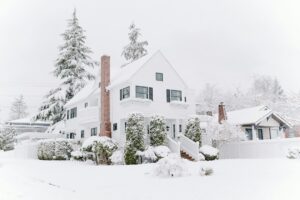
Choose a heat pump with high efficiency ratings and cold-weather capabilities to ensure comfort during harsh Canadian winters.
Finding a Reliable Installer
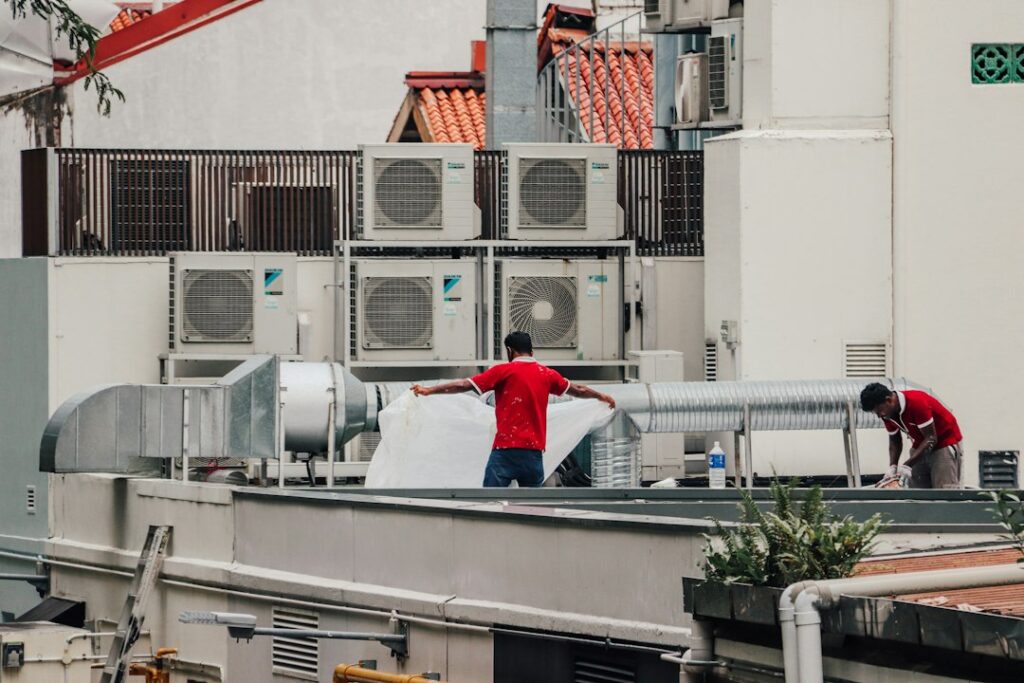
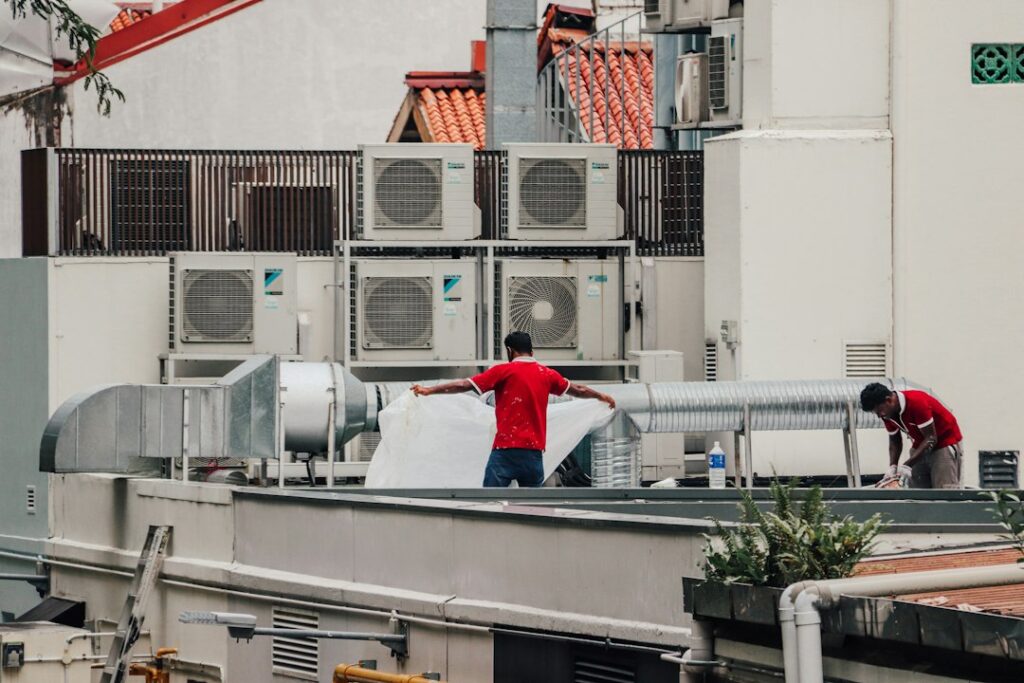
Installation quality is as important as the heat pump itself. Work with experienced contractors who understand the specific demands of cold climates. For finding a trusted professional, consider using our contractor directory to locate experts in your area.
Budget and Rebates
While heat pumps designed for cold climates can be an investment, they often qualify for rebates and incentives. Check for local and provincial programs that can help offset the initial cost.
Visit contractors in Ottawa for further assistance in your area.
Practical Next Steps
Now that you know what to look for, start by assessing your current heating needs and exploring available models. Consult with a professional to fine-tune your choice, and don’t forget to inquire about possible rebates to maximize your budget.
Frequently asked questions
What is the best type of heat pump for cold climates?
Air-source heat pumps with enhanced cold-weather features are often recommended for cold climates. They are designed to work efficiently even in sub-zero temperatures.
How do I know if a heat pump is efficient in cold weather?
Check the Heating Seasonal Performance Factor (HSPF) and the coefficient of performance (COP) ratings. These indicate the efficiency of the heat pump in different temperature conditions.
Can a heat pump replace my furnace in a cold climate?
In many cases, yes. However, it depends on the severity of the winters in your area. Consult with a local contractor to ensure a heat pump can meet your heating demands.
What is the role of inverter technology in heat pumps?
Inverter technology allows the heat pump to adjust its output to match the heating needs of your home, improving efficiency and maintaining consistent indoor temperatures.
Are there rebates available for heat pump installations?
Yes, many provinces offer rebates and incentives for installing energy-efficient heat pumps. It's best to check local and provincial programs for available options.