If you’re stepping out for a few hours or even the whole day, turning off your AC can save energy, but it may lead to increased wear and tear in some cases. Consider your system’s age, local climate, and how long you’ll be gone to make the best choice.
Understanding Energy Savings
Turning off your AC when you’re not home can significantly reduce your energy consumption. This can lead to lower electricity bills, especially during the hot summer months. The savings are more noticeable if you regularly leave the house for extended periods.
- Short absences: If you’re out for just a few hours, turning off the AC might not result in significant savings.
- Long absences: For longer periods, the savings become more meaningful, especially if no one is home to feel the discomfort of a warm house.
Impact on System Wear and Tear
Turning the AC off and then back on can cause additional stress on the system. Frequent cycling can wear out components faster, potentially leading to more frequent repairs.
- Older systems: Older units may struggle more with frequent on-off cycles, which can lead to breakdowns.
- Newer systems: Modern ACs are designed to handle frequent cycling better, which might lessen concerns about wear and tear.
Climate Considerations
Your local climate plays a big role in this decision. In regions with extreme heat, allowing your home to heat up too much can make it harder for your AC to cool it down again later.
- Hot climates: In extremely hot areas, it might be better to raise the thermostat instead of turning the AC off completely.
- Mild climates: If the outside temperature is moderate, turning the AC off can be more feasible without much discomfort.
Using Programmable Thermostats
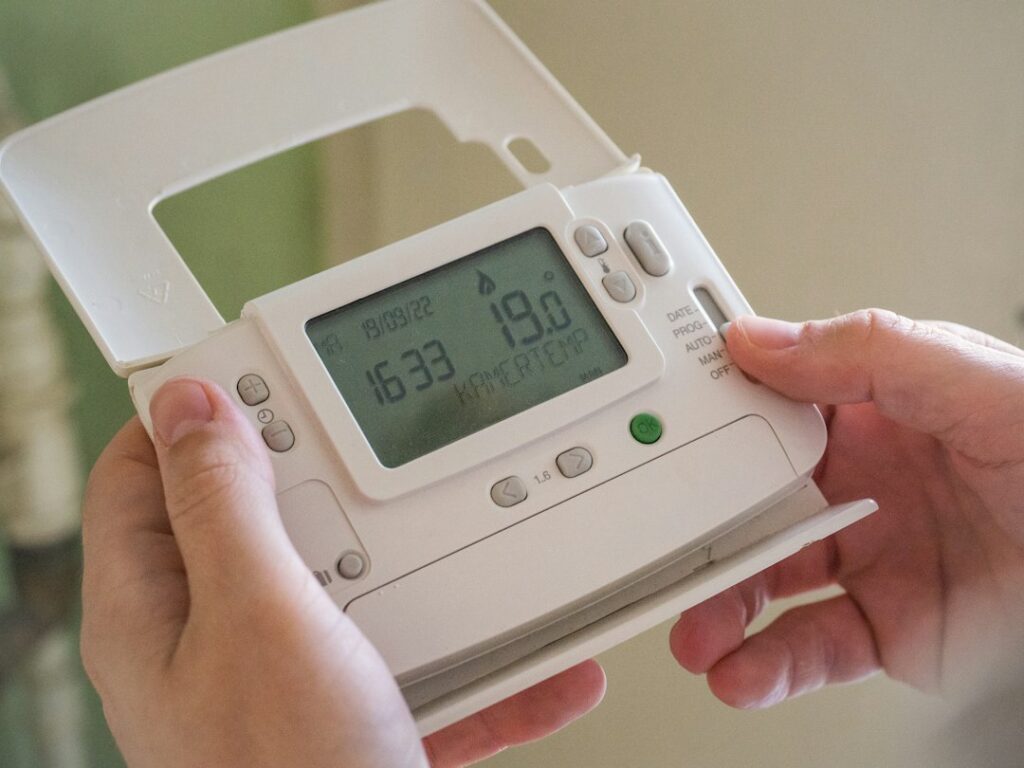
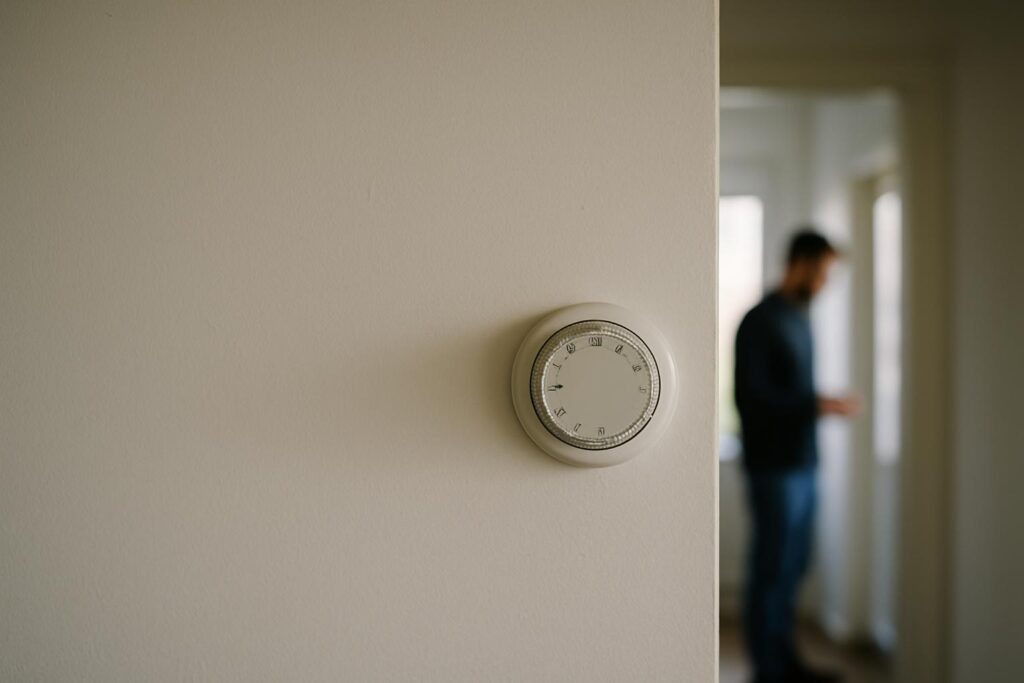
A programmable or smart thermostat can be a game-changer. These allow you to set temperatures based on your schedule, optimizing both comfort and energy use.
- Set schedules: Program the thermostat to raise the temperature when you’re out and cool the house before you return.
- Remote control: Many smart thermostats can be controlled via smartphone, giving you flexibility even if plans change.
Evaluating Your Situation
Consider your specific circumstances. Are you often away during peak heat hours, or do you live in a region with mild summers? These factors will influence whether it’s better to turn off the AC or simply adjust the thermostat.
Every home and situation is different; balance energy savings with potential increased wear on your system.
Practical Tips
If you’re unsure, consult with a professional. A local HVAC contractor can provide advice tailored to your specific system and climate. They can also help with maintenance to ensure your system runs efficiently.