If your home feels colder than it should, or if your energy bills are climbing, your furnace might not be heating efficiently. Recognizing the signs of inefficiency can help you address the problem sooner, improving both comfort and costs.
Rising Energy Bills
One of the first indicators of an inefficient furnace is a noticeable increase in energy bills. If your bills are rising but your usage hasn’t changed, your furnace may be working harder than necessary.
- Check your energy statements for unusual spikes.
- Consider your energy provider’s seasonal rate changes.
- Schedule a professional inspection to identify issues.
Uneven Heating
Cold spots in your home suggest your furnace isn’t distributing heat evenly. This could be due to:
- Blocked vents: Ensure furniture or curtains aren’t obstructing airflow.
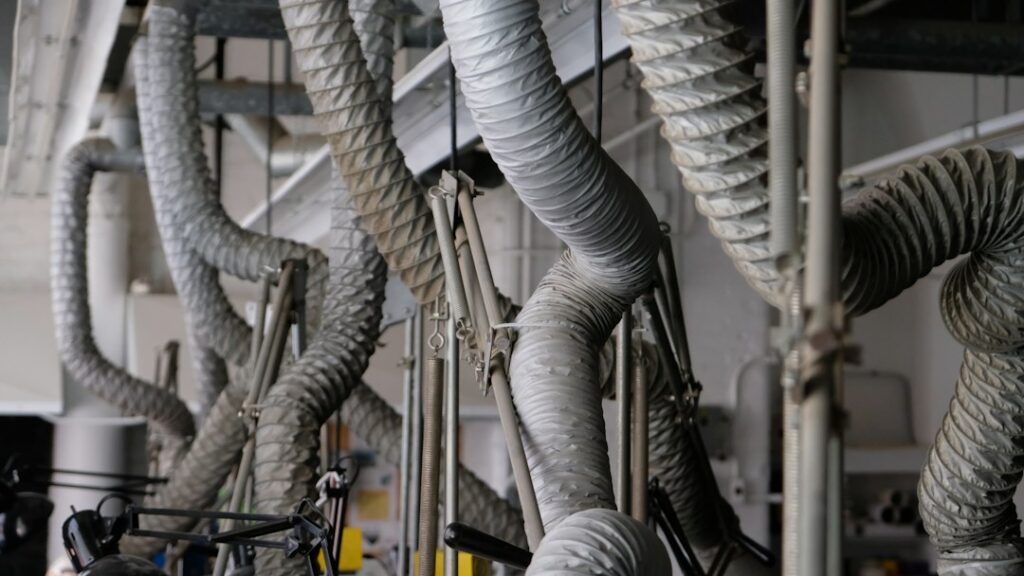
- Leaky ducts: Inspect ductwork for visible damage or gaps.
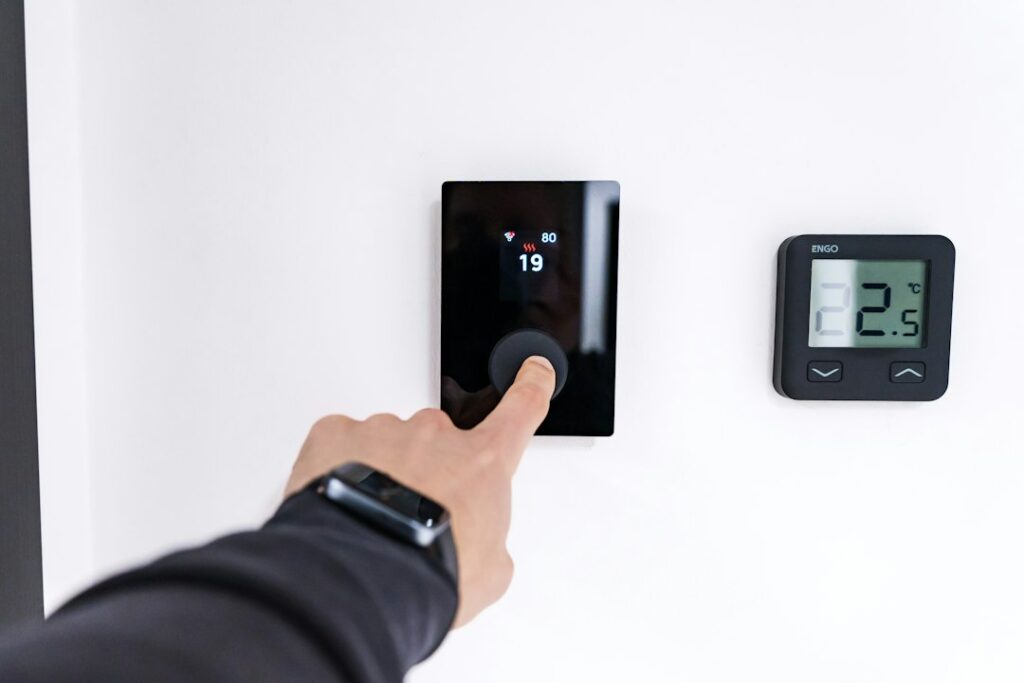
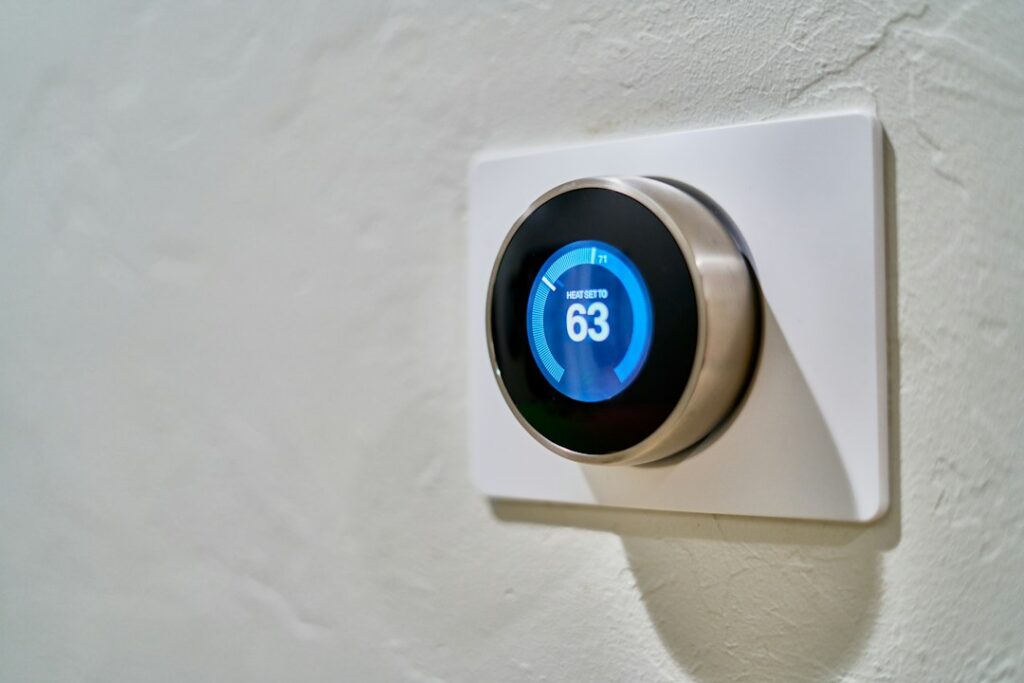
- Thermostat issues: Verify it’s working correctly and positioned centrally.
Frequent Cycling
If your furnace turns on and off frequently, it’s not running efficiently. This ‘short cycling’ can stem from:
- Overheating: Caused by restricted airflow or a dirty filter.
- Improper size: A unit too large or small for your home leads to inefficiency.
- Thermostat problems: Ensure it’s calibrated and placed correctly.
Unusual Noises
Strange sounds from your furnace often indicate mechanical issues. Listen for:
- Banging or clanking: Possible loose or broken components.
- Whistling: Airflow issues, possibly from a clogged filter.
- Rumbling: Burner or duct problems.
“Regular maintenance and timely inspections can prevent most furnace efficiency problems.”
Persistent Dust
A buildup of dust in your home could signal poor filtration or circulation issues. Check:
- The condition of your air filter. Replace it if it’s dirty.
- Your ductwork for accumulated dust and debris.
- The cleanliness of your furnace interior.
Practical Steps to Improve Efficiency
Addressing furnace inefficiency doesn’t always mean a major overhaul. Start with these steps:
- Replace air filters every 1-3 months, especially in winter.
- Seal and insulate ductwork to prevent heat loss.
- Schedule regular maintenance with a trusted HVAC contractor.
For homeowners in Toronto or Calgary, local professionals can provide tailored advice and service.
Making the Right Choice
If your furnace shows multiple inefficiency signs, consider consulting a professional. They can assess whether repairs will suffice or if replacement is necessary. Don’t wait until a complete breakdown; proactive measures save you time and money.