For most Canadian homes, setting your thermostat to 20-22°C during the day and lowering it to 16-18°C at night balances comfort with energy efficiency. Adjusting these settings by a degree or two can lead to noticeable savings without compromising warmth.
Understanding Canadian Winters
Canada’s winter climate can vary significantly, from milder conditions in British Columbia to frigid temperatures in the Prairies. This diversity means that the ideal thermostat setting can depend on your specific region. However, the general guidelines for indoor comfort remain consistent across the country.

Daytime Settings
During the day, when people are active at home, a thermostat setting of 20-22°C is typically comfortable. This range helps ensure that your living space remains warm without excessive energy use. If your home is empty during the day, consider lowering the temperature by a few degrees to save energy.
Nighttime Adjustments
Lowering the thermostat at night to 16-18°C can improve sleep quality and reduce heating costs. Most people sleep better in cooler environments, and this small adjustment can lead to energy savings. Ensure your bedding is warm enough to compensate for the cooler air.
Using Programmable Thermostats
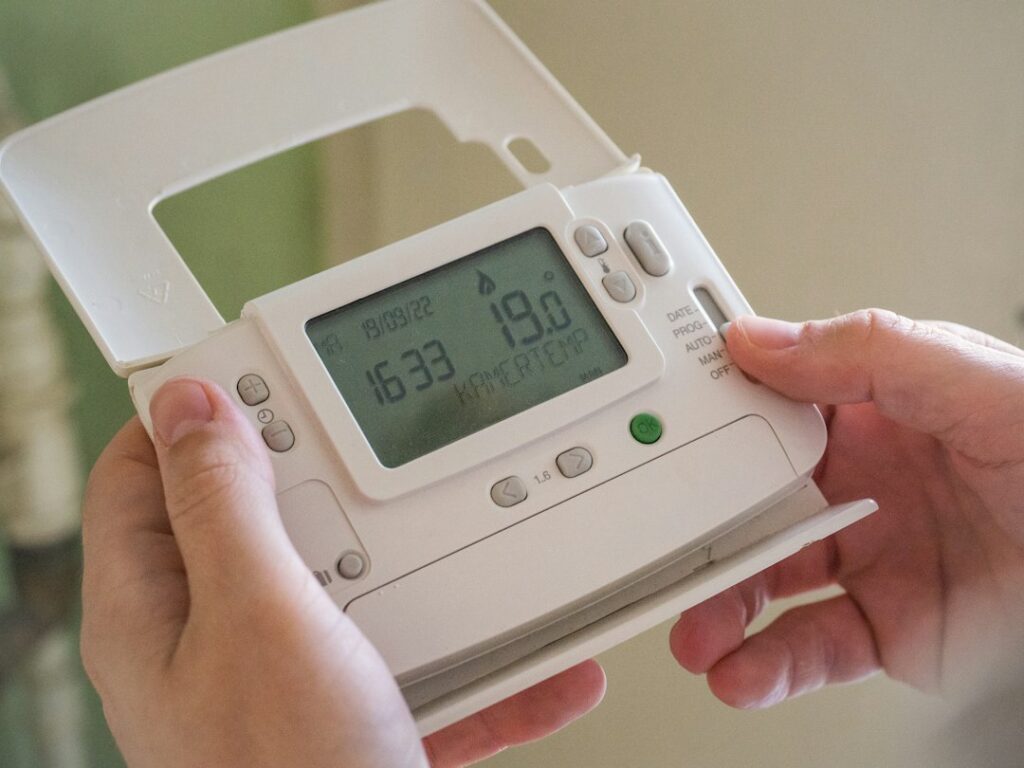
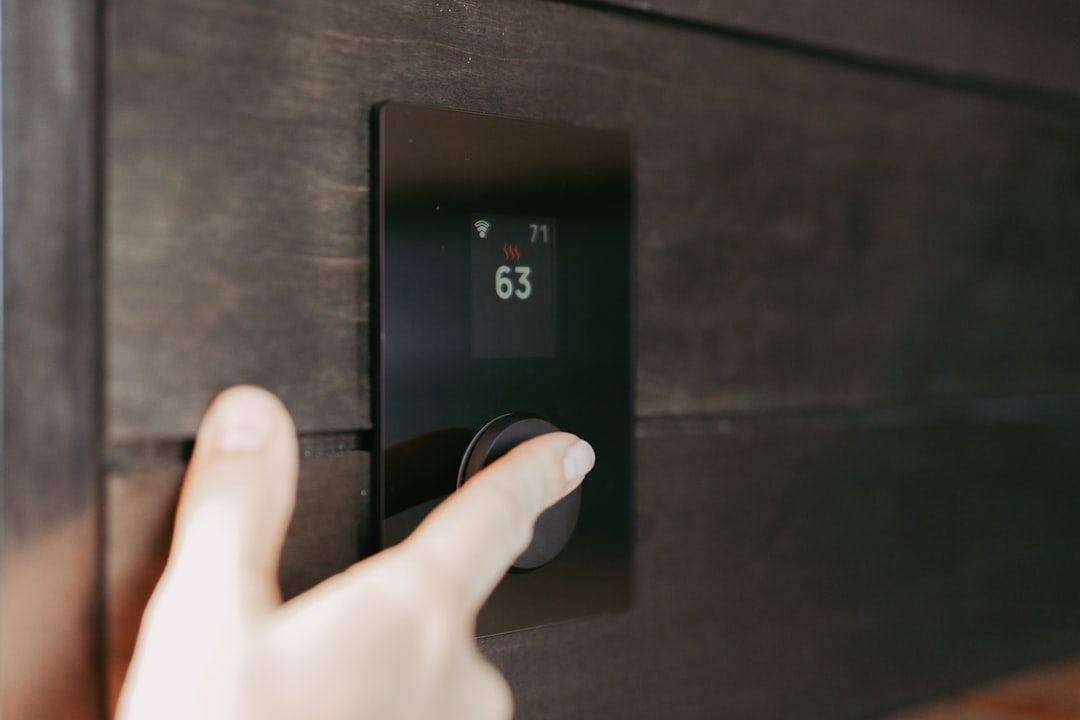
Programmable thermostats can help automate temperature adjustments, aligning with your daily schedule. By setting different temperatures for when you’re home, away, or asleep, you can enhance both comfort and energy efficiency. Consider upgrading if your thermostat doesn’t offer these features.
Find local HVAC contractors to install or upgrade your system, ensuring it’s calibrated for optimal performance.
Regional Considerations
In colder areas like Calgary or Edmonton, you might need slightly higher settings to maintain comfort. Conversely, in milder regions, you can often lower the thermostat without discomfort. Always consider local climate and insulation levels in your home.
Consult with Calgary contractors or Edmonton contractors for tailored advice based on your specific circumstances.
Energy Savings Tips
Beyond adjusting your thermostat, there are other ways to save energy in winter. Ensure your home is well-insulated and seal any drafts around windows and doors. Regular maintenance of your heating system can also improve efficiency and reduce costs.
Lowering your thermostat by just one degree can reduce your heating bill by up to 5%.
By combining these strategies, you can achieve a warm home that doesn’t break the bank.
Practical Tips for Comfort
Dress in layers and use cozy blankets for added warmth. Utilize sunlight by opening curtains during the day to naturally heat your home, and close them at night to retain warmth. These small adjustments can make a big difference in comfort and energy use.
Frequently asked questions
What is the best thermostat setting when I am not home?
Lowering your thermostat to around 16°C when you're not home can help save energy. This setting reduces heating costs while ensuring the house doesn't get too cold.
How does humidity affect thermostat settings?
Humidity levels can impact how warm or cool a room feels. In winter, a humidity level of 30-40% can enhance comfort without needing to increase the thermostat.
Should I turn off my heating at night to save energy?
It's generally more efficient to lower the thermostat at night rather than turning off the heating completely. This approach maintains a baseline temperature, preventing the system from working harder to reheat the home in the morning.
Is a smart thermostat worth the investment?
A smart thermostat can offer significant energy savings by optimizing heating schedules and providing remote control. These features can make them a worthwhile investment in the long run.