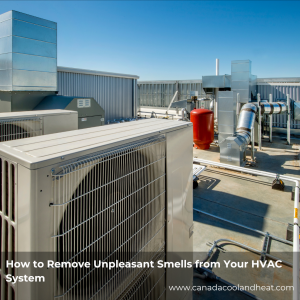
To prevent HVAC-related allergies in spring, it’s essential to maintain your system and ensure it’s not circulating dust, pollen, or mold. Regularly changing filters, cleaning ducts, and using high-efficiency filtration can significantly reduce allergens.
Regularly Change HVAC Filters
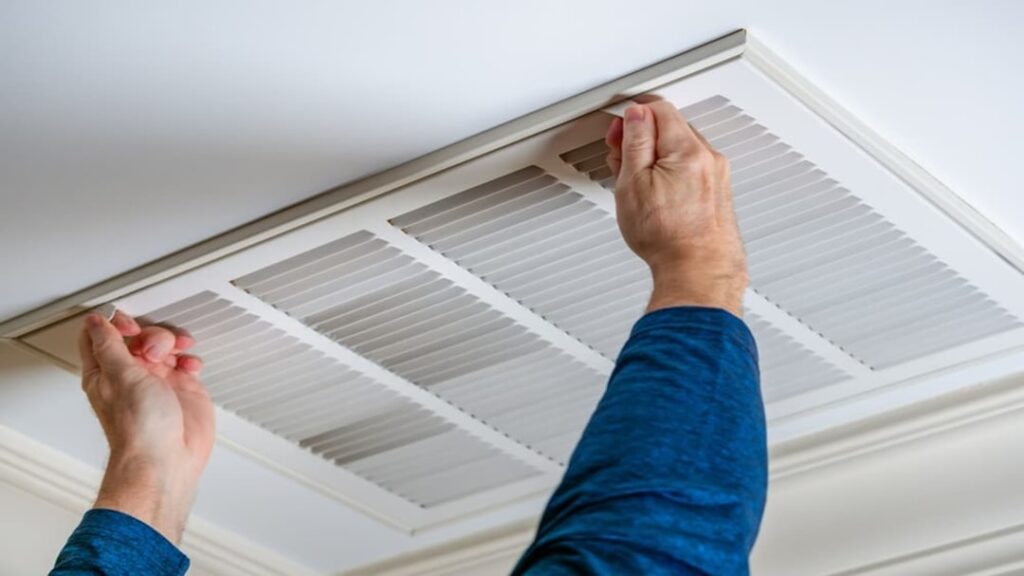
Your HVAC filter is your first line of defense against allergens. Changing it regularly is crucial, especially during spring when pollen levels rise. Opt for high-efficiency particulate air (HEPA) filters, which can trap smaller particles that standard filters might miss.
Schedule Professional HVAC Maintenance
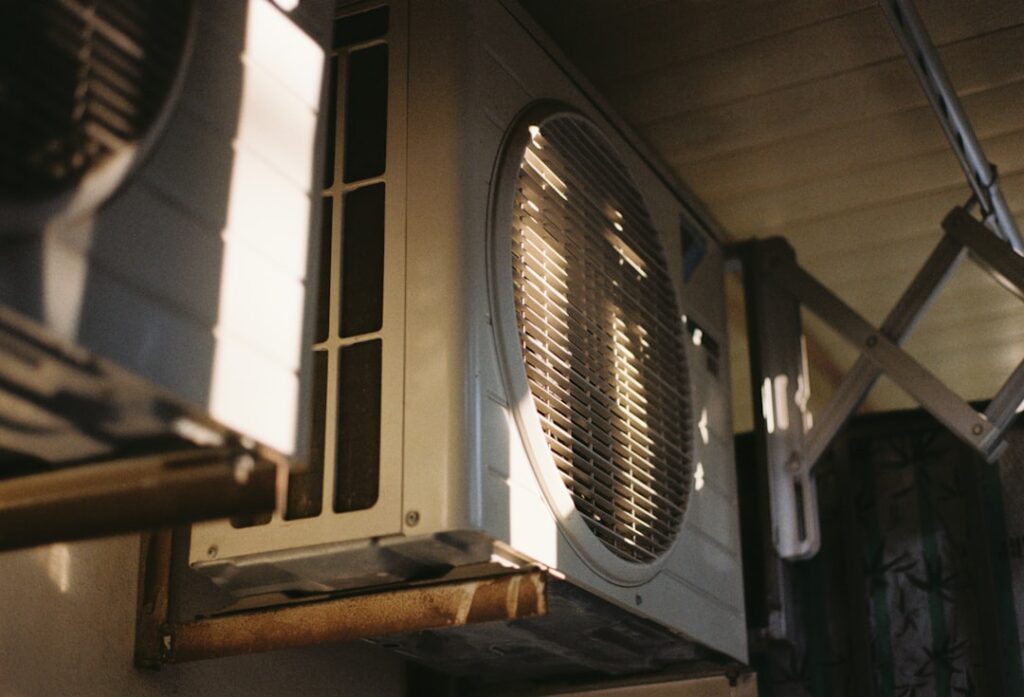
Having a professional inspect and clean your HVAC system can help prevent issues that contribute to allergies. Technicians can clean coils and drains, ensuring no mold or bacteria growth, and check for any leaks that might introduce allergens.
Use a Dehumidifier
Controlling humidity levels in your home can reduce mold growth, which is a common allergen. A dehumidifier can be used to keep humidity levels between 30% and 50%, reducing the likelihood of mold and dust mites.
Consider Air Duct Cleaning
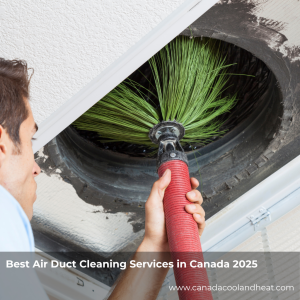
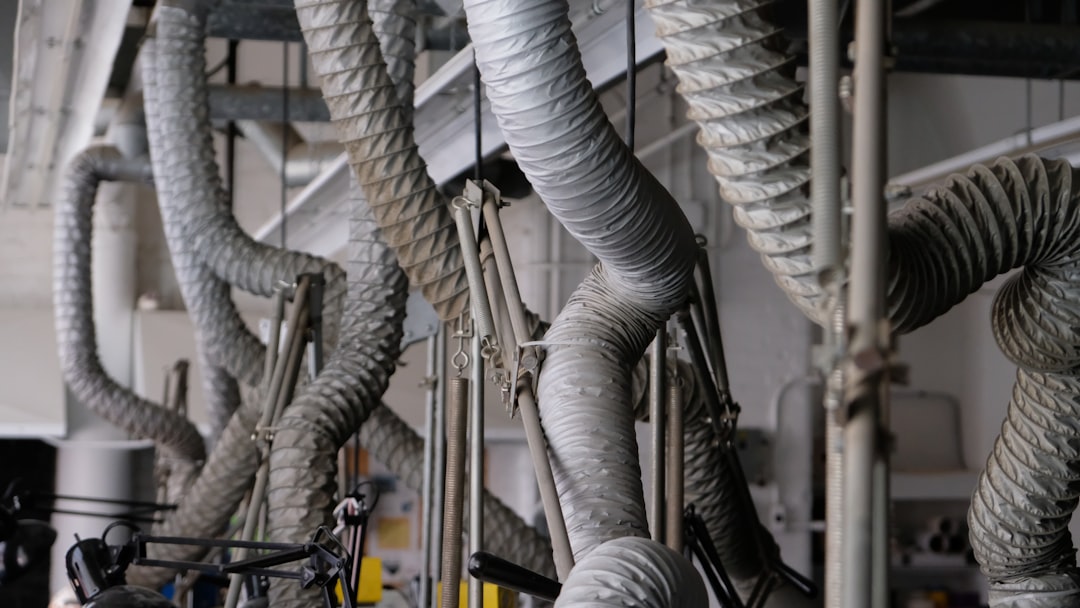
Dust and allergens can accumulate in air ducts over time. If you notice dust around vents or increased allergy symptoms, consider having your ducts cleaned by a professional. This can improve air quality and system efficiency.
Seal and Insulate Ducts
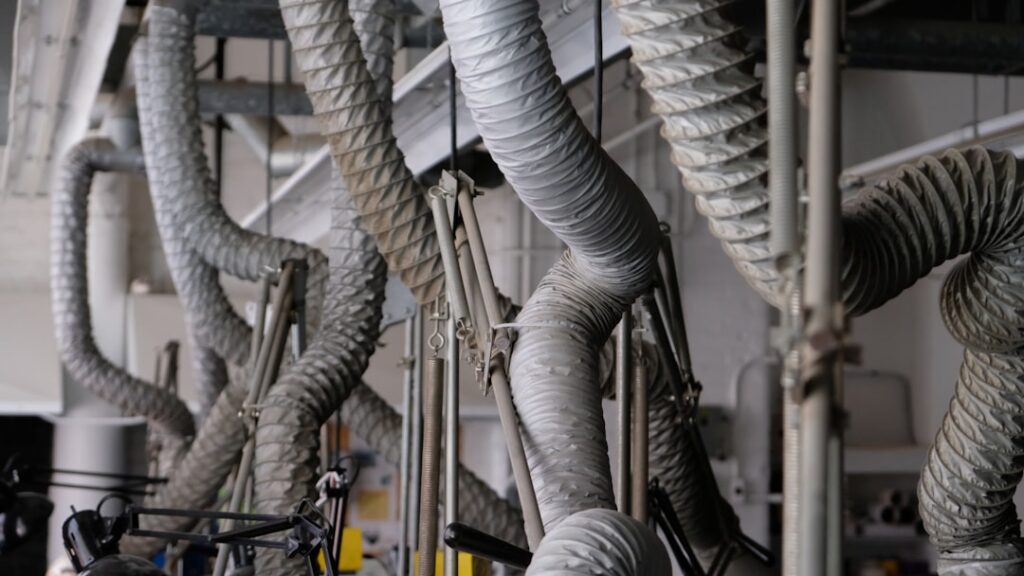
Leaky ducts can draw in allergens from areas like attics or basements. Ensure your ducts are sealed and insulated properly to prevent this. Sealed ducts also improve the energy efficiency of your HVAC system.
Monitor and Adjust Your Thermostat
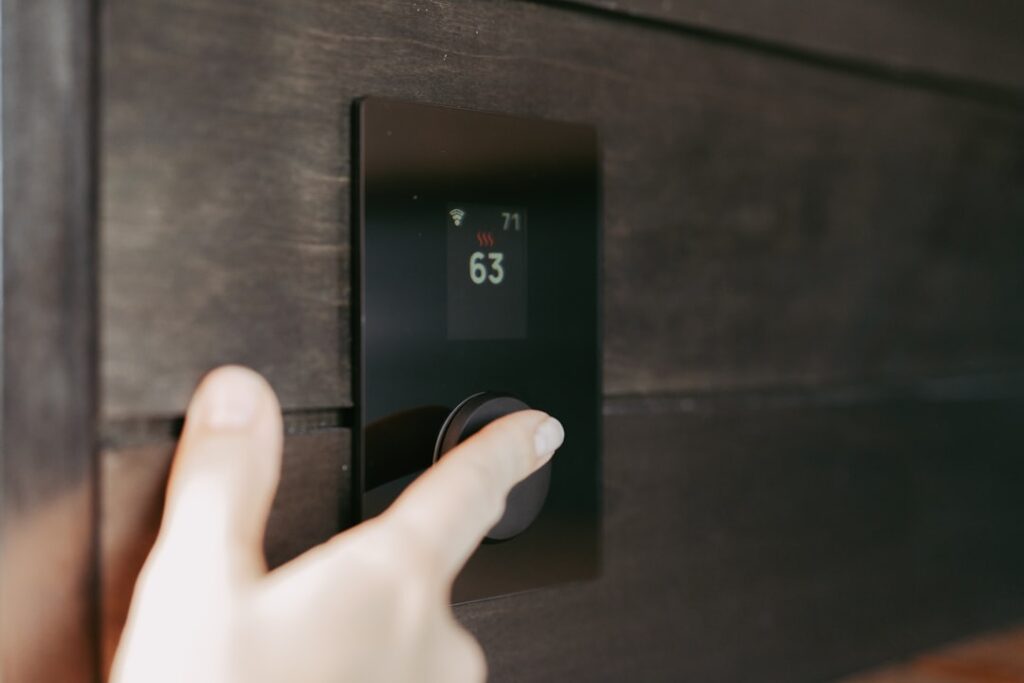
Keep your home’s temperature consistent to avoid creating ideal conditions for mold growth. Smart thermostats can help maintain an even temperature and can be programmed to optimize HVAC performance, reducing energy use and potential allergens.
“Regular filter changes and professional maintenance are key steps to keep allergens at bay in your HVAC system.”
Practical Steps to Take Now
Start by changing your HVAC filters and checking humidity levels. Schedule a maintenance appointment with a trusted professional in your area. Taking these steps now can help ensure your home remains comfortable and allergen-free as spring progresses.
For those living in major cities like Toronto or Montreal, finding a reliable HVAC contractor for maintenance and advice is straightforward with our contractor directory.