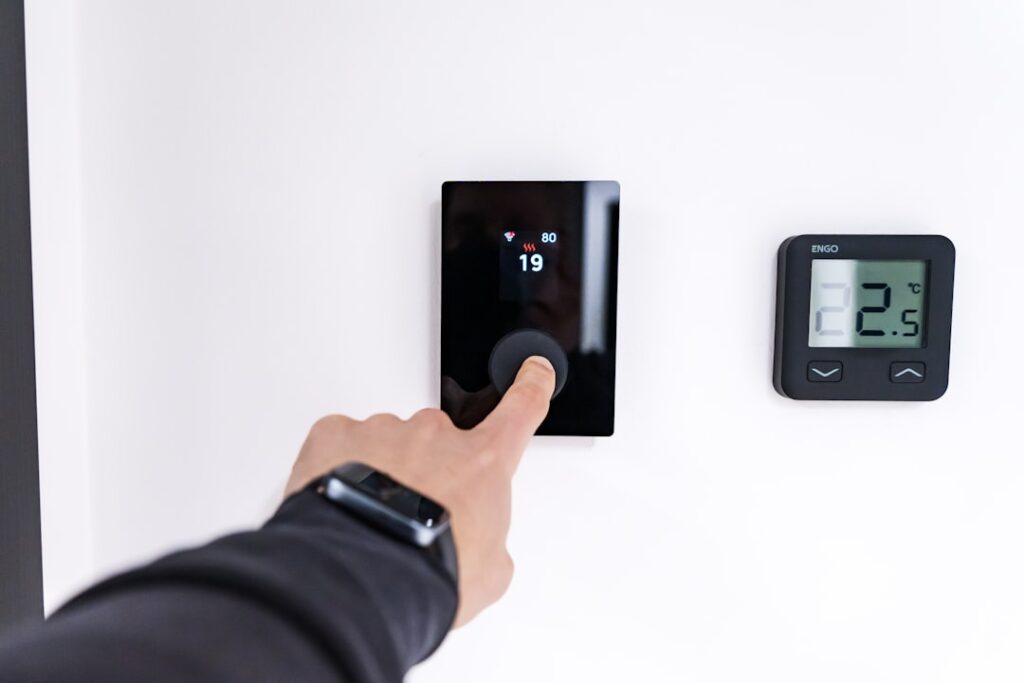

When comparing central air and ductless mini-split systems, installation costs tend to be higher for central air due to ductwork, while operating costs can vary depending on usage and efficiency. Ductless systems might cost less to install, especially in homes without existing ductwork.
Installation Costs
The cost of installing a central air system is often higher because it requires ductwork to be installed throughout the home. If your home already has ducts, the installation is simpler and less costly. However, adding ductwork can significantly increase the expense.
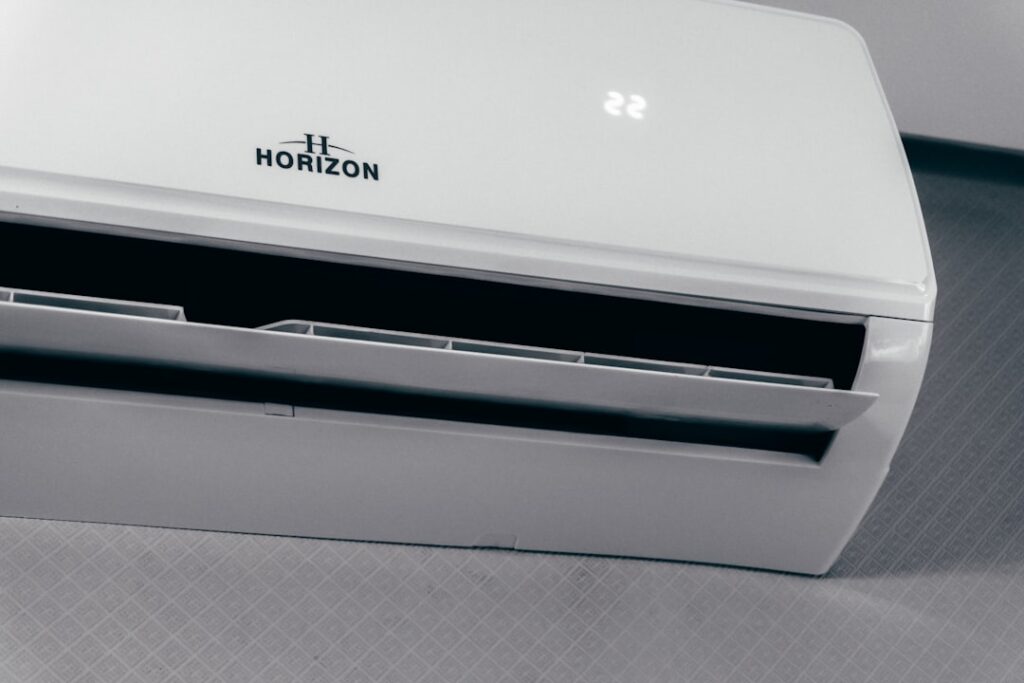
Ductless mini-split systems, on the other hand, do not require ductwork, making them a popular choice for homes without existing ducts. The installation involves mounting indoor units and connecting them to an outdoor unit, typically resulting in lower initial costs.
Operating Costs
Operating costs for central air systems depend on factors such as the size of your home, the system’s efficiency rating, and your climate. These systems generally cool the entire home, which might lead to higher energy bills.
Ductless mini-split systems offer more flexibility, as they allow for zoning. You can control temperatures in individual rooms, potentially lowering energy use and costs if you only cool occupied spaces.
Efficiency and Energy Savings
Central air systems have evolved to become more energy-efficient, with higher SEER ratings indicating better performance. However, they may cool unoccupied areas, leading to wasted energy.
Ductless mini-splits are known for their high efficiency, often surpassing central systems. Because they are zone-based, they offer precise control over energy use, potentially leading to savings in energy costs.
In homes without existing ductwork, ductless mini-splits can save significantly on installation costs while offering efficient zoned cooling.
Maintenance Requirements
Both systems require regular maintenance to ensure efficient operation. Central air systems need duct cleaning and routine checks of the compressor and other components. Filters should be changed regularly.
Ductless systems require cleaning of filters and indoor units, but they generally have fewer components to maintain, which can simplify upkeep.
Choosing the Right System
The decision between central air and ductless systems often comes down to your home’s existing setup and your cooling needs. If you have ductwork in place, central air might be a straightforward choice. If not, a ductless system could be more cost-effective.
Considering energy efficiency, long-term operating costs, and installation expenses will help you make the best choice for your situation.
For more guidance or to consult with professionals, you can find contractors in various Canadian cities such as Toronto and Calgary.
Practical Considerations
Before choosing a system, evaluate your home’s layout and your budget for both installation and ongoing costs. Consider consultation with a local HVAC contractor to understand the specific requirements and recommendations for your home.
Remember that incentives and rebates for energy-efficient installations may vary by province, potentially affecting your decision.
Frequently asked questions
What is the average cost to install a ductless mini-split system?
The cost can vary widely depending on the number of indoor units and the complexity of installation. It is generally less expensive than installing ductwork for central air, but exact prices depend on your home and location.
How do energy costs compare between central air and ductless systems?
Central air systems can lead to higher energy bills as they cool the entire house, whereas ductless systems allow for targeted cooling, potentially reducing energy use. Efficiency ratings and usage patterns also affect costs.
Are there incentives for installing energy-efficient cooling systems?
Yes, incentives and rebates for energy-efficient systems vary by province. Check local programs to see if you qualify for any financial incentives.
How long does it take to install a ductless mini-split system?
Installation of a ductless mini-split system can typically be completed in a day or two, depending on the number of units and complexity of the setup. It's generally quicker than installing central air with new ductwork.
Is a ductless mini-split more efficient than central air?
Ductless mini-splits can be more efficient due to their zoned cooling capability, allowing for precise temperature control and reduced energy waste compared to cooling an entire home with central air.