Choosing between a gas and an electric furnace hinges on a few key factors: cost, efficiency, and the climate where you live. Gas furnaces typically cost more upfront but offer cheaper long-term operation. Electric furnaces are less expensive initially but can lead to higher bills over time. Consider your local energy prices and how much you use your heating system to make the best choice.
Cost Considerations
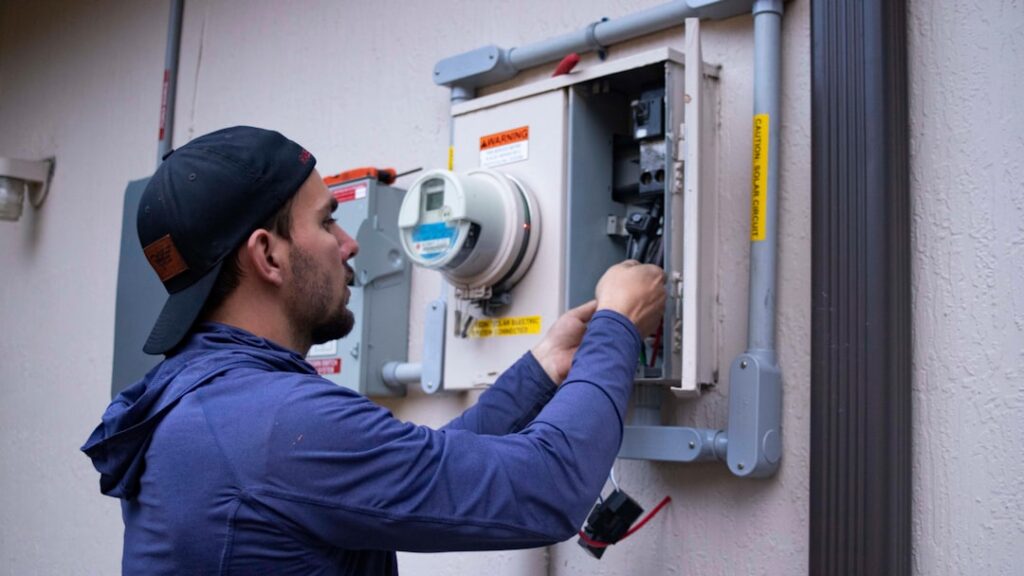
Installation costs for gas furnaces are generally higher due to the need for gas lines and venting. Electric furnaces, on the other hand, are simpler to install. However, the operational cost of a gas furnace is often lower, making it more economical in the long run, especially in colder climates.
- Gas Furnaces: Higher initial cost, lower operational cost.
- Electric Furnaces: Lower initial cost, higher operational cost.
Efficiency and Performance
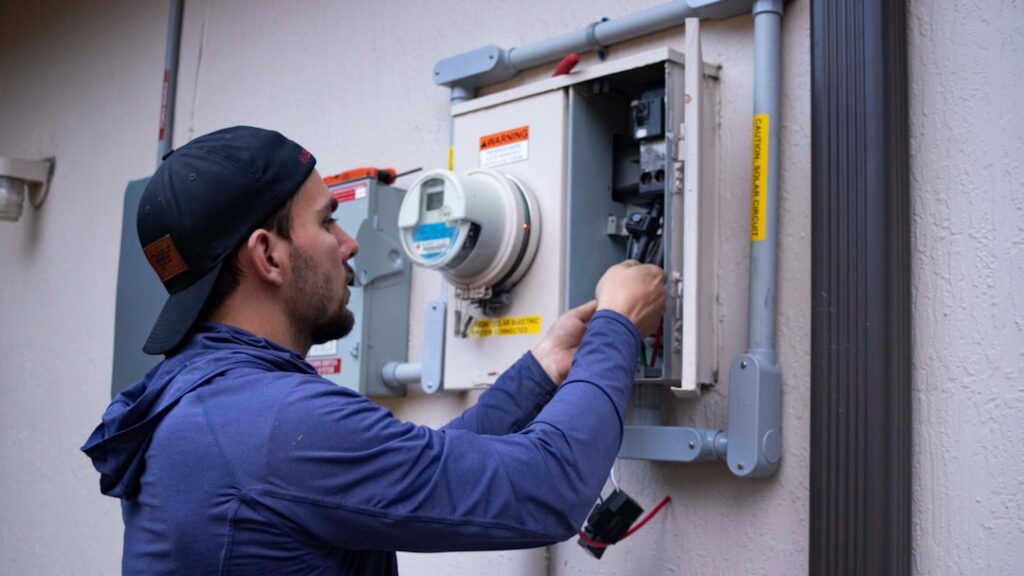
Gas furnaces are known for their ability to heat a home quickly and efficiently, especially in colder regions. Electric furnaces, while efficient in milder climates, can struggle to keep up during harsh Canadian winters, leading to higher energy consumption.
- Gas Furnaces: More efficient in cold climates.
- Electric Furnaces: Suitable for milder climates.
Environmental Impact
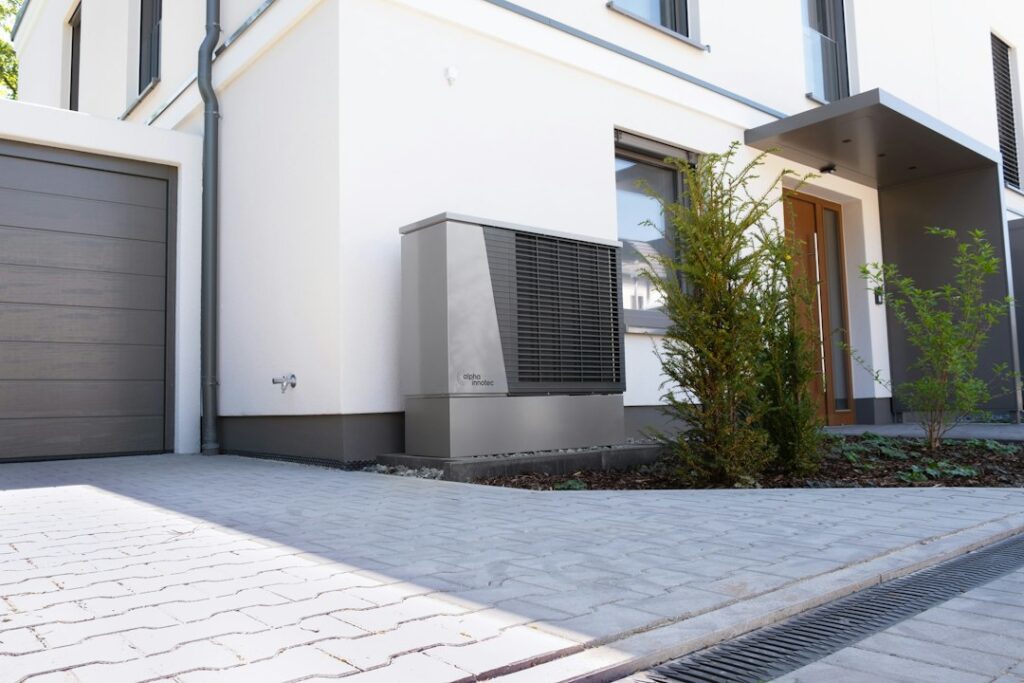
Electric furnaces produce no direct emissions, offering a cleaner energy solution if your electricity comes from renewable sources. Gas furnaces emit carbon dioxide, contributing to greenhouse gas emissions, but advances in technology have made them more efficient and less impactful than before.
- Gas Furnaces: Emits CO2, but efficiency improvements mitigate impact.
- Electric Furnaces: Emission-free if powered by renewable energy.
Longevity and Maintenance
Gas furnaces generally have a longer lifespan but require regular maintenance to ensure safe operation. Electric furnaces have fewer moving parts and often require less upkeep, but their elements can wear out faster.
- Gas Furnaces: Longer lifespan, regular maintenance needed.
- Electric Furnaces: Easier maintenance, but shorter lifespan of elements.
Safety Concerns
Gas furnaces come with risks such as gas leaks and carbon monoxide emissions, requiring proper ventilation and regular inspections. Electric furnaces don’t carry these risks, making them a safer option for some homeowners.
“Choosing the right furnace depends on balancing upfront costs with long-term savings and environmental considerations.”
Whether you opt for a gas or electric furnace, the choice should align with your budget, climate, and environmental priorities. For further assistance, consider consulting professionals in your area, such as contractors in Toronto or contractors in Calgary, to help make a well-informed decision.