Sudden temperature swings can strain HVAC systems, causing them to work harder than usual and potentially leading to more frequent breakdowns. These fluctuations affect the efficiency and lifespan of the systems, making preventative measures crucial for homeowners.
Why Temperature Swings Matter
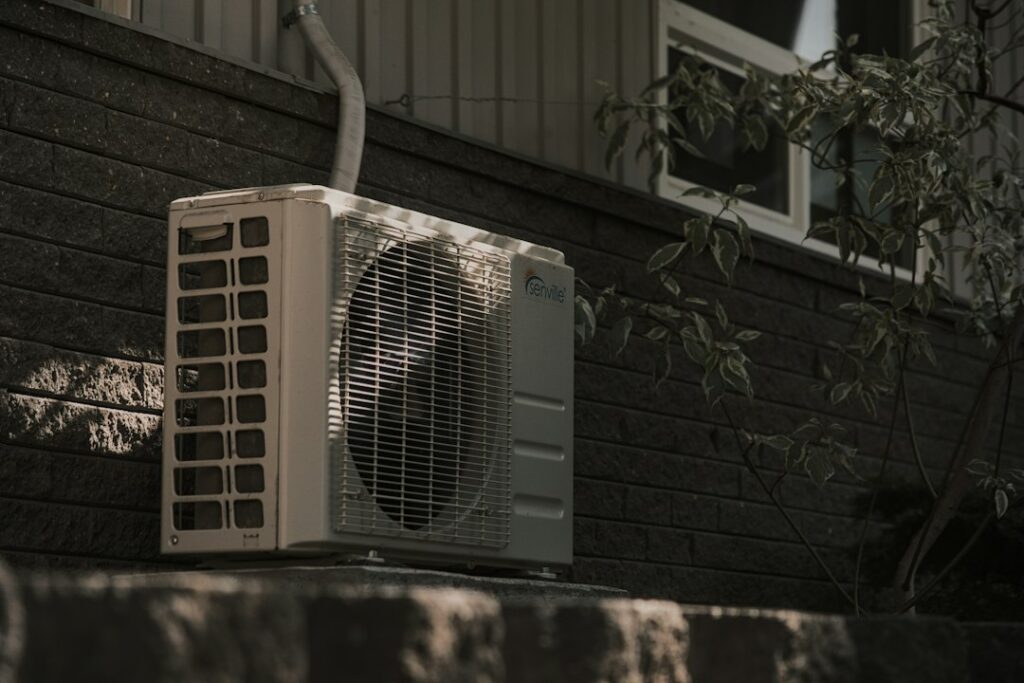
Temperature swings can cause HVAC systems to cycle on and off more frequently. This can lead to increased wear and tear on components such as compressors and fans. Over time, this can reduce the efficiency of the system and increase the likelihood of failure.
Frequent cycling due to temperature swings can lead to premature wear on your HVAC system, reducing efficiency and increasing the risk of breakdowns.
Effects on System Performance
When temperatures fluctuate rapidly, HVAC systems must adjust quickly to maintain comfort. This rapid adjustment can push the system beyond its typical operating conditions. As a result, you might notice uneven heating or cooling, increased energy bills, and even unexpected system shutdowns.
Preventative Measures
Regular Maintenance
Regular maintenance is vital. A well-maintained system can handle temperature swings more efficiently. Schedule annual check-ups with a local contractor. For example, if you’re in Alberta, you might consider contractors in Calgary for professional support.
Insulation and Sealing
Improving your home’s insulation and sealing gaps can help your HVAC system maintain a consistent temperature with less effort. This reduces the frequency of cycling and the associated wear.
Smart Thermostats
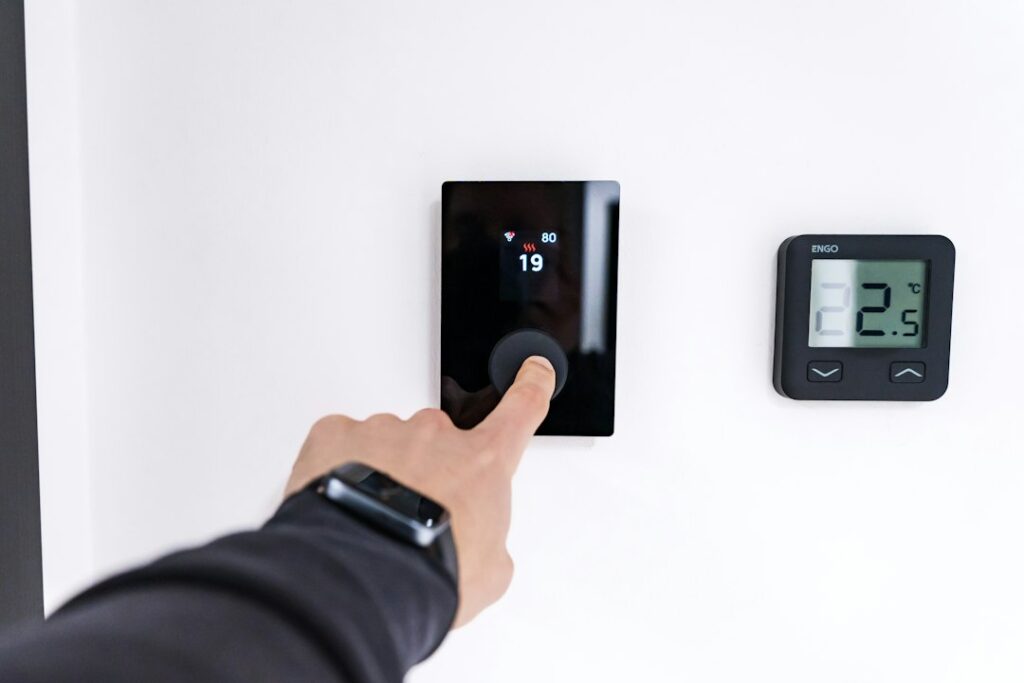
Installing a smart thermostat can help manage temperature swings more effectively. These devices can learn your schedule and adjust settings automatically, reducing the strain on your system.
Signs of Stress on Your HVAC System
Watch for signs that your system is struggling, such as unusual noises, frequent cycling, or increased energy bills. These can indicate that temperature swings are affecting performance.
When to Contact a Professional
If you notice persistent issues despite taking preventative measures, it might be time to consult a professional. They can assess whether repairs or a replacement are necessary. You can find experienced professionals through our contractor directory.
Practical Steps for Homeowners
To minimize the impact of temperature swings on your HVAC system, consider a few practical steps:
- Schedule regular maintenance.
- Upgrade to a smart thermostat.
- Improve home insulation.
- Monitor your system for signs of stress.
By being proactive, you can extend the lifespan of your HVAC system and ensure it operates efficiently, even during extreme temperature changes.