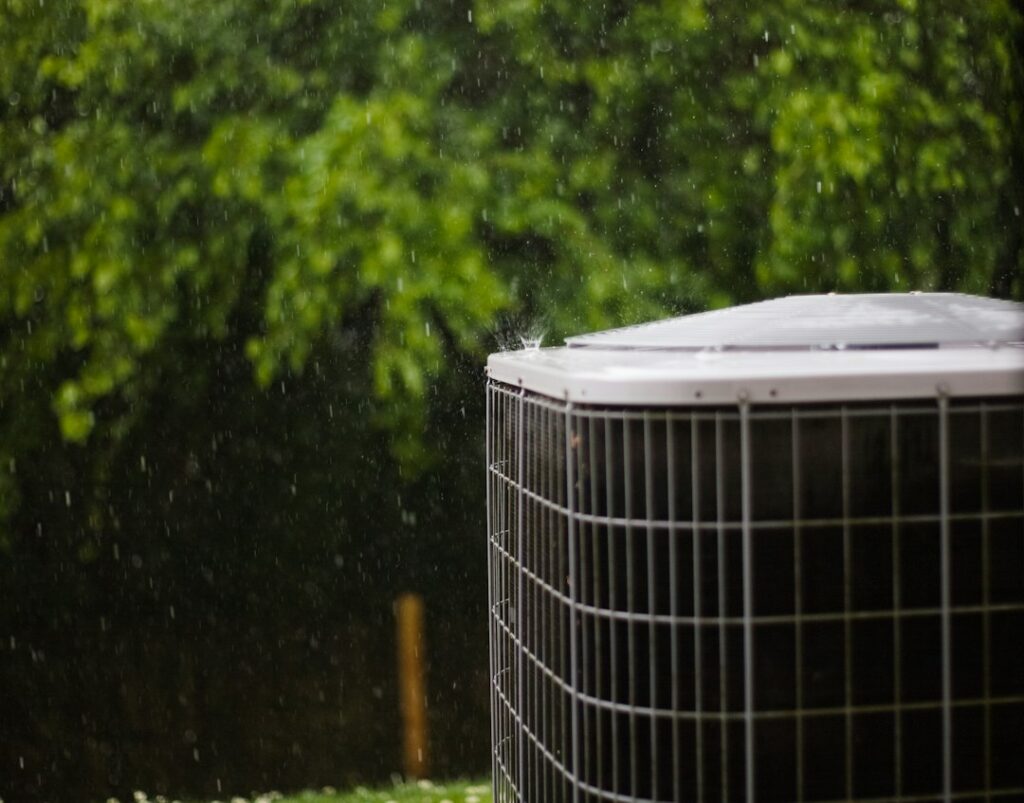
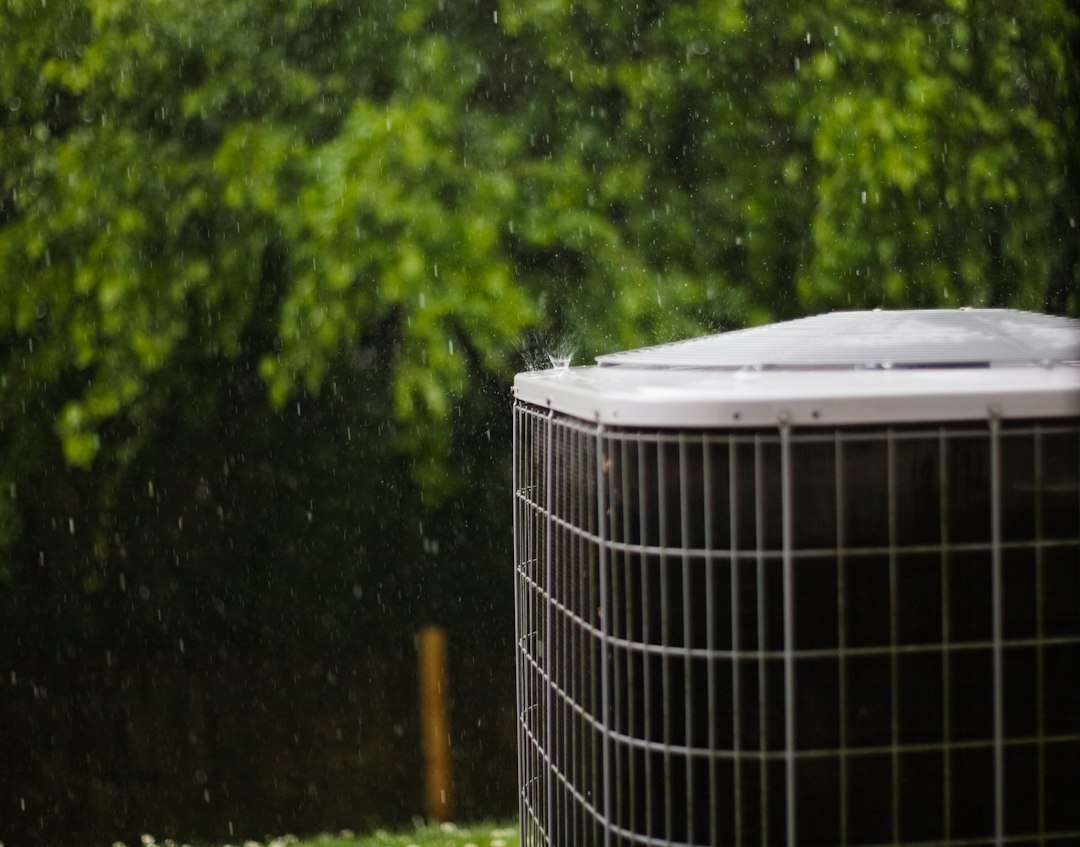
Central air conditioning can be worth the cost in Canada, especially in regions with hot summers. It offers comfort and potential energy efficiency, but the benefits vary by location and home setup. Weighing installation costs against long-term savings is crucial.
The Initial Investment
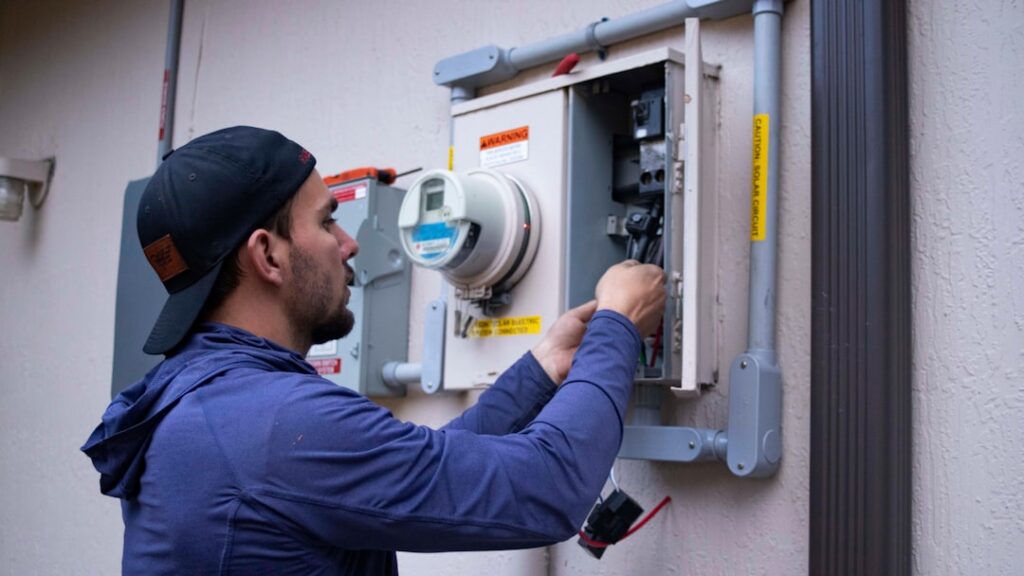
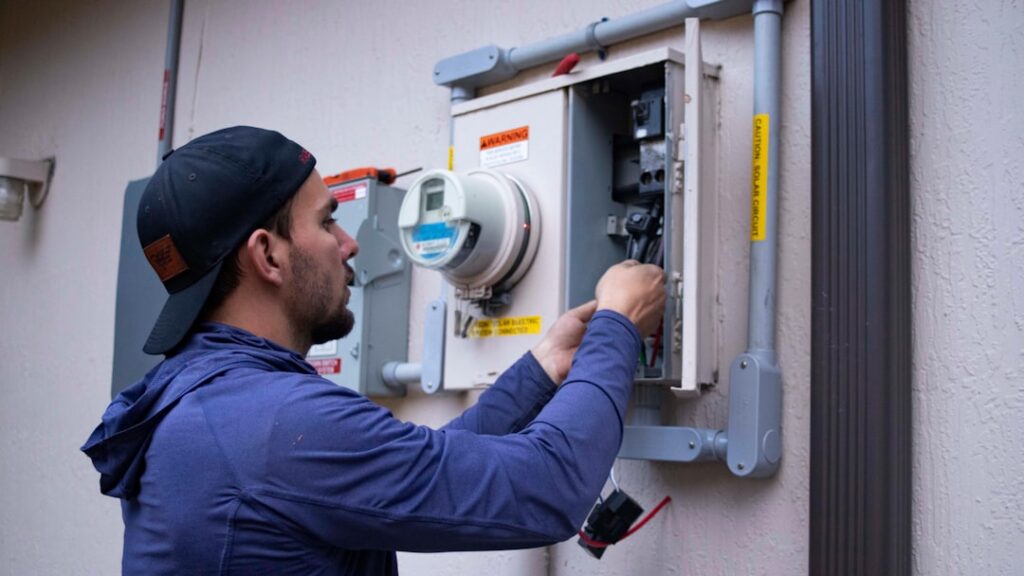
Installing central air conditioning involves a significant upfront cost. This includes the price of the unit itself and the labor required for installation. Costs can vary widely depending on the size of your home and the complexity of the installation.
Factors that influence the cost include:
- Size of the unit: Larger homes require more powerful units.
- Installation complexity: Homes without existing ductwork will incur higher installation costs.
- Regional pricing differences: Costs can vary by province and even between cities.
For specific pricing, consult local HVAC contractors.
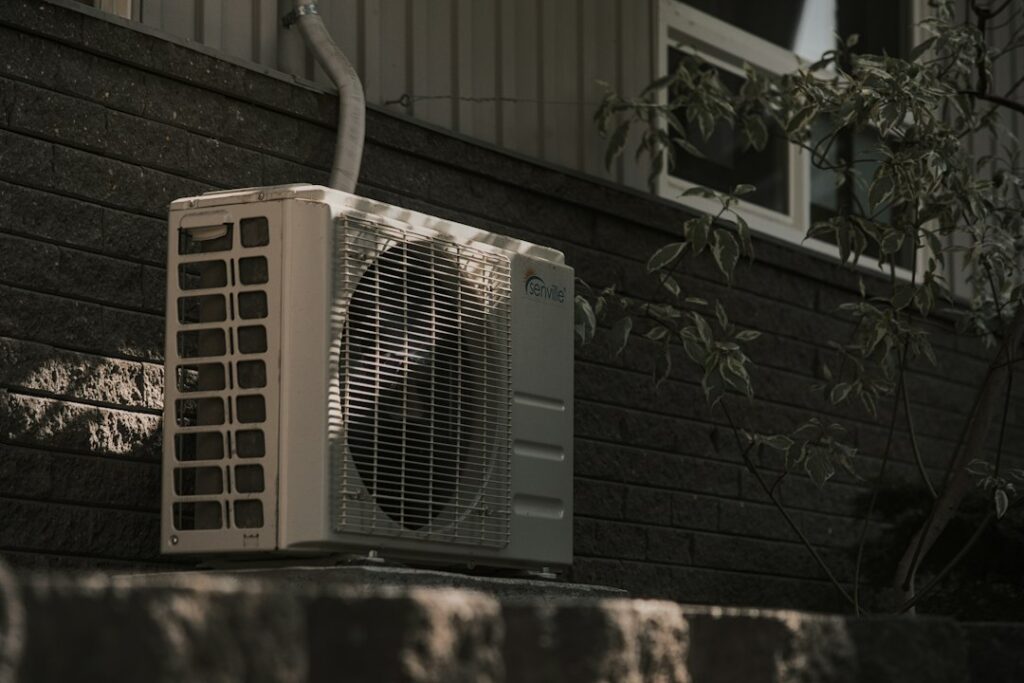
Impact on Energy Bills
Central air conditioning systems are typically more energy-efficient than window units. However, the impact on your energy bills will depend on several factors.
Consider the following:
- Energy efficiency rating: Higher-rated systems may cost more upfront but save money over time.
- Usage patterns: Frequent use will naturally increase energy consumption.
- Climate: In milder climates, the usage and impact on bills will be lower.
“Central air conditioning can improve home comfort and potentially lower energy bills, but it’s crucial to consider your local climate and usage habits.”
Climate Considerations
Canada’s diverse climates mean the value of central air conditioning varies widely. In cities like Toronto or Calgary, where summers can be hot, the investment may be more justified.
In contrast, regions with cooler summers may not see the same level of benefit. Consider your local climate when deciding.
Benefits Beyond Cooling
Central air systems offer more than just cooling. They can improve indoor air quality by filtering out dust and allergens. Additionally, they distribute air evenly throughout the home, enhancing comfort.
Other advantages include:
- Quiet operation: Unlike window units, central systems are quieter and less intrusive.
- Increased home value: A well-installed system can be attractive to potential buyers.
Maintenance and Lifespan
Regular maintenance is essential to keep a central air conditioning system running efficiently. This includes changing filters, checking refrigerant levels, and ensuring the ductwork is clean.
With proper care, these systems can last 15 to 20 years, making them a long-term investment.
Practical Steps to Decide
If you’re considering central air conditioning, start by evaluating your current cooling needs and budget. Consult with local contractors for detailed quotes and advice tailored to your home.
Weigh the benefits against the costs and think about how long you plan to stay in your home. Making an informed decision will ensure you get the most value from your investment.
Frequently asked questions
How much does central air conditioning cost in Canada?
The cost of central air conditioning in Canada varies widely depending on factors like home size, installation complexity, and regional pricing differences. Consult local HVAC contractors for specific quotes.
Does central air conditioning increase energy bills?
While central air conditioning is typically more efficient than window units, it can increase energy bills depending on usage patterns and climate. High-efficiency models may reduce long-term costs.
Is central air conditioning necessary in colder Canadian regions?
In colder regions, central air conditioning may not be necessary due to milder summers. However, it could still offer benefits like improved air quality and home comfort.
How often should central air conditioning be maintained?
Central air conditioning systems should be maintained at least once a year. This includes changing filters, checking refrigerant levels, and ensuring all components are in good working condition.