Converting your home to a greener HVAC system involves choosing eco-friendly options like heat pumps, upgrading insulation, and ensuring regular maintenance. Start with a professional energy audit to identify specific upgrades that will maximize efficiency and minimize your carbon footprint.
Conduct an Energy Audit
Before making changes, get a professional energy audit. This will help you identify areas where your home is losing energy. Auditors use tools like blower doors and infrared cameras to find leaks and inefficiencies. With this information, you can target the most impactful upgrades.
Consider Eco-Friendly HVAC Systems
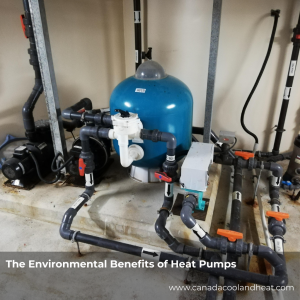
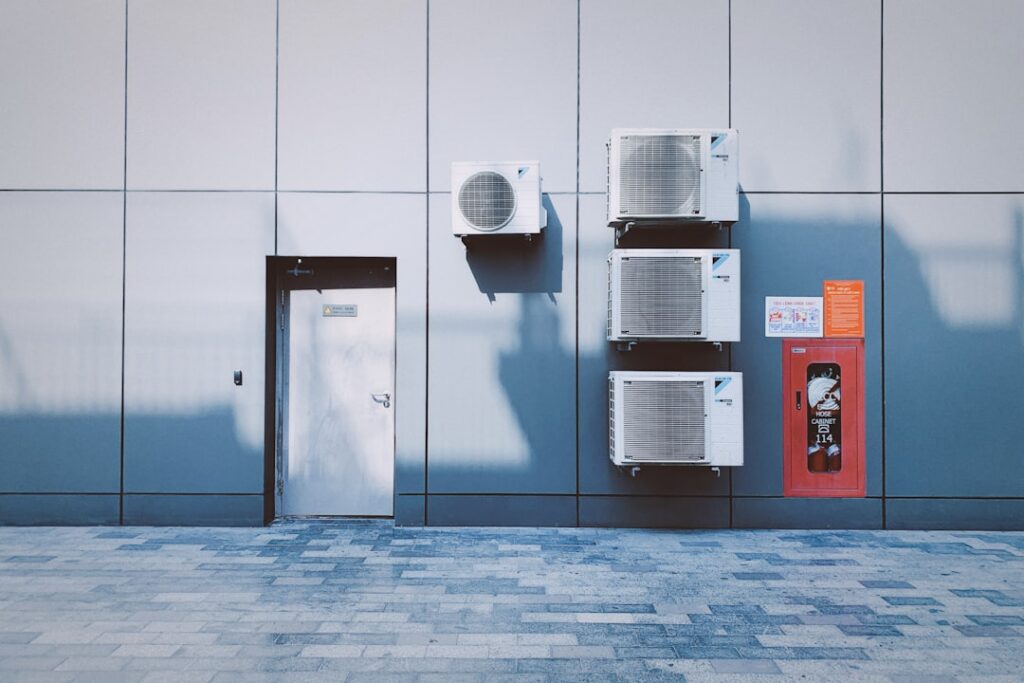
Explore alternative HVAC systems that use less energy. Heat pumps, for example, move heat rather than generating it, making them more efficient. Look into geothermal systems, which use the earth’s stable temperature for heating and cooling.
Improve Home Insulation
Good insulation reduces the load on your HVAC system, leading to energy savings. Consider upgrading attic insulation, sealing ductwork, and using energy-efficient windows. Insulation improvements can often be more cost-effective than major system upgrades.
Use Smart Thermostats
Smart thermostats adjust heating and cooling based on your schedule, reducing energy consumption when you’re not home. They can be controlled remotely and often provide energy reports to help you further optimize usage.
Regular HVAC Maintenance
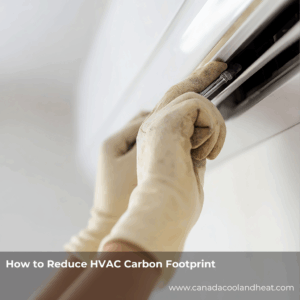
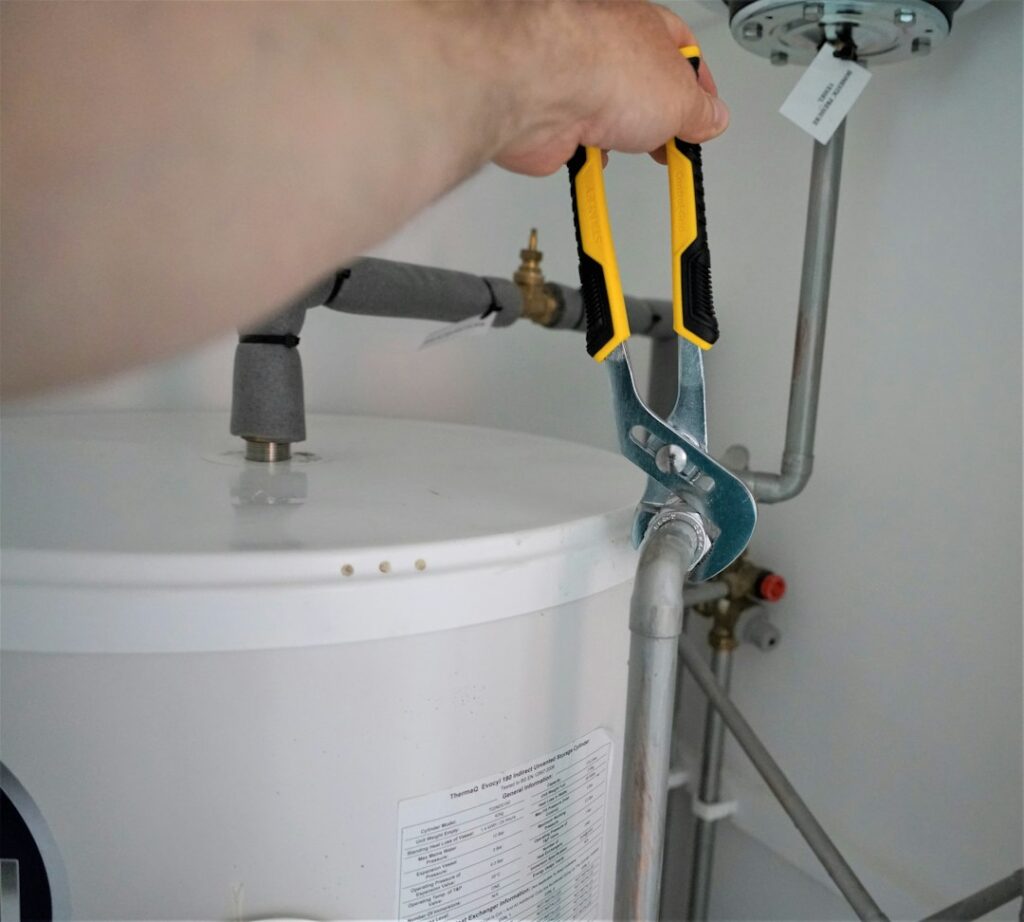
Routine maintenance ensures your system runs efficiently. Change filters regularly and schedule annual check-ups with a professional. A well-maintained system lasts longer and uses less energy.
Explore Renewable Energy Options
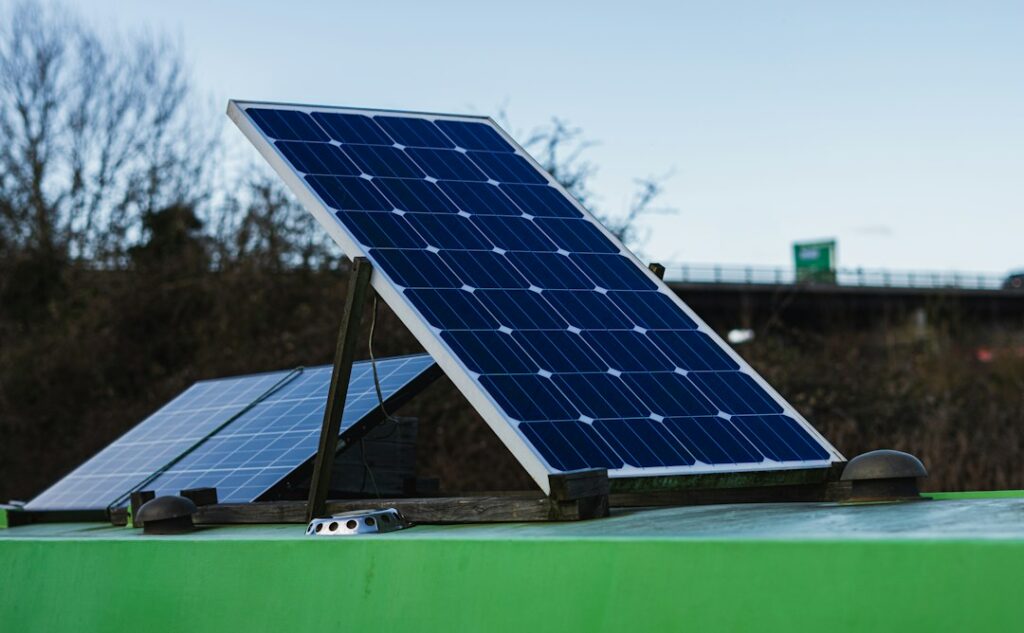
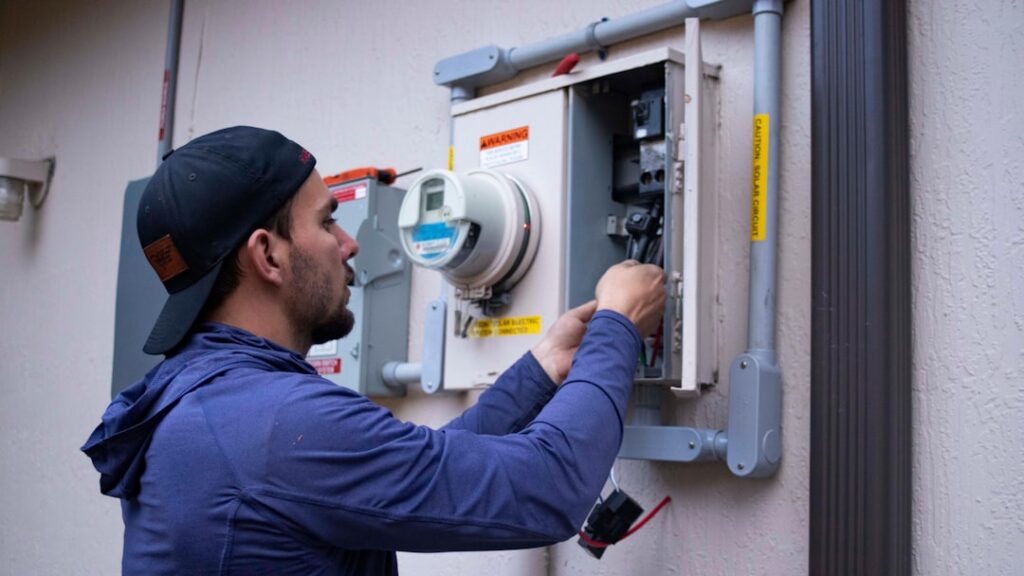
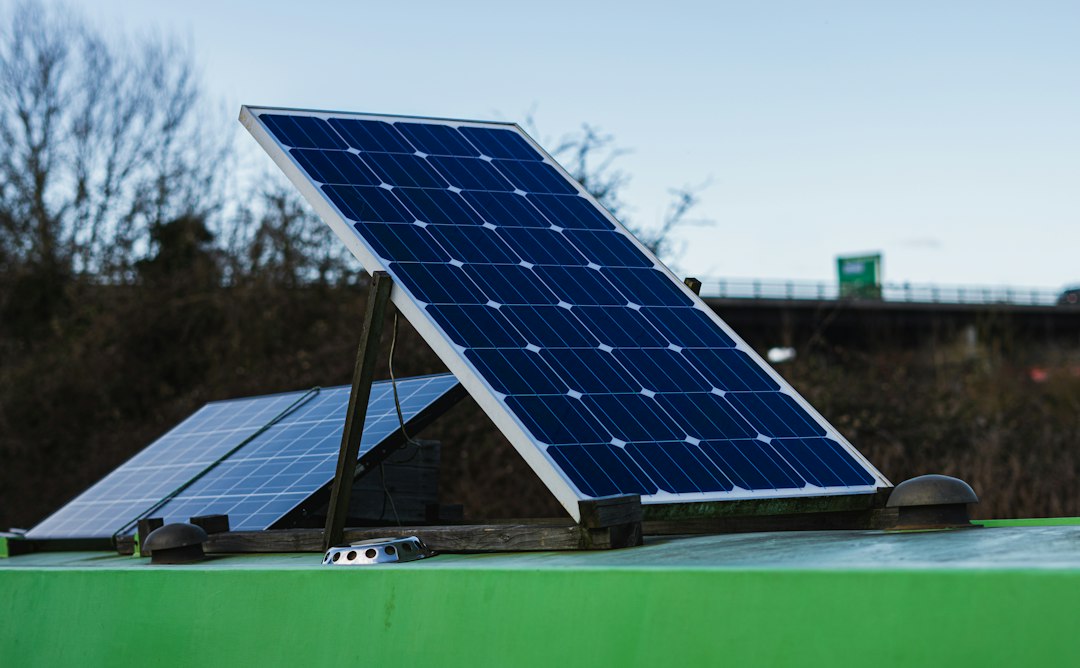
If feasible, consider integrating renewable energy sources like solar panels. These can power your HVAC system and reduce reliance on fossil fuels. While the initial investment is significant, the long-term savings and environmental benefits are substantial.
“Converting to a green HVAC system starts with understanding where your home consumes the most energy and making targeted improvements.”
Practical steps like improving insulation, using smart thermostats, and regular maintenance can significantly reduce your home’s energy consumption. Consider consulting with a local HVAC contractor to ensure you’re making the most effective changes.