
To maintain home humidity levels for comfort and health, aim for a range between 30% and 50%. Use a hygrometer to monitor levels and adjust with humidifiers or dehumidifiers as needed. Proper ventilation and addressing water sources also help maintain balance.
Understanding Humidity Levels
Humidity refers to the amount of moisture in the air. Indoor humidity levels affect comfort, health, and even the integrity of your home. High humidity can lead to mold growth, while low levels may cause dry skin and respiratory issues.
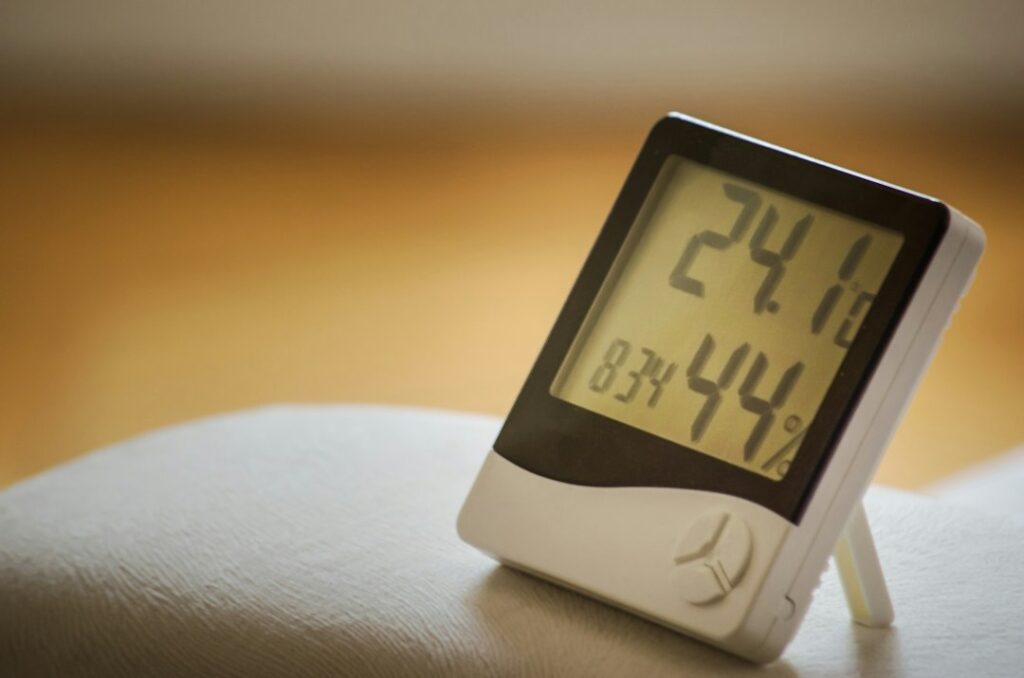
Tools to Measure Humidity
To accurately measure and maintain home humidity levels, consider using a hygrometer. These devices are affordable and available in both digital and analog formats, providing real-time readings of your home’s humidity.
Using Humidifiers and Dehumidifiers
Humidifiers add moisture to the air, which is beneficial in dry climates or during winter. Dehumidifiers, on the other hand, remove excess moisture, ideal for humid summers or areas prone to dampness.
- Choose a humidifier for winter to prevent dryness.
- Opt for a dehumidifier in summer to reduce excess moisture.
- Regularly clean these devices to ensure efficiency and hygiene.
Ventilation is Key
Proper ventilation helps in balancing humidity levels. Ensure your home has adequate airflow, especially in kitchens and bathrooms where moisture levels can spike.
- Use exhaust fans during and after showers or cooking.
- Open windows when weather permits to circulate air.
- Consider installing a whole-home ventilation system if needed.
Addressing Water Sources
Leaking pipes or roofs can contribute to unwanted humidity. Regular maintenance and prompt repairs can prevent these issues.
Check for leaks regularly and fix them promptly. Use waterproof sealants where necessary to prevent moisture ingress.
Seasonal Adjustments
Different seasons require different approaches to humidity control. During winter, the air is naturally drier, while summer can bring about higher humidity levels.
Regularly monitoring and adjusting your home’s humidity levels can significantly improve indoor air quality and comfort.
In winter, increase humidity with a humidifier. In summer, use air conditioning and dehumidifiers to maintain balance.
Getting Professional Help
If you’re struggling to maintain optimal humidity levels, consider consulting with a professional. They can provide tailored advice and solutions. Find a local HVAC contractor to assist with more complex needs.
If you’re in major cities like Toronto or Calgary, there are many HVAC professionals available to help.
Final Thoughts
Maintaining the right humidity levels is crucial for a comfortable and healthy home environment. Use the right tools, address water sources, and adjust seasonally. Don’t hesitate to seek professional guidance if necessary.