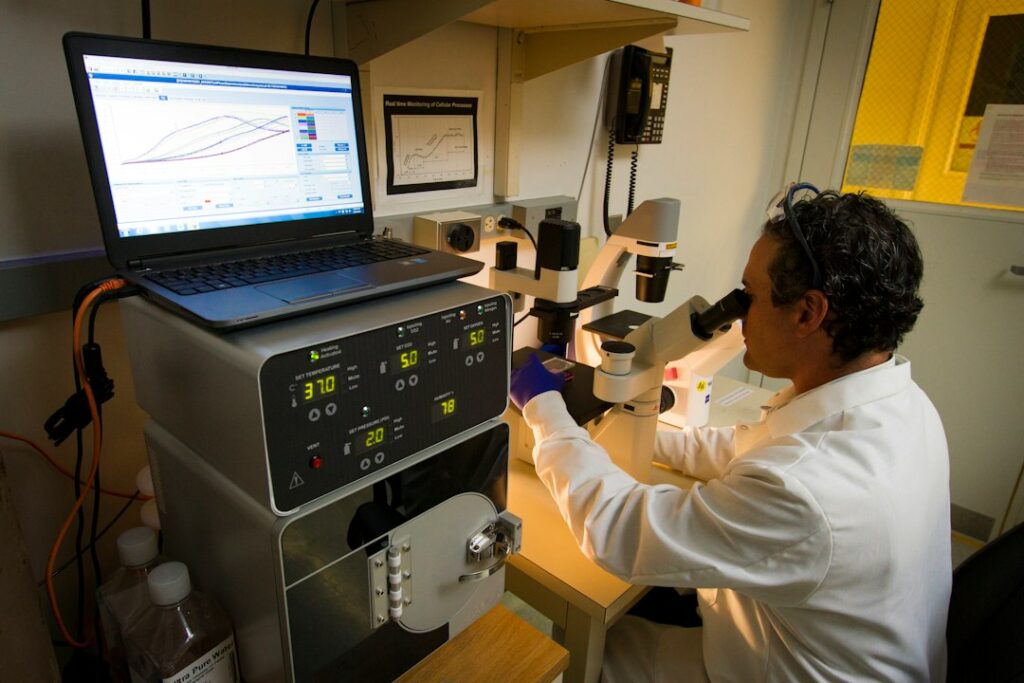
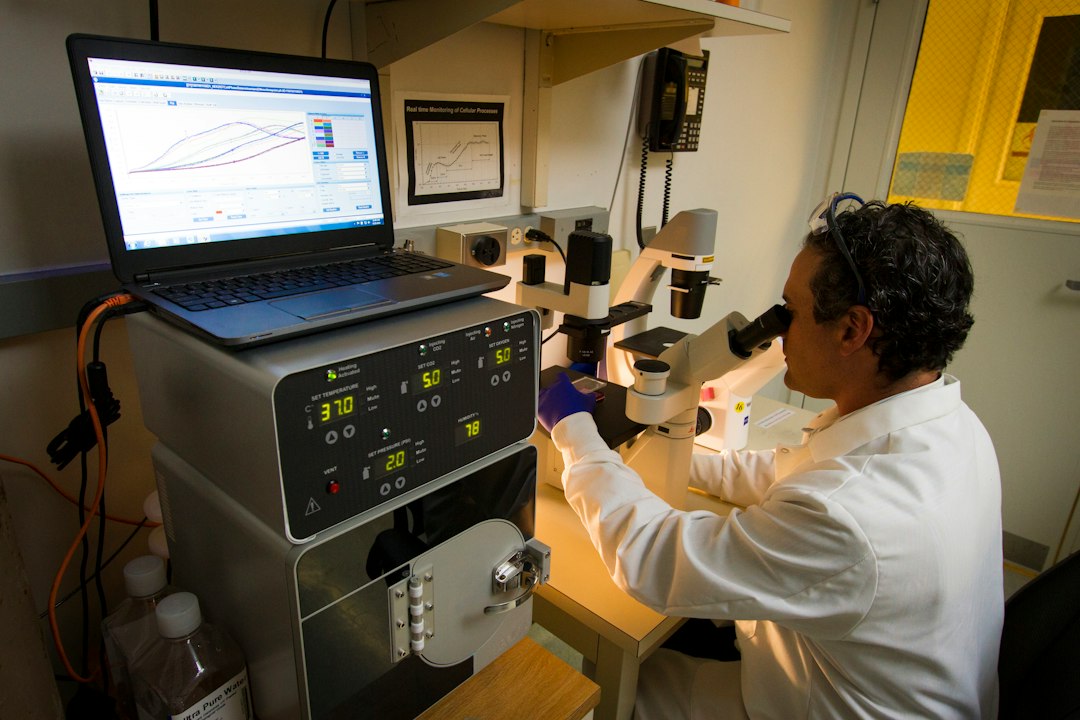
To test your indoor air quality, start by identifying potential sources of pollution and consider using air quality monitors or test kits. These tools can help detect pollutants like VOCs, mold, and radon. Regular monitoring ensures you address issues early, creating a healthier home environment.
Understanding Indoor Air Pollutants
Before you test, know what you’re looking for. Common indoor air pollutants include volatile organic compounds (VOCs), mold, dust mites, pet dander, and radon. VOCs come from household products and can impact health. Mold thrives in damp areas and can trigger allergies. Radon is a naturally occurring gas that can be harmful in high concentrations.
Using Air Quality Monitors
Air quality monitors are electronic devices that measure various pollutants. They provide real-time data on air quality levels in your home. Some models can detect multiple pollutants, while others focus on specific ones like VOCs or particulate matter. Choose one that fits your needs and budget.
Setting Up Your Monitor
Place the monitor in areas where you spend the most time, such as the living room or bedroom. Follow the manufacturer’s instructions for setup and calibration. Regularly check and maintain the device to ensure accurate readings.
DIY Test Kits
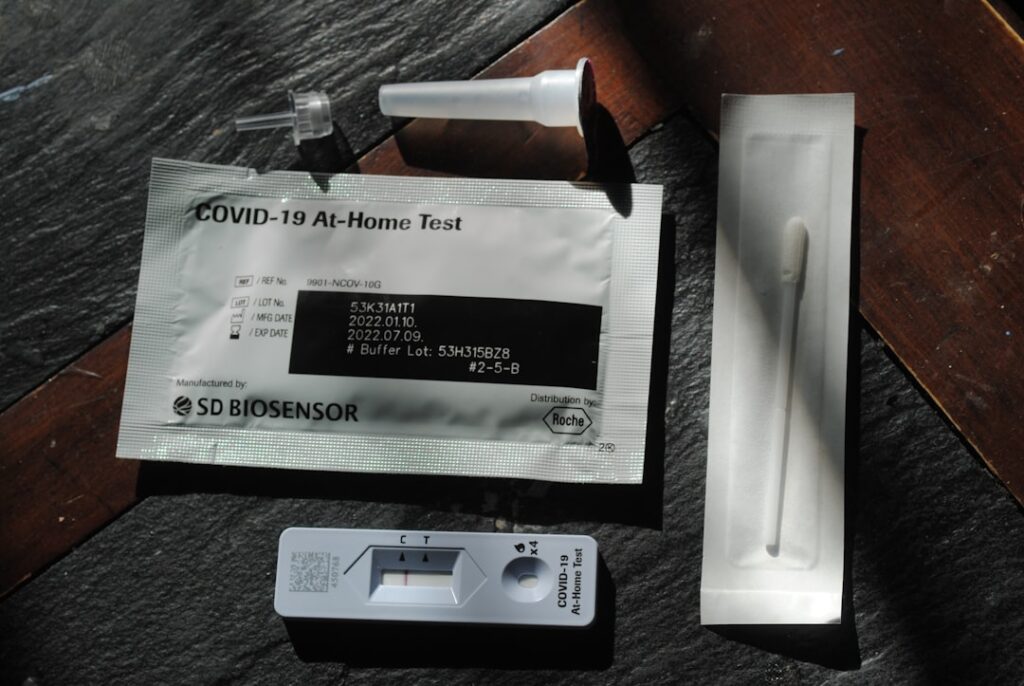
Homeowners can use DIY test kits for specific pollutants like radon or mold. These kits often involve collecting samples and sending them to a lab for analysis. They are a cost-effective way to identify potential issues without professional help.
- Radon Test Kits: Use these in the lowest level of your home where you spend time.
- Mold Test Kits: Place in areas where mold is suspected, such as basements or bathrooms.
Addressing Identified Issues
Once you identify pollutants, take action to reduce them. Improving ventilation, using air purifiers, and reducing sources of pollution are effective strategies. For persistent issues, consider consulting a professional.
“Regularly monitoring indoor air quality helps you catch potential health risks early.”
Professional Assessment Options
For a comprehensive analysis, hire a professional. They can perform detailed tests and offer solutions tailored to your home’s needs. If you’re in a city like Toronto, there are many contractors who specialize in air quality.
Maintaining Good Air Quality
Testing is just the first step. Maintain good air quality by cleaning regularly, using natural cleaning products, and avoiding smoking indoors. Regularly service your HVAC system to ensure it filters air efficiently.
For more information or to find local professionals, explore our contractor directory.