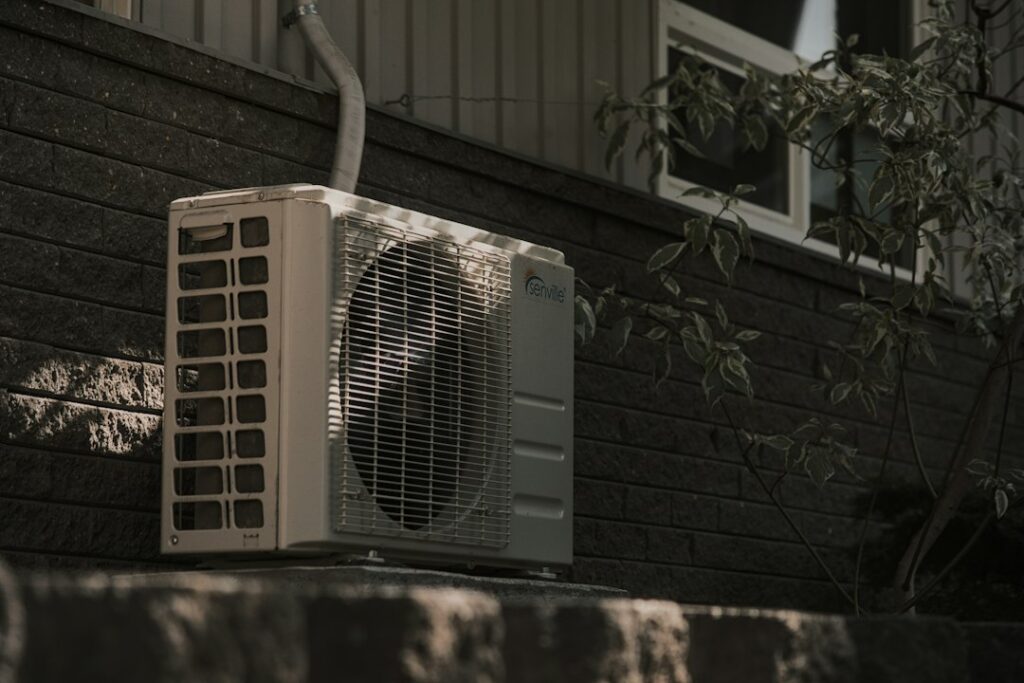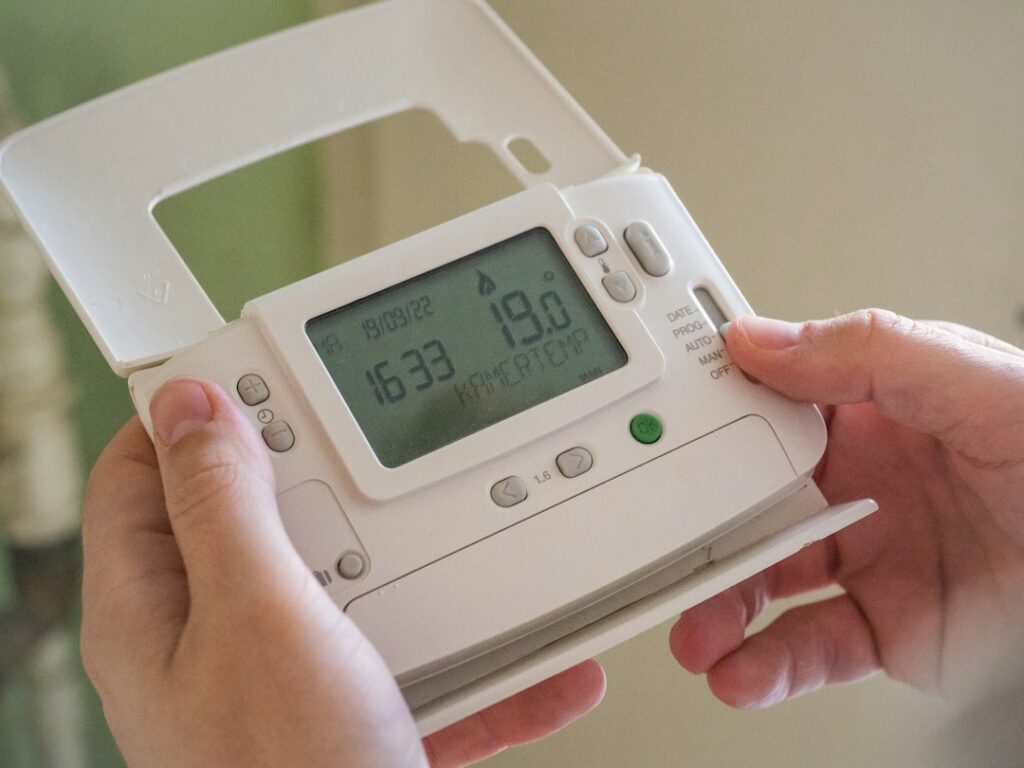
Single-stage HVAC systems operate at one consistent speed, while multi-stage systems adjust their speed based on the heating or cooling demand. If you prioritize efficiency and comfort, a multi-stage system might be worth the investment, but single-stage systems are simpler and cheaper upfront.
How Single-Stage Systems Work
Single-stage HVAC systems are designed to operate at full capacity whenever they’re on. This means they either run at 100% or are completely off. These systems are straightforward and typically less expensive to install. However, they might lead to inconsistent temperatures and higher energy bills due to frequent on-off cycling.
The Functionality of Multi-Stage Systems
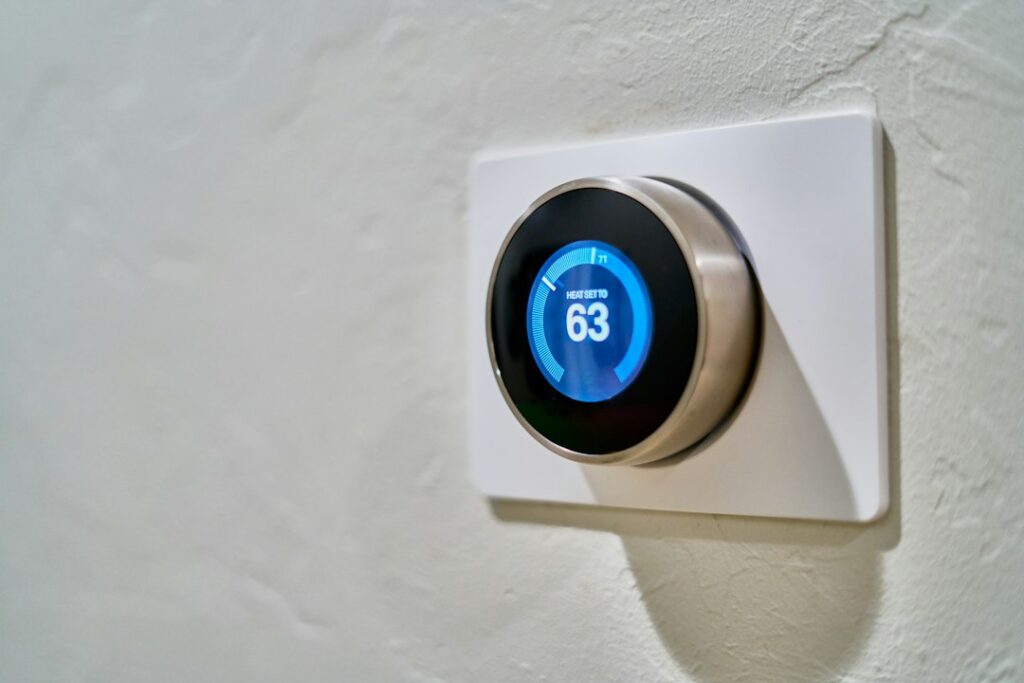
Multi-stage systems, on the other hand, can operate at varying levels, usually high and low. This allows them to adjust to the specific heating or cooling needs of your home at any given time. By running at a lower capacity most of the time, multi-stage systems can provide more consistent temperatures and improved energy efficiency.
Energy Efficiency Comparison
When it comes to energy efficiency, multi-stage systems typically have the edge. They run for longer periods at less than full capacity, which uses less energy than constantly turning on and off. This can lead to lower utility bills over time. Single-stage systems may be less efficient as they consume the same amount of energy regardless of the actual demand.
Comfort and Temperature Regulation
Multi-stage systems usually offer better comfort because they can maintain a more consistent indoor climate. They reduce temperature swings by adjusting their output to match your home’s needs more precisely. Single-stage systems might struggle to maintain a steady temperature, especially during extreme weather.
Multi-stage HVAC systems provide better energy efficiency and temperature regulation, making them ideal for those focused on comfort.
Cost Considerations
Single-stage systems are generally less expensive to purchase and install. This makes them a more attractive option for homeowners on a budget or for those with smaller homes. However, the energy savings and improved comfort of a multi-stage system can offset the higher initial cost over time.
Choosing the Right System for Your Home
The decision between a single-stage and a multi-stage system depends on your priorities, budget, and home size. Consider how long you plan to stay in your current home and whether the improved comfort and efficiency of a multi-stage system align with your needs. Consulting with a local HVAC contractor can provide personalized advice based on your specific situation.
For those living in larger cities like Toronto or Montreal, finding a qualified contractor to discuss these options is crucial for making an informed decision.
Next Steps for Homeowners
Think about your long-term goals and what’s most important for your comfort and budget. Reach out to a professional for advice tailored to your home. Don’t rush the decision—take the time to weigh the pros and cons.