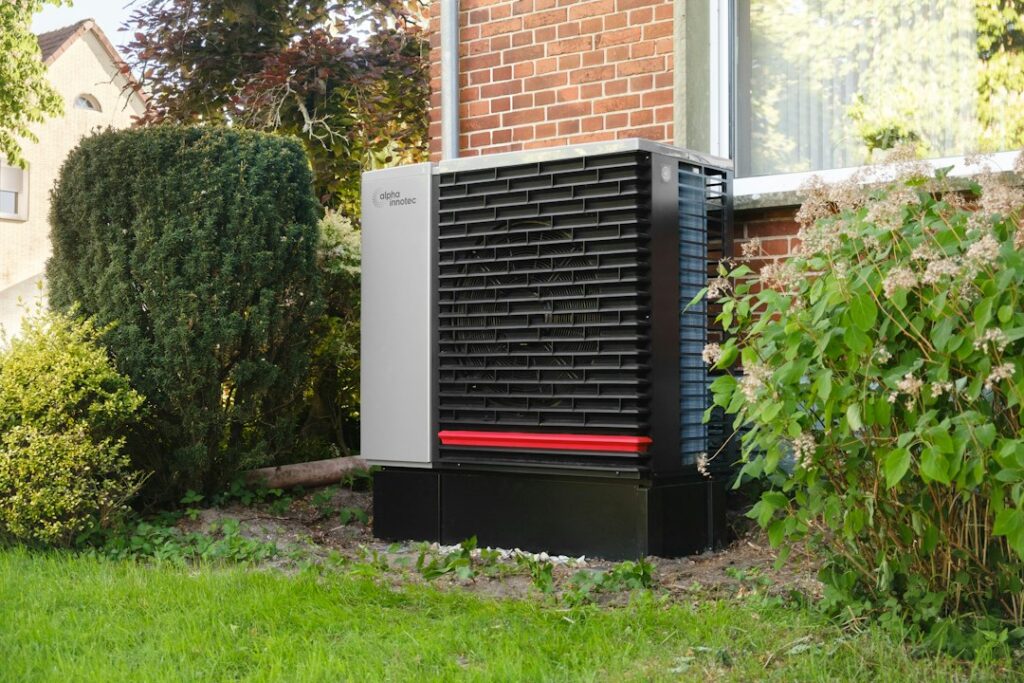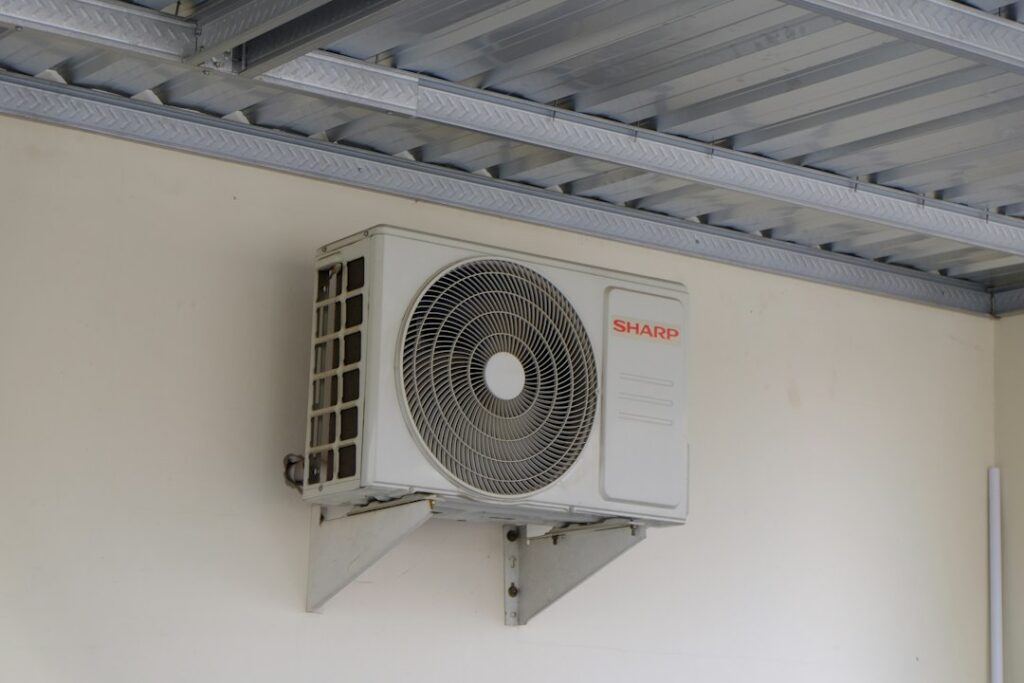
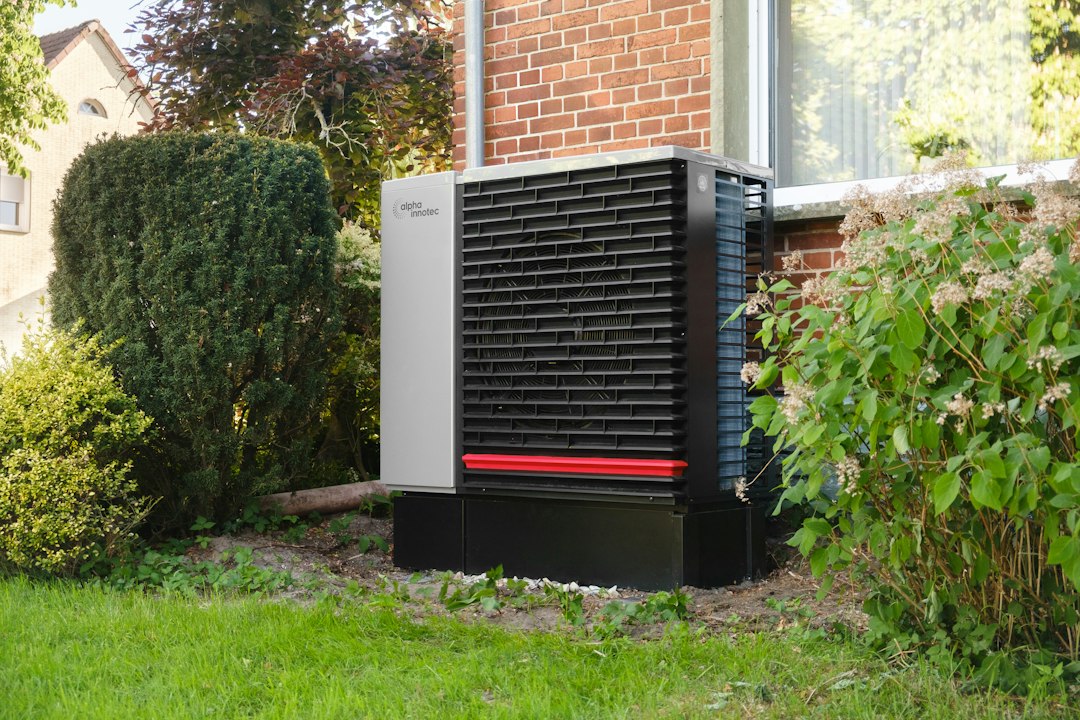
If you’re deciding between a ducted and ductless heat pump, consider your home’s layout and existing infrastructure. Ducted systems are ideal for homes with existing ductwork, while ductless systems suit properties without ducts or with specific zoning needs. Each has unique benefits in terms of installation, efficiency, and suitability.
Installation Considerations
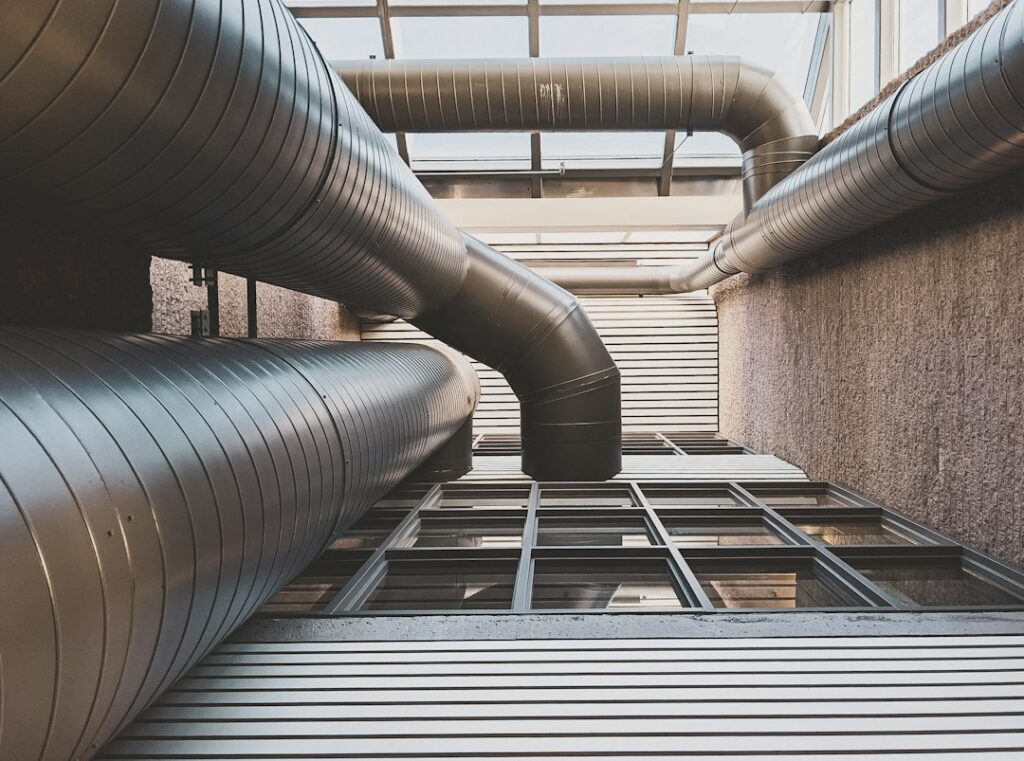
Ducted heat pumps require a network of ducts throughout your home. If your home already has ductwork, installing a ducted system can be straightforward. However, it can be costly and complex if ducts need to be added.
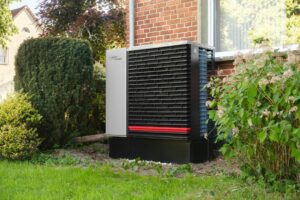
Ductless heat pumps, or mini-split systems, install without the need for ducts. They consist of an outdoor unit and one or more indoor units, making them easier to install in homes without existing ductwork. This flexibility can be a significant advantage if you’re adding heating to specific rooms or zones.
Efficiency and Performance
Ducted systems can be very efficient, but they may lose some energy through the ducts. Leaky or poorly insulated ducts can reduce overall efficiency, leading to higher energy costs.
Ductless systems often boast higher efficiency because they avoid these duct-related losses. Each indoor unit can be controlled independently, which allows for precise temperature control and energy savings in unused areas.
Choosing between ducted and ductless heat pumps depends on your home’s existing infrastructure, efficiency needs, and budget.
Cost Implications
Installing a ducted heat pump in a home with existing ducts might be more cost-effective than installing ducts from scratch. However, if ductwork needs to be added or replaced, the costs can rise significantly.
Ductless systems can have a higher initial cost per indoor unit, but they eliminate the need for duct installation, potentially reducing overall expenses in homes without ducts.
Suitability for Different Home Types
Homes with existing ductwork are natural candidates for ducted heat pumps, especially if you’re replacing an old furnace or central air system.
Ductless systems are ideal for older homes without ducts, new additions, or rooms that need individual climate control. They’re also suitable for homes where extending existing ductwork is impractical.
Climate and Comfort
In colder Canadian climates, the choice between ducted and ductless can impact comfort. Ductless systems offer localized heating, which can be beneficial in large homes or those with diverse heating needs.
Ducted systems provide consistent heating throughout the home, which can be more comfortable if your climate requires uniform heating.
Maintenance and Longevity
Both systems require regular maintenance, but ductless systems often demand more frequent cleaning of filters and indoor units.
Ducted systems require attention to the ducts themselves, ensuring they remain sealed and insulated for optimal efficiency.
Ultimately, choosing between ducted and ductless heat pumps depends on several factors, including your home’s existing systems, budget, and specific comfort needs. Consulting with a local HVAC contractor in your area, such as those in Toronto or Calgary, can provide tailored advice for your situation.