Storms can disrupt power, causing your HVAC system to stop working temporarily or even suffer damage. High winds, flooding, and lightning can all impact your system’s performance and longevity. Homeowners should take preventative measures to protect their heating and cooling systems from these weather events.
Power Outages and Your HVAC System
One of the most common effects of storms on HVAC systems is power outages. Without electricity, your system can’t run. This not only affects comfort but can also lead to damage if the system is abruptly stopped and restarted.
Wind Damage
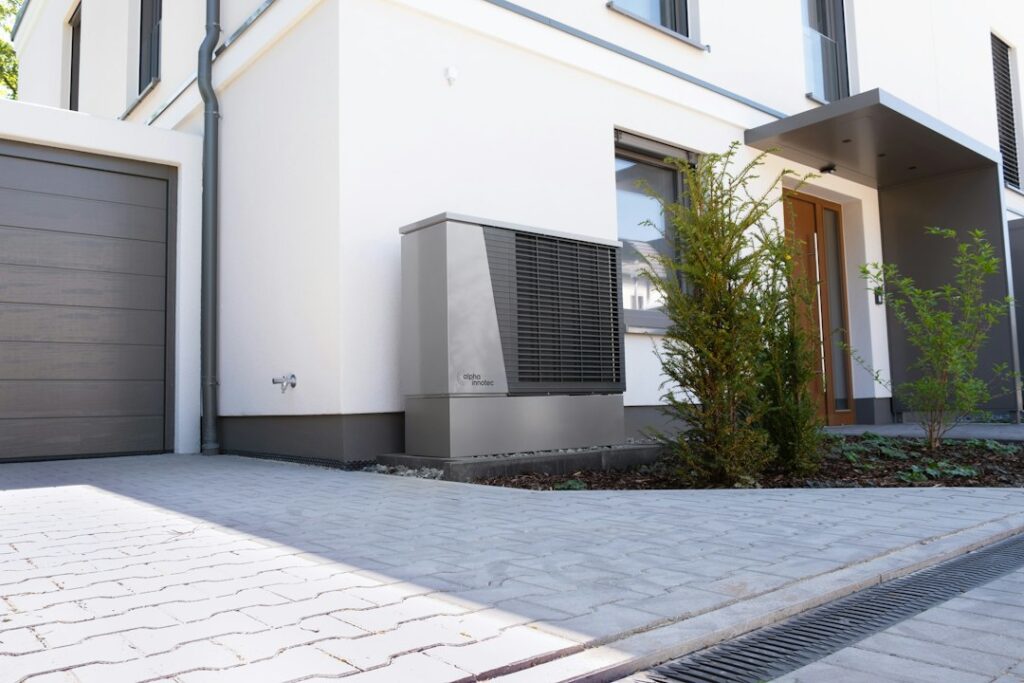
Strong winds can be a major threat to outdoor HVAC units. Debris can be blown into the unit, causing physical damage or blocking airflow. Secure the area around your unit and remove loose items that could become projectiles.
Flooding and Water Damage
Flooding is particularly concerning for HVAC systems, particularly those with outdoor components. Water can damage electrical parts and reduce efficiency.
- Ensure proper drainage around your unit.
- Consider elevating units in flood-prone areas.
Lightning Strikes
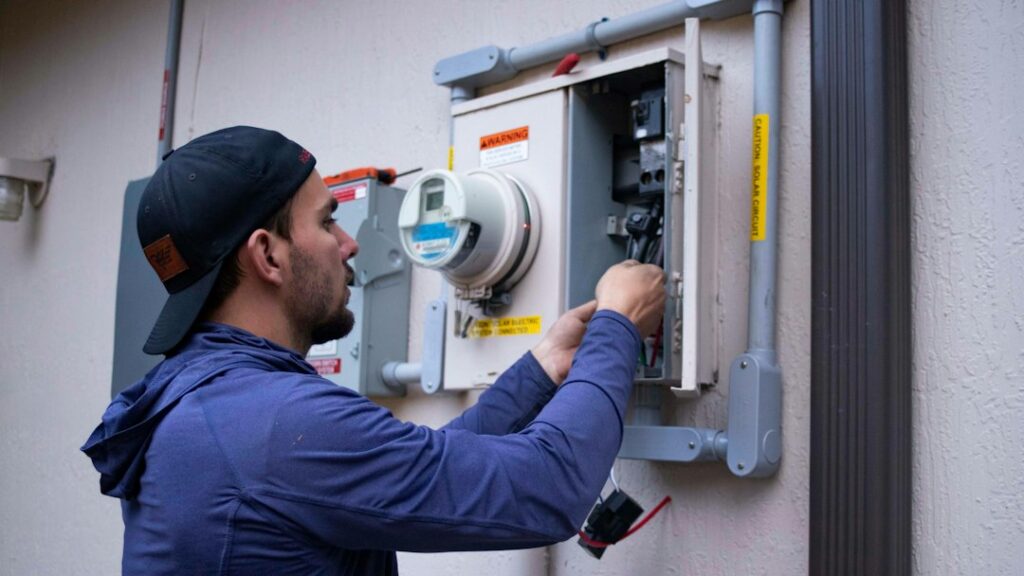
Lightning can cause power surges that damage HVAC systems. Surge protectors can offer a level of safety but are not foolproof.
Regular maintenance and inspections can identify potential vulnerabilities in your HVAC system before a storm hits.
Preventative Maintenance
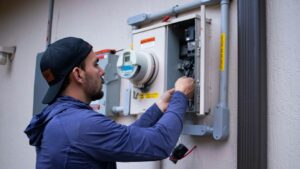
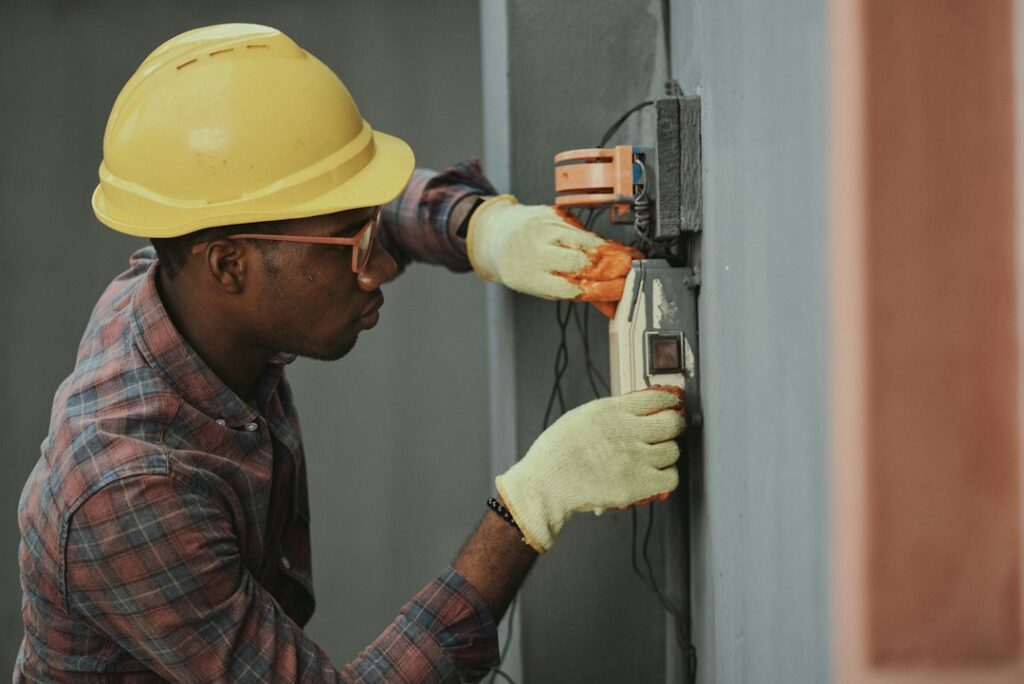
Regular maintenance is key to preparing your HVAC system for stormy weather. This includes checking all electrical connections and cleaning debris from around the unit.
What to Do After a Storm
After a storm, inspect your HVAC system for any visible damage. If you notice any issues, it may be wise to contact a professional. For those in major cities, consider reaching out to local professionals, like those listed in our contractor directory.
Practical Steps for Homeowners
Stay informed about weather forecasts and take action before storms hit. This might include turning off your system during severe weather to prevent damage from power surges.