Handling your own HVAC maintenance can save money on labor costs, but it comes with risks. Professional services ensure thoroughness and safety, potentially avoiding costly repairs later. Deciding between DIY and professional maintenance depends on your skills, time, and the complexity of the task.
Understanding HVAC Maintenance Tasks
HVAC maintenance involves several routine tasks that can range from simple filter replacements to more complex checks like inspecting electrical connections. Regular maintenance is crucial for the system’s efficiency and longevity.
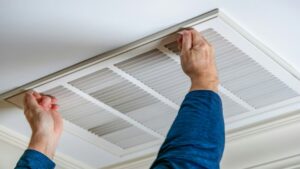
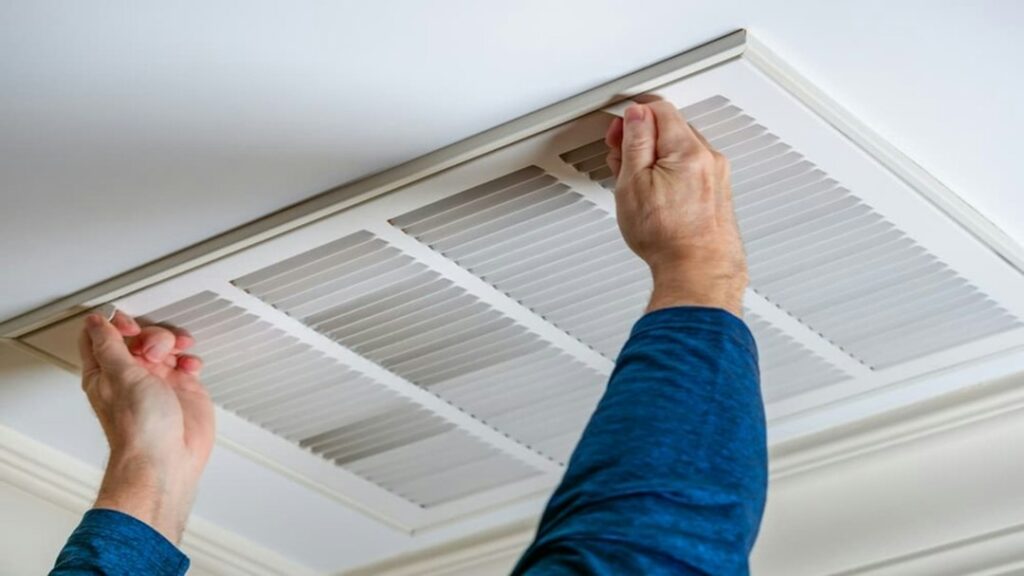
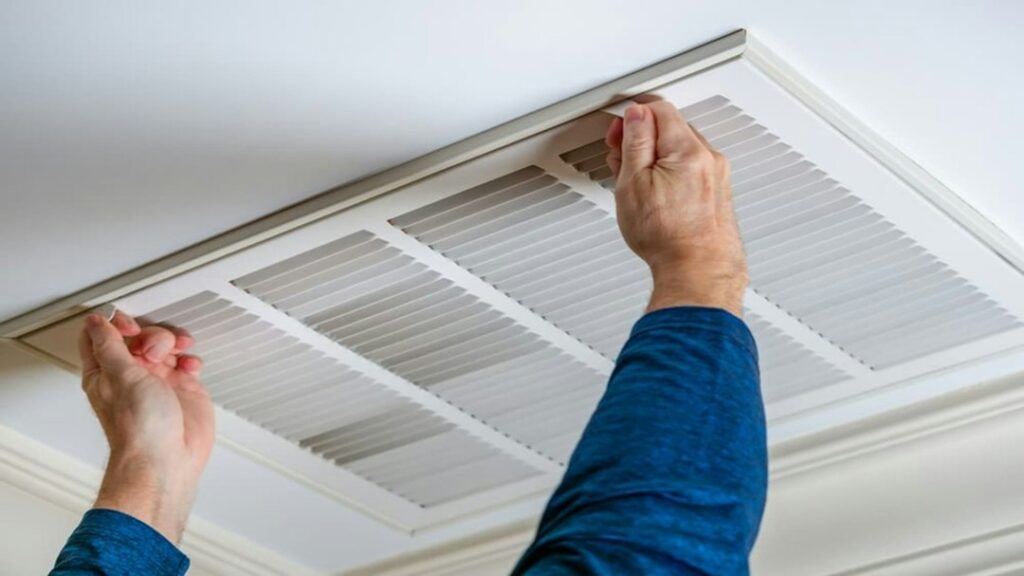
- Filter Replacement: Generally safe to do yourself. Check monthly and replace as needed.
- Thermostat Calibration: Requires some knowledge but manageable for most homeowners.
- Cleaning Coils and Fins: Can be done DIY, but care is needed to avoid damage.
- Inspecting Ductwork: Simple visual inspections can be DIY; deeper issues might need a pro.
Cost Savings from DIY
DIY maintenance can save you the labor costs associated with professional services. For minor tasks like filter changes, the savings can be significant over time.
However, it’s essential to weigh these savings against potential risks. A mistake in a DIY repair could lead to more expensive fixes down the road.
DIY is best for simple tasks that don’t risk damaging the system or voiding warranties.
Risks of DIY HVAC Maintenance
While DIY can be cost-effective, it comes with the risk of improper handling, which could lead to system inefficiencies or malfunctions.
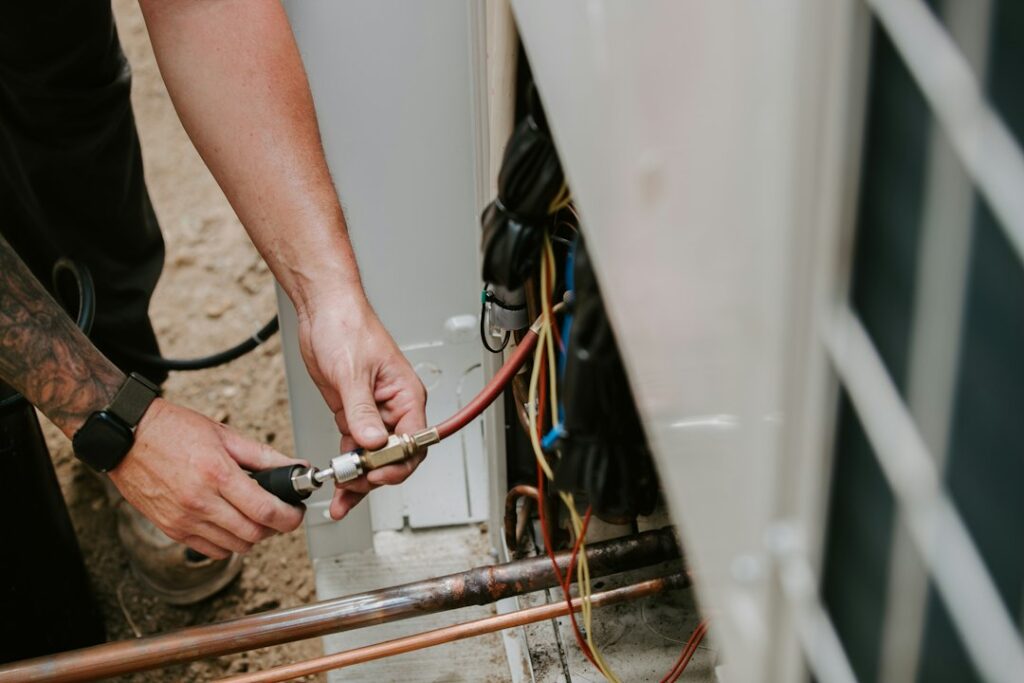
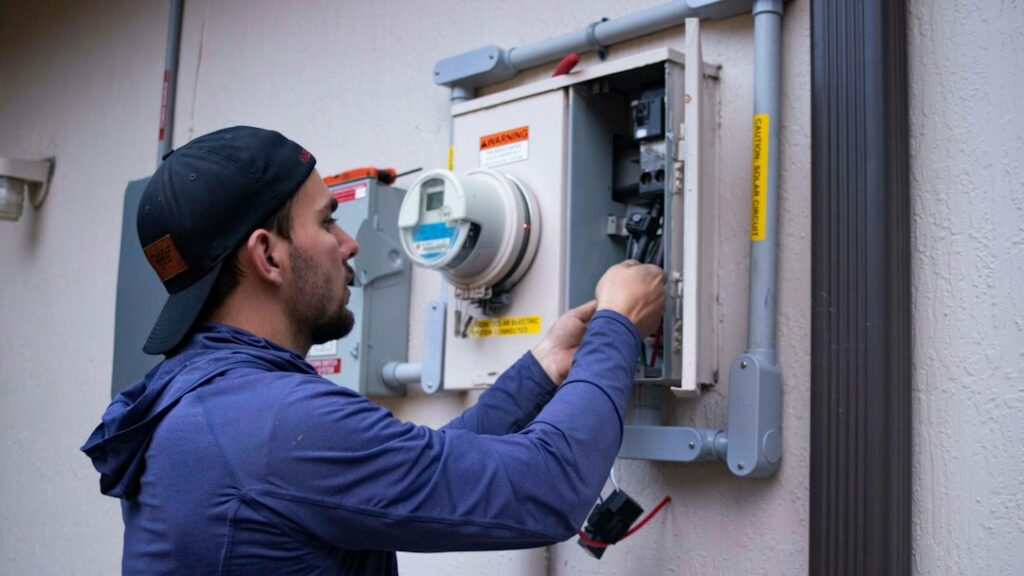
Working on complex parts like electrical connections or refrigerant lines should be left to professionals to avoid safety hazards and system damage.
Benefits of Professional HVAC Maintenance
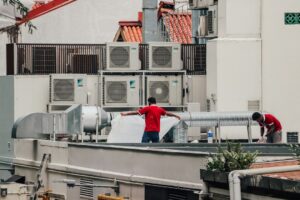
Hiring a professional ensures a comprehensive inspection and proper handling of all components. Professionals have the expertise to spot issues early, potentially saving money on major repairs.
They also have the tools and knowledge to handle tasks that might be challenging or dangerous for a homeowner.
When to Call a Professional
Consider professional service when you encounter issues beyond your expertise, such as refrigerant leaks or electrical faults. Regular annual or bi-annual inspections by a professional can also be beneficial.
If you’re not comfortable performing maintenance tasks, or if your system is older, a professional’s help can ensure it’s running efficiently and safely.
You can find qualified contractors in your area, such as Toronto or Calgary.
Making the Decision
Deciding between DIY and hiring a professional depends on your comfort level, the task complexity, and your budget. Routine checks like filter changes can easily be DIY, while more technical maintenance should be left to the pros.
For peace of mind and optimal performance, investing in professional maintenance can be worthwhile.
Frequently asked questions
What are the most common DIY HVAC tasks?
The most common DIY HVAC tasks include filter replacement, thermostat adjustments, and basic cleaning of coils and fins. These tasks are generally safe for homeowners.
What risks are involved with DIY HVAC maintenance?
DIY maintenance risks include improper handling that can lead to system inefficiencies or malfunctions. Complex tasks can also pose safety hazards.
How often should HVAC maintenance be performed?
HVAC systems should have routine maintenance at least twice a year, ideally before the heating and cooling seasons, to ensure efficiency and longevity.
What should I do if I encounter a problem during DIY maintenance?
If you encounter a problem, it's best to stop and consult a professional. Attempting to fix complex issues without expertise can lead to further damage.
Can DIY maintenance void my HVAC warranty?
Yes, some warranties require professional maintenance. Always check your warranty terms before performing any DIY tasks that could affect coverage.