An HVAC inspection is a thorough review of your heating and cooling systems by a professional. It includes checking components for wear, ensuring they function safely, and optimizing performance. If you’re preparing for one, expect a technician to examine both the visible and hidden parts of your system.
Visual Inspection
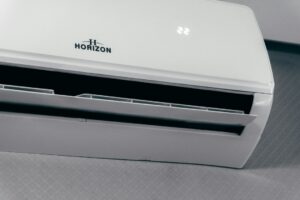
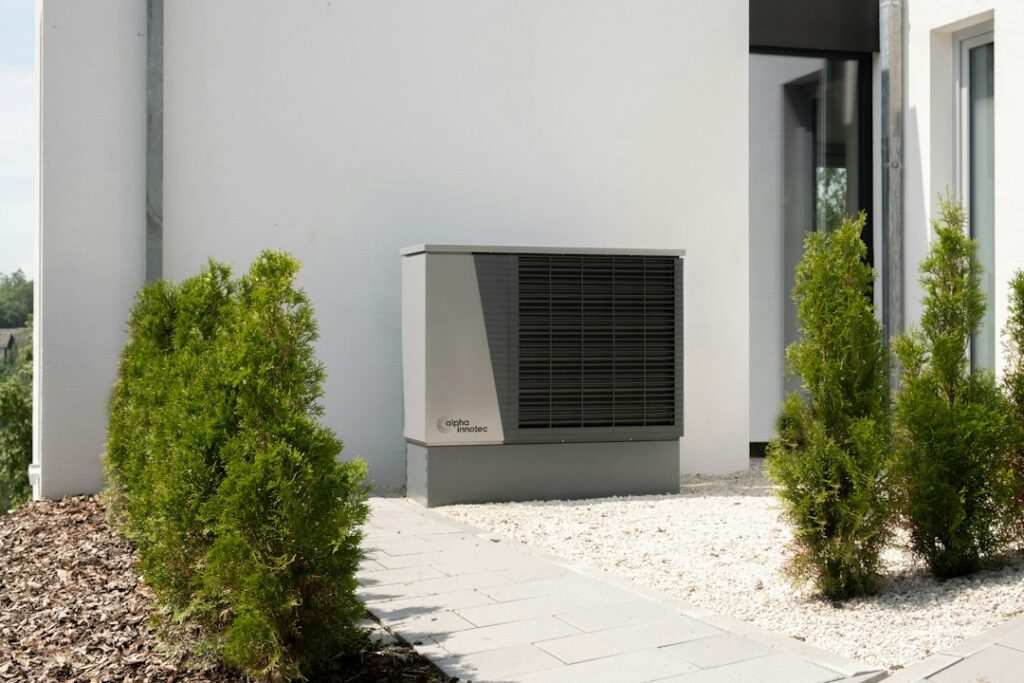
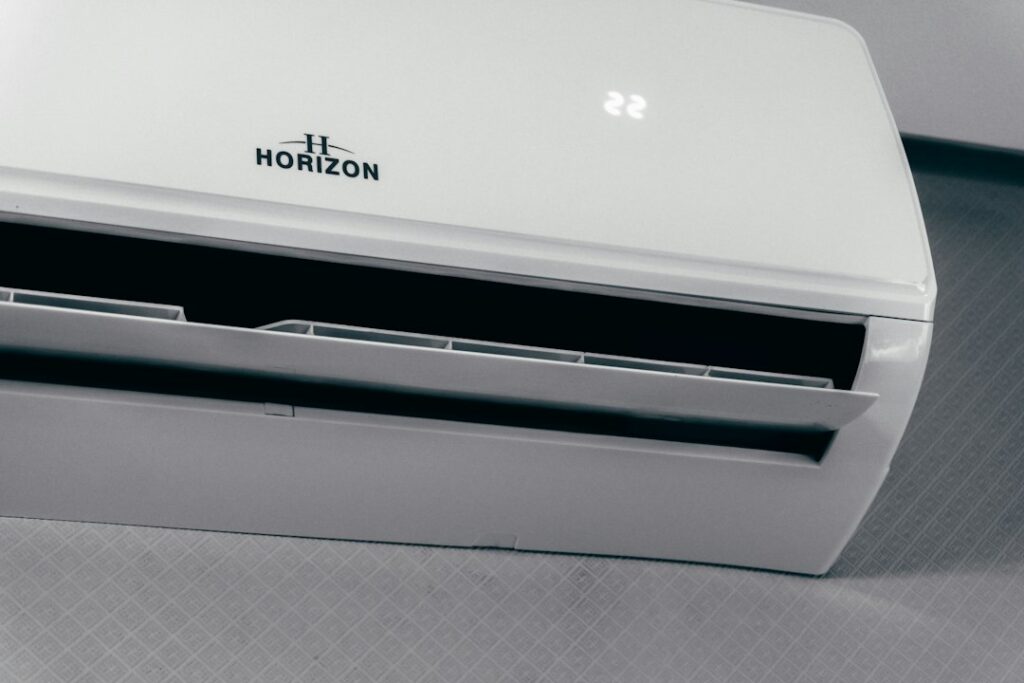
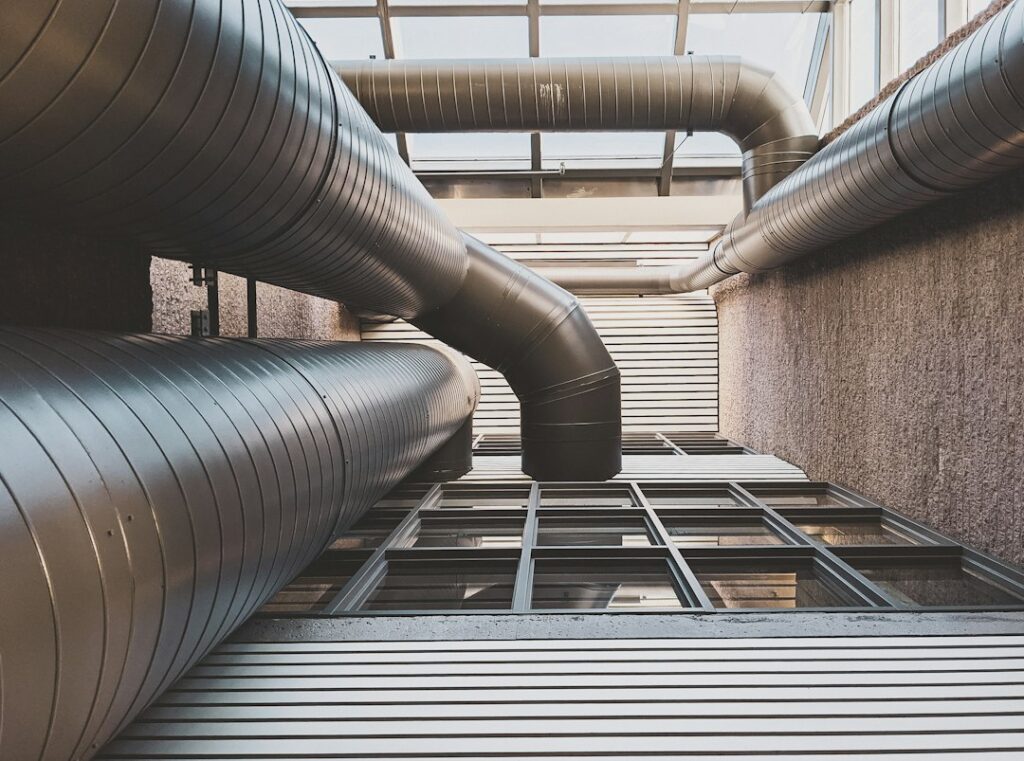
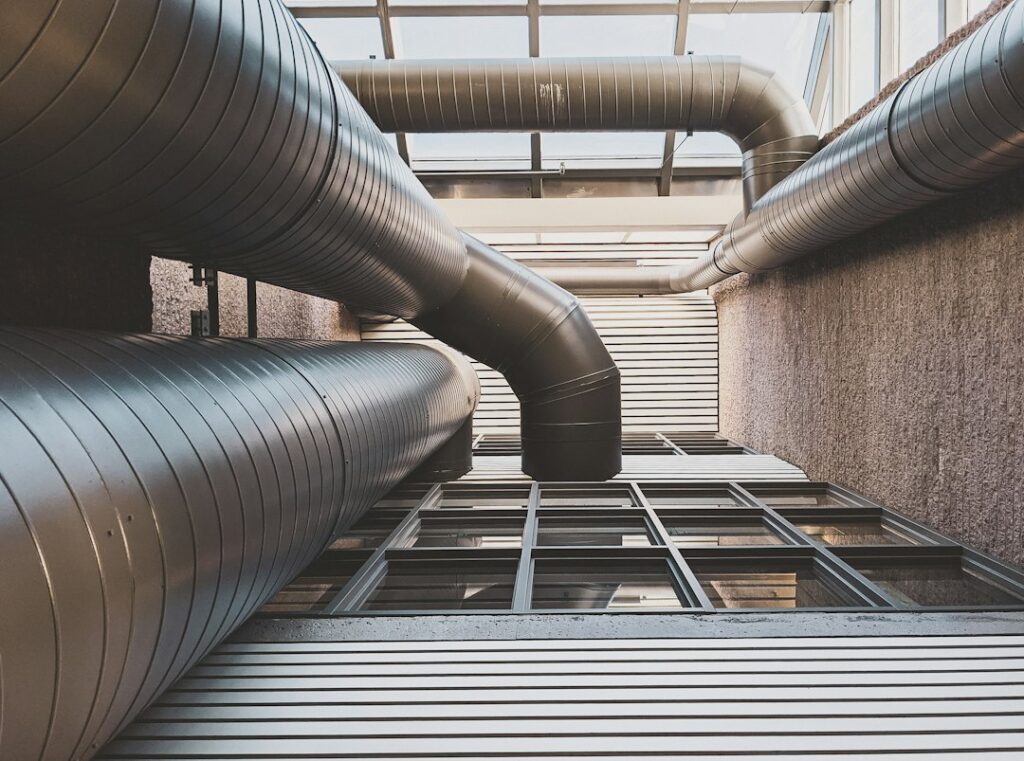
The first step in an HVAC inspection involves a visual check of the entire system. The technician will look at the outdoor unit, indoor components like the furnace or air handler, and all visible ductwork. They will check for obvious signs of damage, such as rust, leaks, or unusual wear.
Testing System Performance
Technicians then test your system’s performance. This involves turning on the system and assessing how well it heats or cools your home. The technician will measure airflow and temperature differences between your supply and return ducts to ensure your system is working efficiently.
Checking Electrical Components
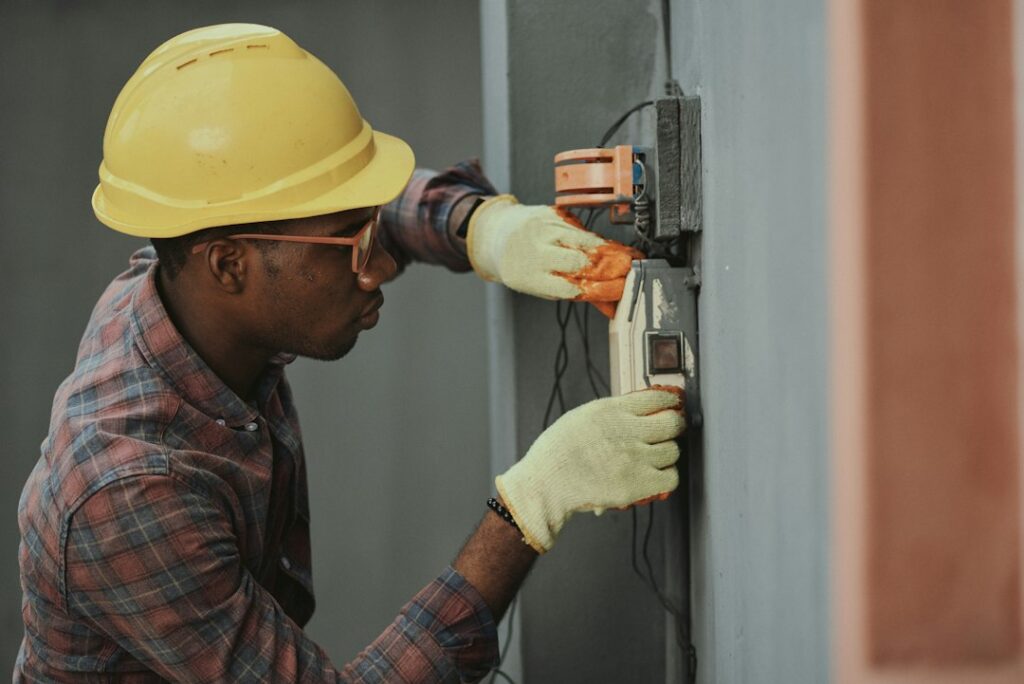
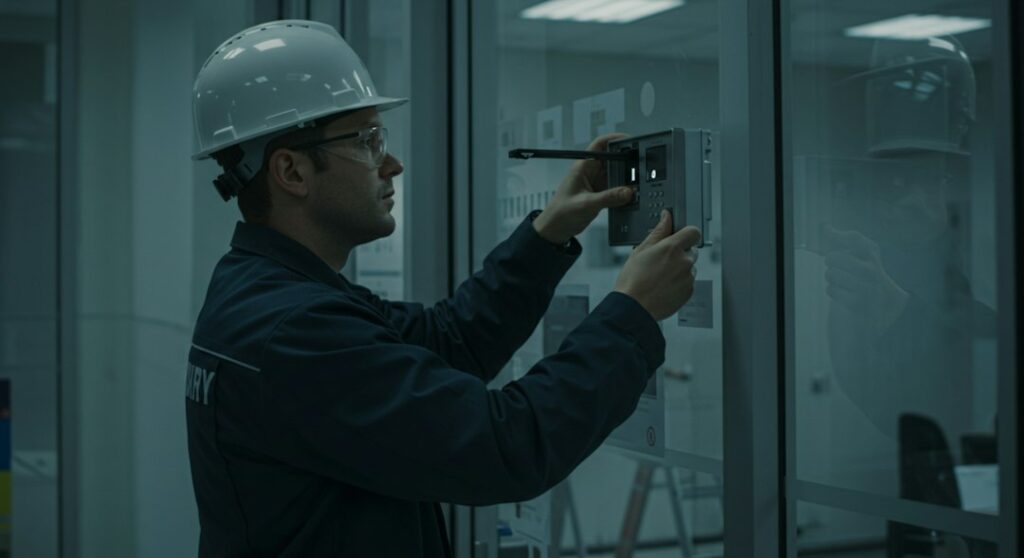
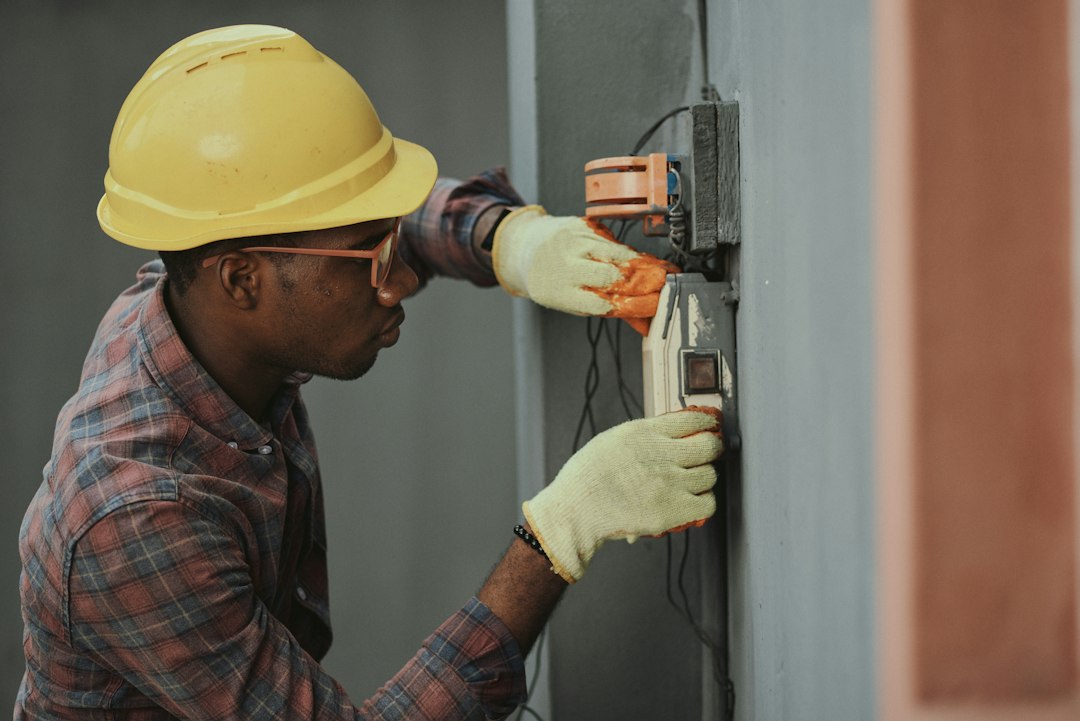
The technician will inspect all electrical connections and components. This includes checking the thermostat, circuit boards, relays, and wiring. Ensuring these elements are in good working order helps prevent future breakdowns.
Cleaning and Maintenance Tasks
During the inspection, the technician will often perform some basic maintenance tasks. This can include cleaning or replacing air filters, removing debris from around the outdoor unit, and cleaning blower components. These tasks help improve efficiency and prolong the life of your system.
Refrigerant Level Check
For air conditioning systems, checking the refrigerant levels is crucial. The technician will measure these levels to ensure they match the manufacturer’s specifications. Low refrigerant can indicate a leak, which needs to be addressed promptly.
Final Report and Recommendations
After completing the inspection, the technician will provide a report of their findings. This report will highlight any issues discovered and recommend repairs or replacements. It’s essential to address these recommendations to maintain your system’s efficiency and safety.
Regular HVAC inspections can catch minor issues before they turn into costly repairs.
Next Steps After Your Inspection
Once the inspection is finished, review the technician’s report carefully. If you need follow-up work, consider contacting a local contractor. For example, if you’re in Toronto or Calgary, you can find contractors in your area.