To maximize heat retention in your home without spiking heating bills, focus on improving insulation and using thermal curtains. These strategies will help keep the warmth in and the cold out, reducing the need for extra heating.
Focus on Insulation
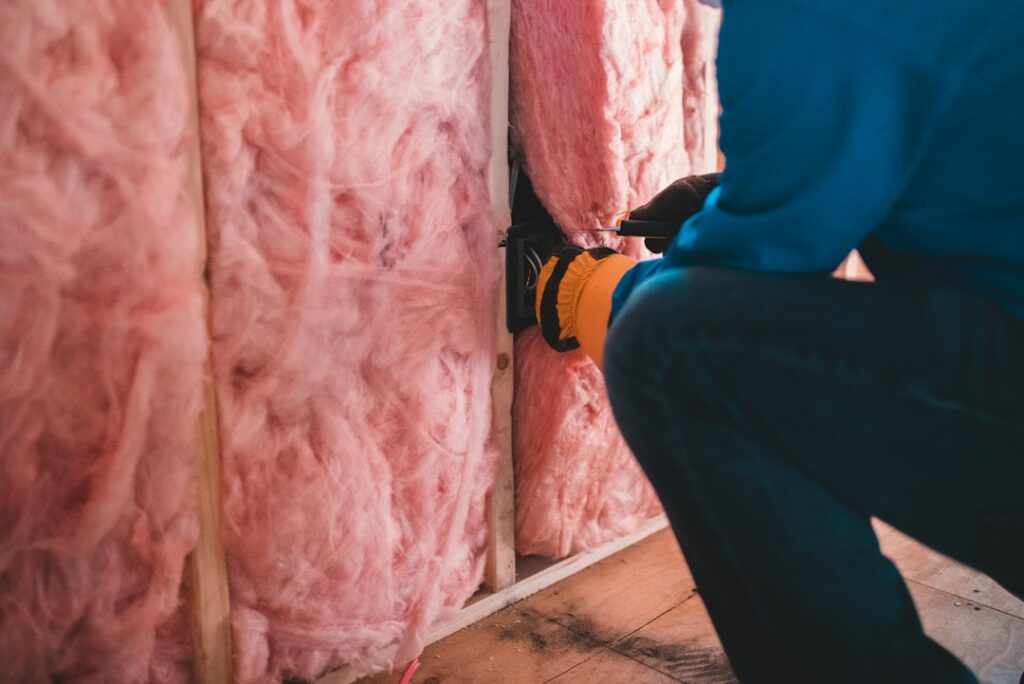
Insulation is the backbone of heat retention. Start by checking your attic, walls, and floors for adequate insulation. If your home is older, it might not meet current standards, and adding more insulation can make a significant difference.
- Attic insulation: Heat rises, so ensuring your attic is well-insulated is crucial. Consider materials like fiberglass or spray foam.
- Wall insulation: If you can, add insulation to exterior walls. It’s a more complex job but can be worthwhile.
- Floor insulation: Don’t forget floors above unheated spaces, like garages or basements.
Use Thermal Curtains
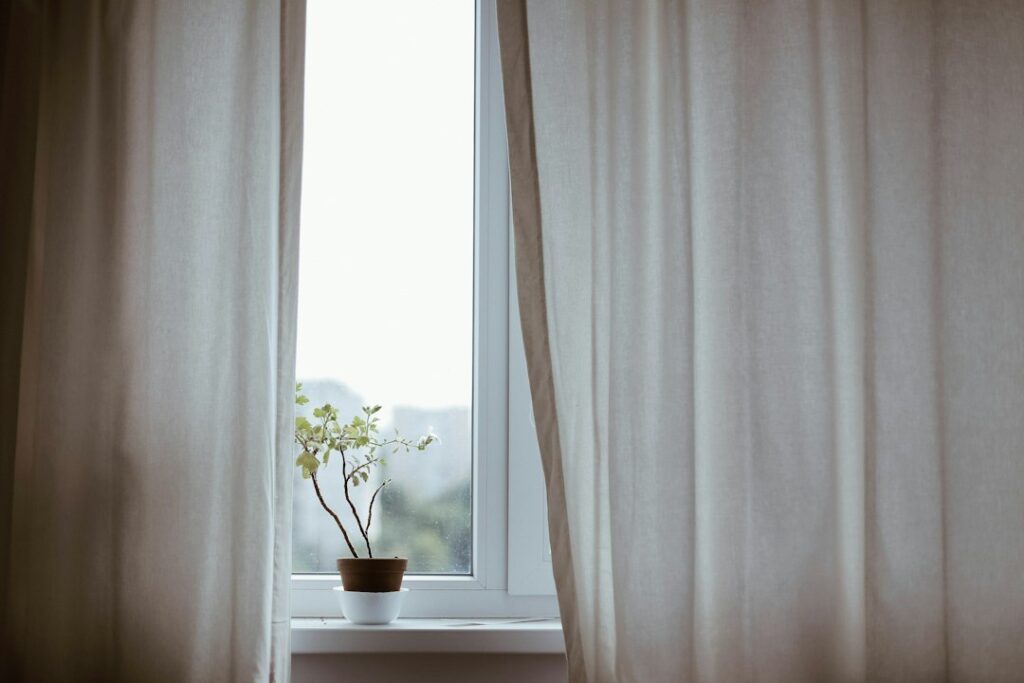
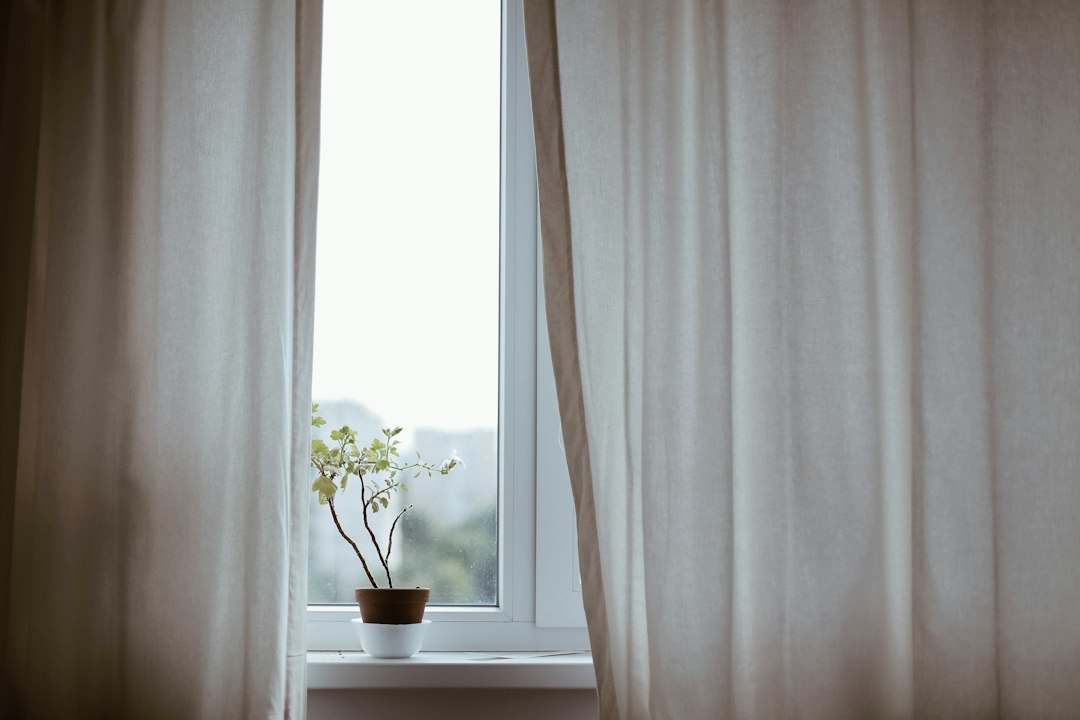
Windows are a major source of heat loss. Installing thermal curtains can reduce this significantly. These curtains have a special backing that helps block drafts and retain heat.
Ensure you close them at night to keep the warmth in. During the day, open them to let in natural sunlight, which can also help warm your space.
“The right insulation and window treatments are the most effective ways to keep your home warm without increasing heating bills.”
Seal Drafts
Drafts can let cold air in and warm air out, making your heating system work harder. Check for drafts around windows, doors, and other openings. Use weatherstripping or caulking to seal these gaps.
Even small gaps can lead to significant heat loss, so it’s worth taking the time to address them.
Upgrade to Energy-Efficient Windows
If your budget allows, consider upgrading to energy-efficient windows. These windows have multiple panes and are often filled with gas, providing better insulation than single-pane windows.
Look for windows with a low U-factor, which indicates better insulating properties.
Regular HVAC Maintenance
Keeping your heating system in top shape is crucial for efficiency. Regular maintenance ensures your system is running efficiently, minimizing wasted energy.
Find a trusted HVAC contractor to perform annual check-ups and keep everything running smoothly.
Practical Steps to Take Now
Beyond major upgrades, you can take smaller steps to improve heat retention. Use door snakes to block drafts under doors, and cover keyholes and mail slots. Every little bit helps in keeping your home cozy.
Frequently asked questions
How can I tell if my home is well-insulated?
Check for cold spots or drafts in your home, which may indicate poor insulation. An energy audit can also provide a detailed assessment of your insulation needs.
Are thermal curtains worth the investment?
Yes, thermal curtains can significantly reduce heat loss through windows, especially during the colder months. They are a cost-effective way to enhance energy efficiency.
How often should I have my HVAC system serviced?
It's recommended to have your HVAC system serviced annually. Regular maintenance helps ensure efficient operation, which can improve heat retention and lower energy bills.
What type of insulation is best for attics?
Fiberglass and spray foam are popular choices for attic insulation. Fiberglass is cost-effective, while spray foam offers superior sealing properties.