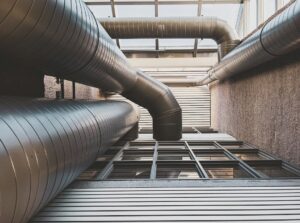

Insulating your ductwork can significantly improve your home’s energy efficiency, saving you money on heating and cooling bills. It involves wrapping the ducts with insulation material to reduce heat loss or gain. A well-insulated duct system ensures that the conditioned air reaches your rooms without losing energy along the way.
Why Insulate Your Ductwork?
Uninsulated ductwork can lead to substantial energy losses, especially if they pass through unconditioned spaces like attics or basements. Insulating them minimizes this loss, ensuring that more of the heated or cooled air reaches its destination efficiently. This not only enhances comfort but also helps in reducing your overall energy bills.
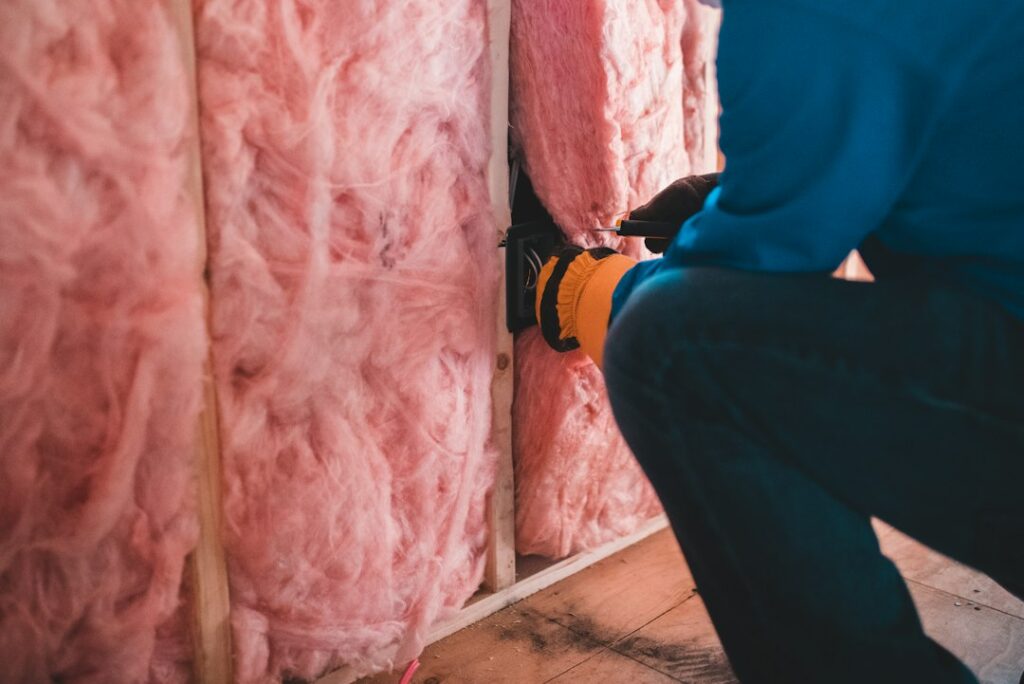
Choosing the Right Insulation Material
When selecting insulation for your ductwork, you’ll encounter several materials:
- Fiberglass: Commonly used, it’s effective and affordable.
- Foam Board: Offers higher R-values but can be more expensive.
- Reflective Insulation: Ideal for spaces with high radiant heat.
The right choice depends on your budget, the specific needs of your home, and local climate conditions.
Steps to Insulate Your Ductwork
Insulating your ductwork involves a few key steps:
- Inspect the Ducts: Check for any leaks or damage that need repairing before insulation.
- Select the Insulation: Choose the material that suits your needs.
- Wrap the Ducts: Carefully wrap the ducts with the insulation, securing with tape or metal bands.
- Seal Joints: Use duct mastic or foil tape to seal any joints or seams.
Ensure that all exposed areas are covered for maximum efficiency.
When to Call a Professional
While insulating ductwork can be a DIY project, certain situations may require professional help. If your ductwork is hard to access or if there are significant repairs needed, hiring an expert is advisable. Professionals can also ensure that the insulation is installed correctly for optimal performance.
Consider reaching out to local professionals, such as those in Toronto or Calgary, for assistance.
Maintaining Insulated Ductwork
Once your ductwork is insulated, regular maintenance is vital. Inspect the insulation periodically for any wear or damage, and check the ductwork itself for leaks. Proper upkeep will ensure long-lasting efficiency and savings.
Insulating ductwork can significantly cut down on energy loss, making your home more comfortable and reducing your energy bills.
Practical Next Steps
Now that you understand the benefits and process of insulating ductwork, consider assessing your current system. If you’re unsure, a professional inspection can identify areas that would benefit most from insulation. Taking these steps can lead to a more comfortable and cost-effective home environment.