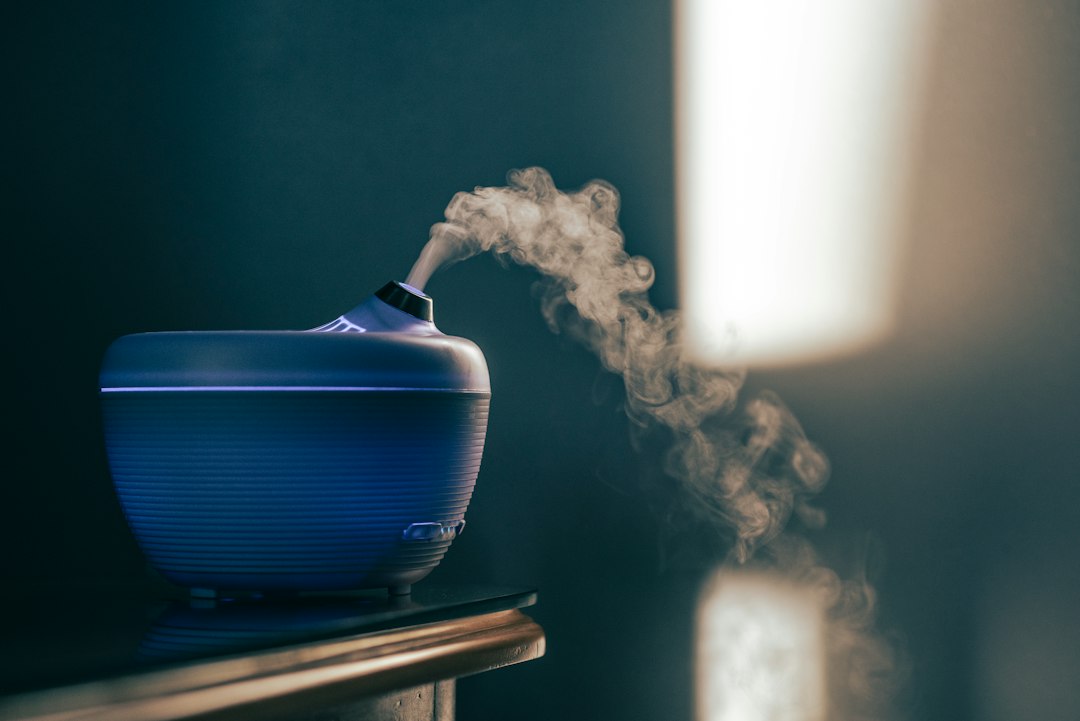
Proper humidity levels in your home can make your heating system more efficient. A humidifier adds moisture to the air, which can help you feel warmer at lower temperatures, potentially reducing your heating bills. Maintaining the right humidity level is a simple way to enhance home comfort and save money.
Why Humidity Matters
Humidity affects how warm or cold we feel. In winter, indoor air can become too dry. Dry air makes you feel colder because moisture evaporates from your skin more quickly. Adding humidity helps retain warmth, making your home feel more comfortable even when the thermostat is set lower.

Optimal Humidity Levels
The ideal indoor humidity level is between 30% and 50%. During winter, try to keep it around 40% to avoid condensation on windows while still benefiting from the warmth. Humidifiers can help maintain this balance, especially in colder regions like Canada.
Types of Humidifiers
There are several types of humidifiers:
- Central Humidifiers: Installed as part of the HVAC system, they provide moisture throughout the entire home.
- Evaporators: Use a fan to blow air through a wet wick or filter, adding moisture to the air.
- Steam Vaporizers: Electrically powered, they boil water and release steam into the air.
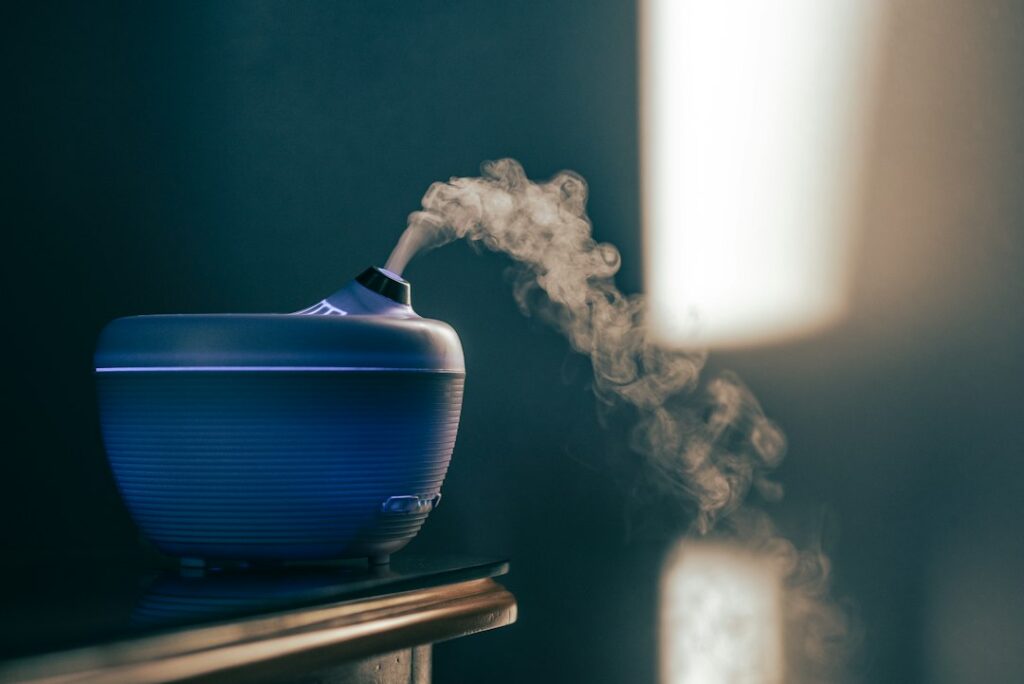
- Ultrasonic Humidifiers: Use ultrasonic vibrations to create a cool mist.
Choosing the right type depends on your home’s size and your specific needs.
Benefits of Using a Humidifier
Using a humidifier during the heating season offers several benefits:
- Saves energy by allowing you to set the thermostat lower.
- Prevents dry skin and irritation.
- Protects wooden furniture and floors from cracking.
- Reduces static electricity.
Maintaining proper humidity levels can make your home feel warmer and help you save on heating bills.
Potential Downsides
While beneficial, improper use of humidifiers can lead to problems. Too much humidity can cause condensation, leading to mold growth and structural damage. Regular maintenance is essential to prevent bacterial growth in the humidifier itself.
Practical Tips for Homeowners
Monitor Humidity Levels
Use a hygrometer to check indoor humidity levels and adjust your humidifier settings accordingly.
Regular Maintenance
Clean your humidifier regularly to prevent the buildup of mold and bacteria. Follow the manufacturer’s instructions for best results.
Consult Professionals
If you’re unsure about installation or maintenance, consider reaching out to HVAC professionals. For instance, homeowners in Ottawa can find local experts for assistance.
Final Thoughts
Adding a humidifier to your home can improve heating efficiency and comfort. By maintaining optimal humidity levels, you can enjoy a warmer home and potentially lower heating costs.
Frequently asked questions
What are the energy savings from using a humidifier?
Using a humidifier can help your home feel warmer at lower temperatures, potentially reducing heating costs. Exact savings depend on your heating system and local climate.
How do I maintain a humidifier?
Regularly clean your humidifier following the manufacturer's instructions. This prevents mold and bacteria growth, ensuring optimal performance.
Can a humidifier cause mold in my home?
Yes, if humidity levels are too high, it can cause condensation and mold. Keep humidity between 30% and 50% to avoid this issue.
What type of humidifier is best for large homes?
Central humidifiers are ideal for large homes as they integrate with the HVAC system and provide consistent moisture throughout the house.
Do humidifiers require professional installation?
Portable humidifiers do not, but central humidifiers often require professional installation. Consult with an HVAC contractor for advice.