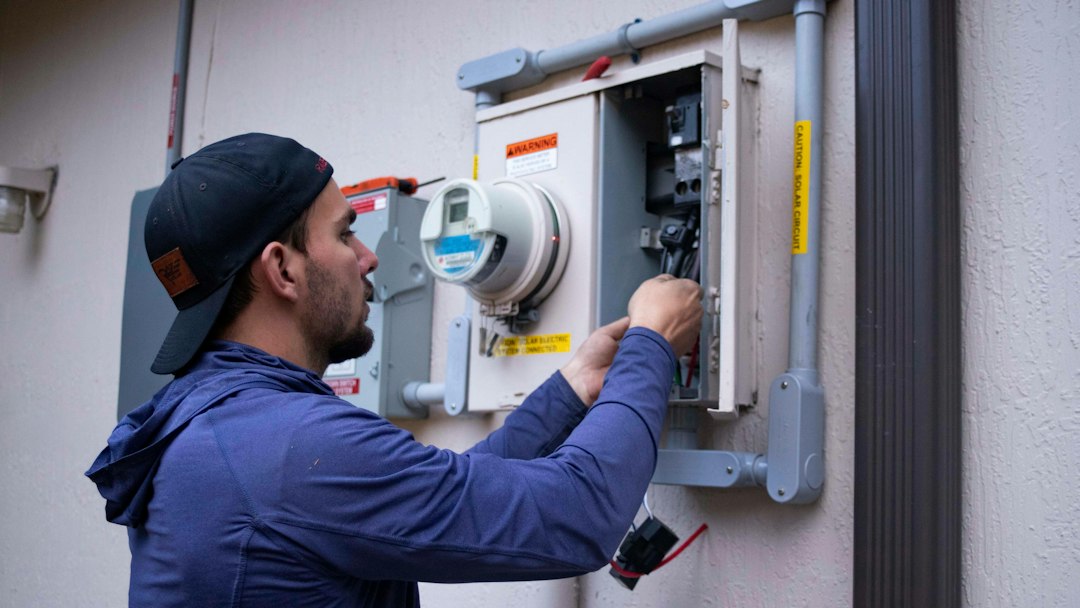
Emergency HVAC repair is necessary when system issues pose immediate risks to your health or could cause significant damage if not addressed quickly. Common urgent situations include gas leaks, electrical issues, and complete system failures during extreme weather.
Gas Leaks
Gas leaks are a critical emergency that requires immediate attention. If you smell gas, hear hissing sounds near your system, or see a spike in your gas bill, you should evacuate the area and call for professional help immediately. Gas leaks can lead to explosions or serious health problems.
Electrical Issues
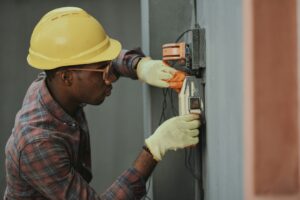
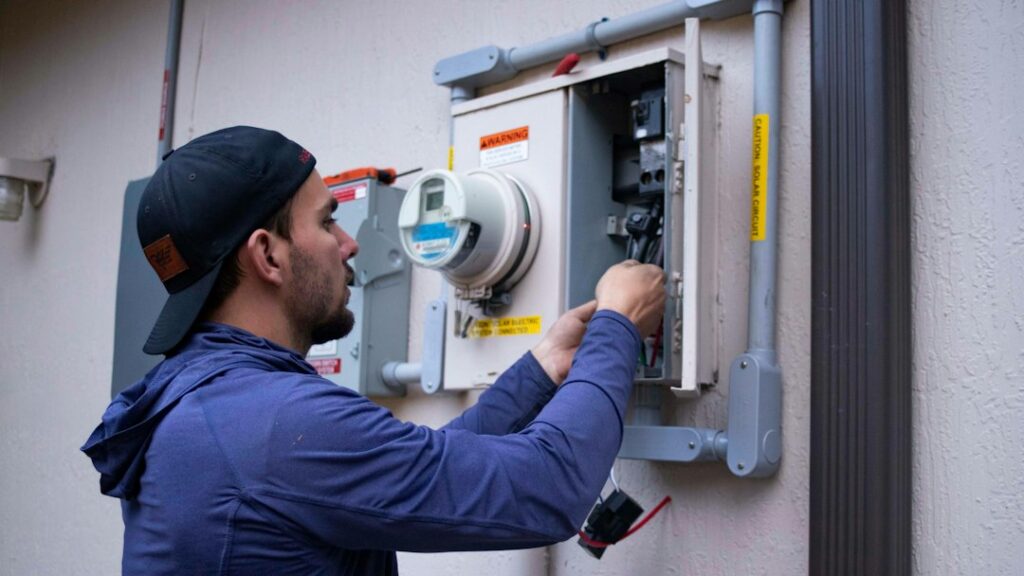
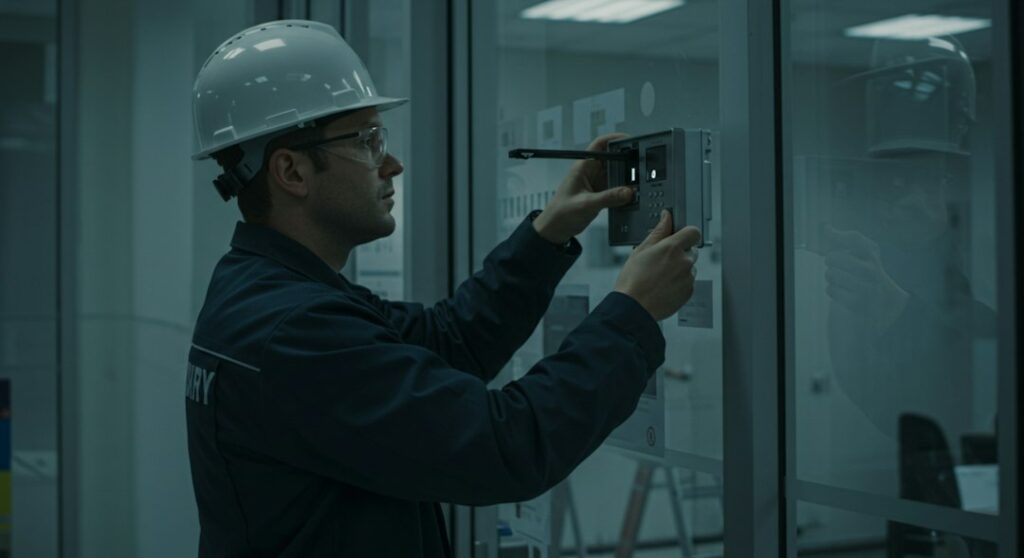
Any electrical problem, such as sparking, smoking, or a system that frequently trips breakers, is an emergency. Electrical issues can cause fires or permanent damage to your HVAC unit if not resolved quickly.
System Failures in Extreme Weather
When your HVAC system fails during extreme cold or heat, the situation can quickly become dangerous, especially for vulnerable populations. In these cases, arrange for urgent repair to restore heating or cooling as soon as possible.
Refrigerant Leaks
Refrigerant leaks not only reduce your system’s cooling efficiency but can also harm the environment. If you notice warm air coming from your AC or see ice build-up on the unit, it’s time to call a professional.
Water Leaks
Water leaks can lead to mold growth and structural damage. If you see water pooling around your HVAC system or notice water damage, you should call for repair to prevent further problems.
Not every HVAC issue is an emergency, but gas leaks, electrical problems, and system failures during extreme weather need immediate attention.
Carbon Monoxide Concerns
If your carbon monoxide detector goes off, or if you start experiencing symptoms like headaches or dizziness, leave the premises immediately and contact emergency services. A faulty HVAC system can be a source of carbon monoxide leaks.
Practical Next Steps: If you suspect an emergency HVAC issue, prioritize safety by evacuating when necessary and contacting a professional. For non-urgent repairs, find a reliable contractor through our directory.
Frequently asked questions
What are the signs of a gas leak in an HVAC system?
The signs of a gas leak include a rotten egg smell, hissing sounds, and an unexpected increase in your gas bill. It's crucial to act immediately by evacuating and calling for professional help.
How do I know if an electrical issue is serious?
Serious electrical issues often involve sparking, smoke, or frequent tripping of breakers. These signs indicate a risk of fire or damage and require immediate professional attention.
Why is refrigerant leaking considered urgent?
Refrigerant leaks reduce cooling efficiency, harm the environment, and can cause damage to your AC system. If you notice warm air or ice build-up, it's time to call a technician.
When should I contact a professional for water leaks?
Contact a professional if you see water pooling around your HVAC unit or notice water damage. Prompt repair can prevent mold growth and structural issues.
What should I do if my carbon monoxide detector alerts?
Immediately leave the premises and contact emergency services. Do not ignore the alarm, as carbon monoxide can be lethal and indicates a potentially serious HVAC issue.