Applying window film can significantly enhance your home’s HVAC efficiency. By improving the thermal performance of your windows, window films help reduce energy costs and minimize the strain on your heating and cooling systems. This simple addition can make a noticeable difference, especially in homes with older windows.
What Are Window Films?
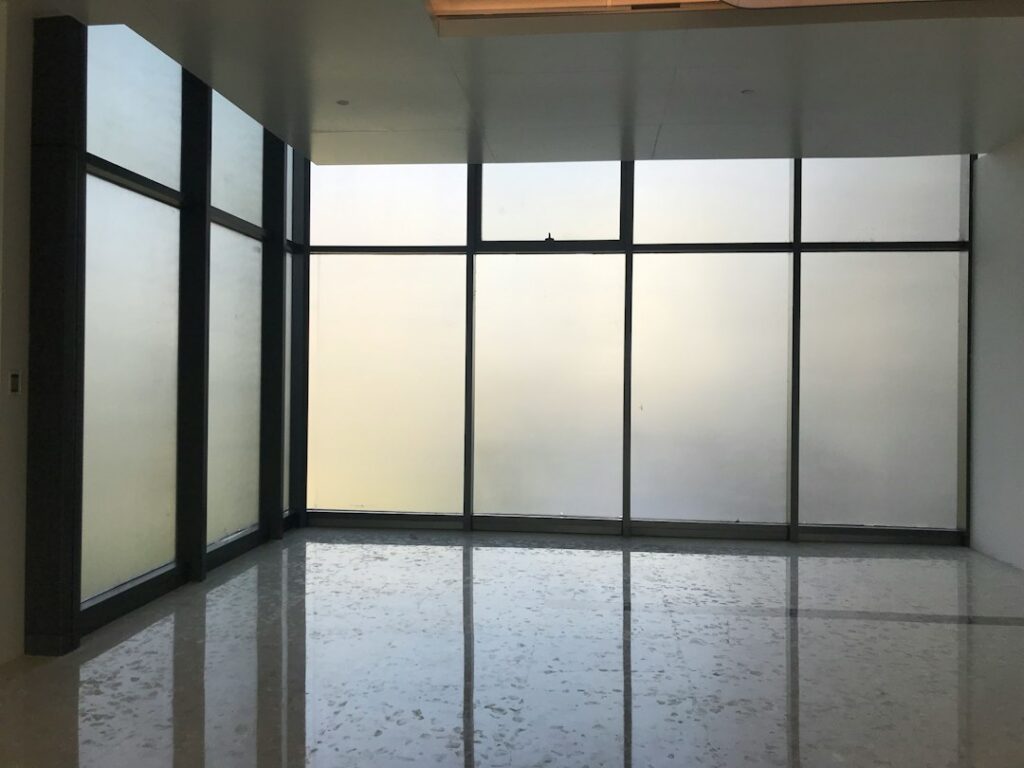
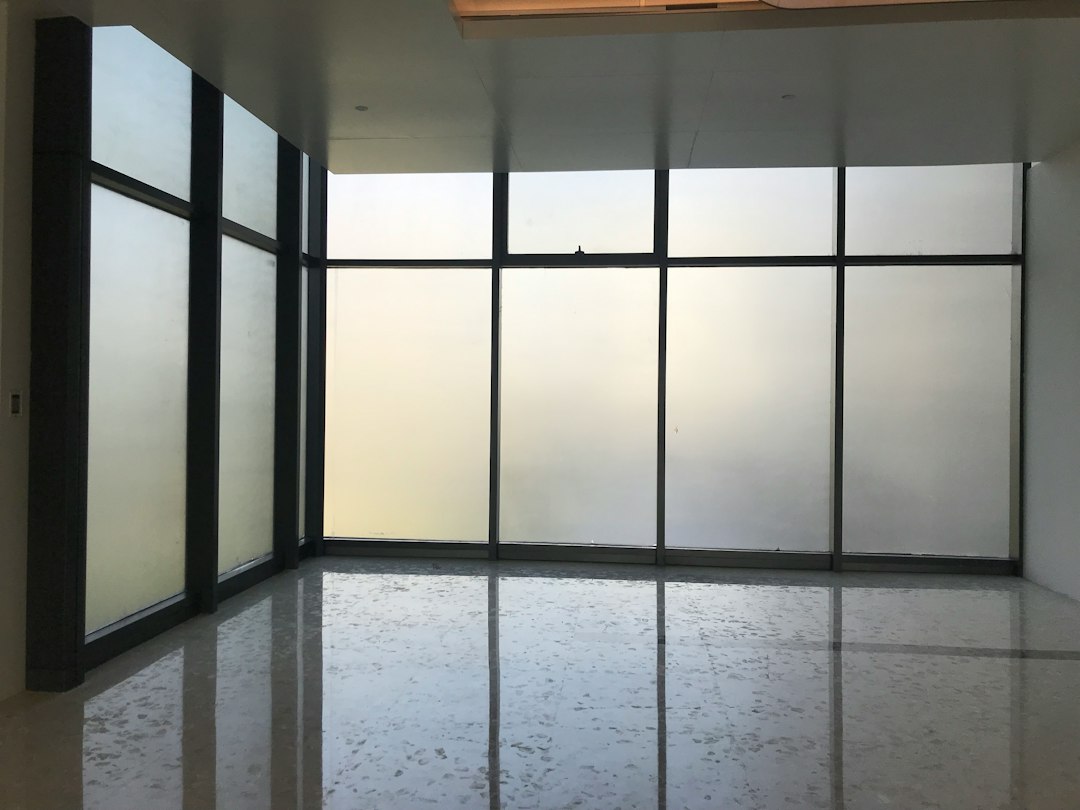
Window films are thin, multi-layered polyester or plastic materials applied to the interior surface of glass windows. They come in various types, including solar control, decorative, and security films. The most relevant for improving HVAC efficiency are solar control films, which manage the amount of sunlight and heat passing through the glass.

How Window Films Improve Thermal Efficiency
Solar control window films work by reflecting and absorbing solar energy. They reduce the amount of heat that enters a home, keeping indoor temperatures more stable. This means your HVAC system doesn’t have to work as hard to maintain a comfortable temperature, leading to lower energy consumption.
- Heat Reduction: Films block up to 80% of solar heat gain, which is particularly beneficial during hot summer months.
- Glare Reduction: By minimizing glare, window films improve comfort and reduce the need for additional cooling.
- UV Protection: These films block up to 99% of UV rays, which can damage furniture and flooring over time.
Benefits for HVAC Systems
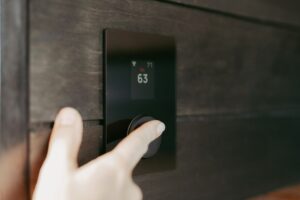
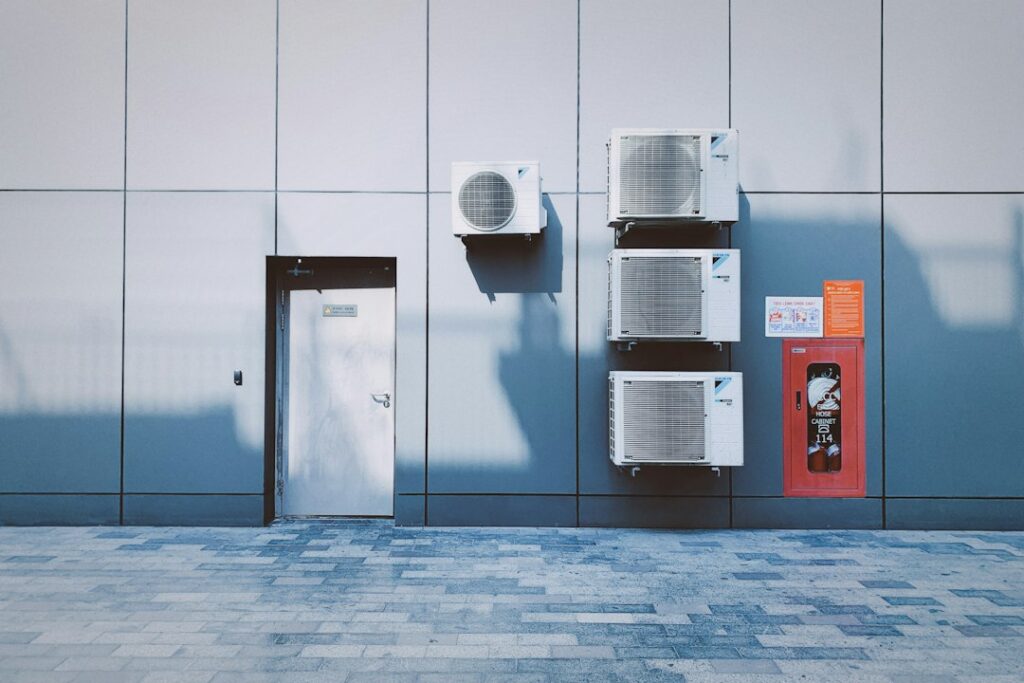
By reducing the heat load entering your home, window films allow your HVAC system to operate more efficiently. This can extend the life of your system by reducing wear and tear.
“Window films can reduce the workload on your HVAC system, leading to lower energy costs and longer equipment lifespan.”
With less strain, your HVAC system requires fewer repairs and maintenance visits, offering potential savings over time. If you’re considering upgrading your HVAC system, connecting with local contractors in Toronto or Calgary can provide further insights.
Installation Considerations
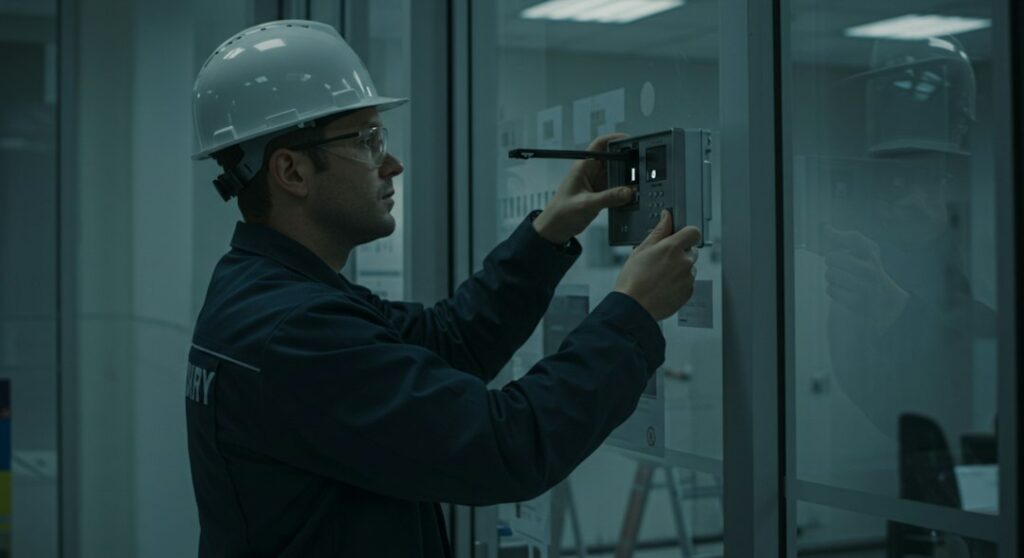
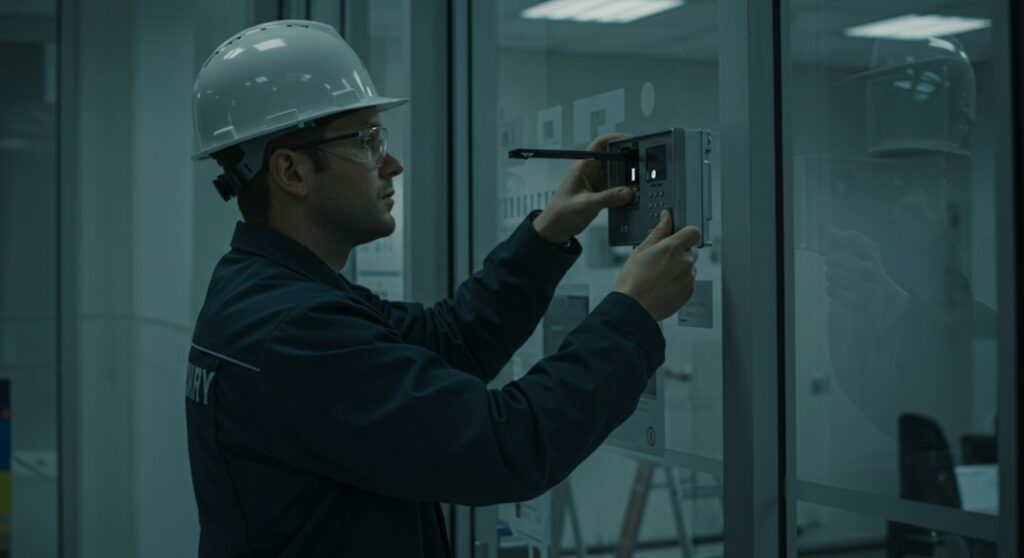
Installing window film is generally a straightforward process, but professional installation might be necessary for larger or high windows to ensure the best results. Professionals can also help choose the right type of film based on your specific needs and window orientation.
For those with a DIY spirit, ensure you follow manufacturer instructions carefully to avoid bubbles or creases in the film.
Cost and Return on Investment
The cost of window films varies based on the type and size needed. While there’s an initial investment, the potential energy savings and extended HVAC lifespan can offer a good return over time. Keep in mind that energy savings will vary depending on factors like window orientation, climate, and existing window quality.
Choosing the Right Window Film
Different films offer varying levels of tint, reflectivity, and performance. Consider the climate in your area and the orientation of your windows. A professional can provide advice tailored to your specific situation. Remember, the right choice can significantly impact the comfort and efficiency of your home.
Whether you’re in Edmonton or Montreal, adapting your home for better energy efficiency with window films is a practical step forward.
Applying window film is a practical measure to improve your home’s energy efficiency. By reducing heat gain and easing the workload on your HVAC system, it provides an environmentally friendly solution that can also save you money in the long run.