To keep your home’s HVAC system efficient during extreme temperature swings, ensure regular maintenance, use programmable thermostats, and seal any air leaks. These steps help your system adapt quickly to sudden weather changes, maintaining comfort and reducing energy consumption.
Regular Maintenance is Key
Consistent maintenance of your HVAC system is crucial during extreme weather. Schedule professional check-ups at least twice a year, ideally before the heating and cooling seasons. These check-ups can identify and fix potential issues before they become costly problems.
- Replace air filters every 1-3 months to ensure optimal airflow.
- Inspect and clean evaporator and condenser coils yearly.
- Check refrigerant levels and adjust if necessary.
Regular maintenance not only prolongs the life of your equipment but also ensures it runs efficiently during temperature extremes.

Utilize a Programmable Thermostat
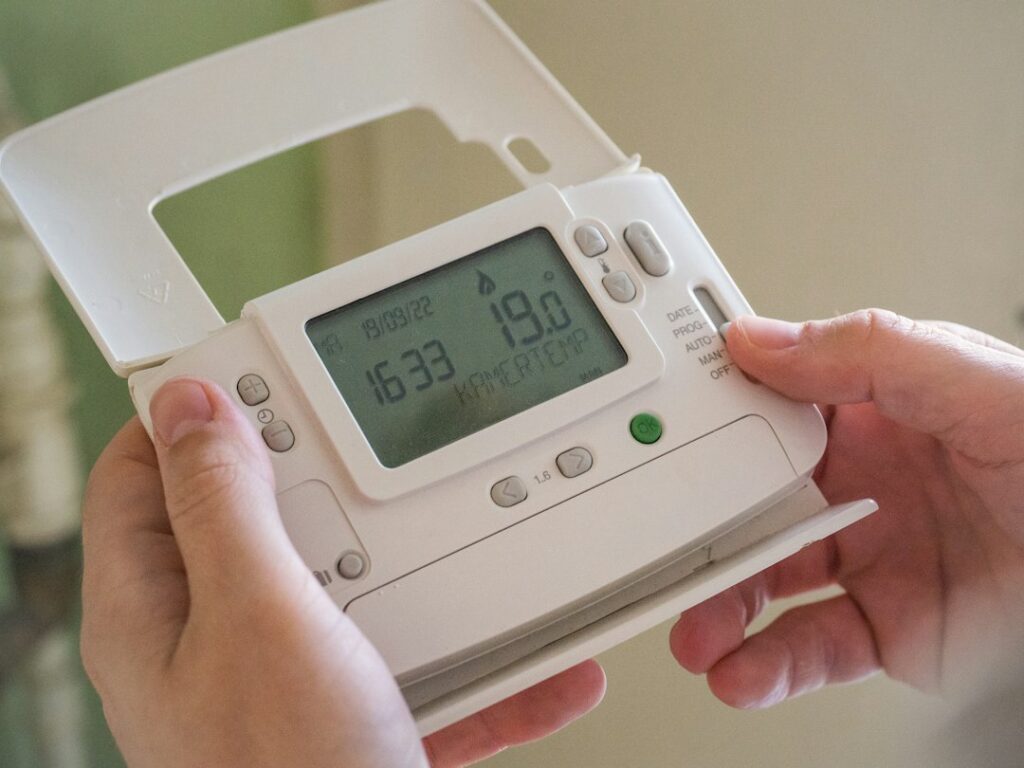
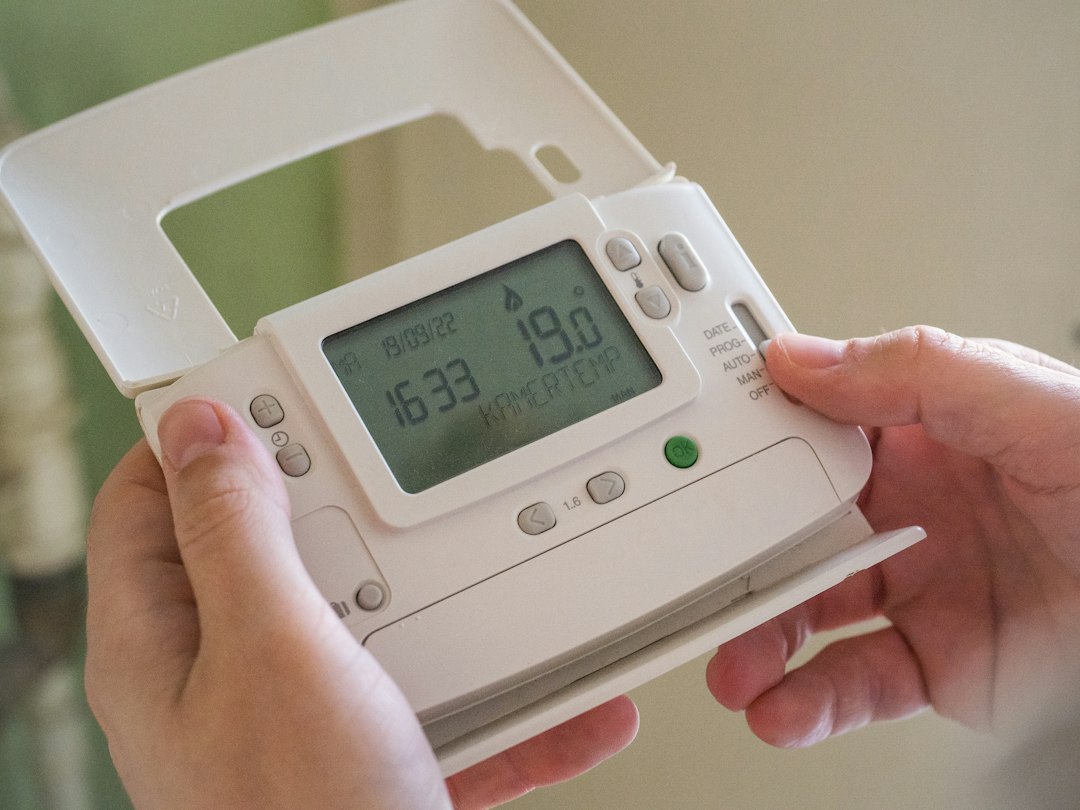
A programmable thermostat is a valuable tool for managing temperature fluctuations. Set it to adjust temperatures automatically based on your schedule, which helps reduce energy usage and maintain comfort.
Benefits of Smart Thermostats
Consider upgrading to a smart thermostat for even greater control. These devices learn your habits and adjust settings for maximum efficiency, especially during unpredictable weather.
Seal Air Leaks
Air leaks in your home can significantly affect HVAC performance during extreme temperatures. Inspect your home for leaks around windows, doors, and ductwork. Use weather stripping or caulk to seal these areas.
Sealing air leaks reduces the workload on your HVAC system, leading to energy savings and improved comfort.
By preventing the loss of conditioned air, your system will work less to maintain the desired temperature.
Insulate Your Home
Proper insulation is vital in maintaining a stable indoor temperature despite external conditions. Ensure your attic, walls, and floors are adequately insulated to prevent heat loss in winter and heat gain in summer.
Check insulation levels and consider adding more if needed. This can significantly impact your home’s comfort and your energy bills.
Consider HVAC Zoning
HVAC zoning allows for targeted heating and cooling in different areas of your home. This system uses multiple thermostats to control temperatures in specific zones, reducing energy waste and improving comfort during temperature swings.
Consult with a professional to determine if zoning is a viable option for your home. You can find local experts through our contractor directory.
Emergency Preparedness
Extreme weather can sometimes lead to unexpected HVAC failures. Prepare for emergencies by having a plan in place. Know who to call for quick repairs and consider a maintenance contract with a local contractor for priority service during high-demand periods.
For residents in major cities like Toronto or Calgary, finding reliable contractors can ensure your system is up and running when you need it most.
Stay Proactive
Maintaining your HVAC system’s efficiency during extreme temperature swings requires proactive measures. Regular maintenance, smart technology, and proper insulation are key strategies. Stay prepared, and your home will remain comfortable regardless of what the weather throws at you.