To choose the best air purifier for allergies, focus on units with HEPA filters, as they effectively remove allergens. Consider the size of your space to ensure the purifier you choose can handle the area efficiently. Avoid ionizers and ozone generators, which can irritate allergies more.
Understanding Air Purifier Features for Allergies
When selecting an air purifier for allergies, the most important feature to look for is a HEPA filter. HEPA filters capture particles as small as 0.3 microns, including pollen, dust mites, and pet dander, which are common allergens.
Activated carbon filters are another useful feature. They help reduce odors and volatile organic compounds (VOCs), which can exacerbate allergies.
Matching Purifier Size to Your Room
The effectiveness of an air purifier largely depends on its ability to circulate air throughout your space. Check the purifier’s Clean Air Delivery Rate (CADR) and compare it to your room size. A higher CADR means faster air cleaning.
For larger areas, you might need a purifier with a higher CADR or consider multiple units. Most manufacturers provide guidelines on room size compatibility.
Energy Efficiency Considerations
Running an air purifier continuously can increase energy bills. Look for units with the Energy Star label to ensure efficiency. Many purifiers also have auto modes that adjust the fan speed based on air quality, which can save energy.
While energy-efficient models may cost more upfront, they can save money over time through reduced electricity use.
Noise Levels
Air purifiers can be noisy, especially on higher settings. Check the decibel (dB) ratings, particularly if the unit will be in a bedroom or living area where quiet is important. Models with sleep or night modes often operate at lower noise levels.
Maintenance and Filter Replacement
Regular maintenance is crucial for optimal performance. Filters need replacing every 6 to 12 months, depending on usage and model. This cost should be factored into your budget. Check availability and price of replacement filters before buying.
The right air purifier for allergies will have a HEPA filter and match your room’s size for effective allergen removal.
Where to Buy and Install
Air purifiers are widely available online and in stores across Canada. Consider consulting with a local HVAC professional for advice tailored to your home and allergies. You can find contractors in your area, like Toronto or Calgary, for installation guidance.
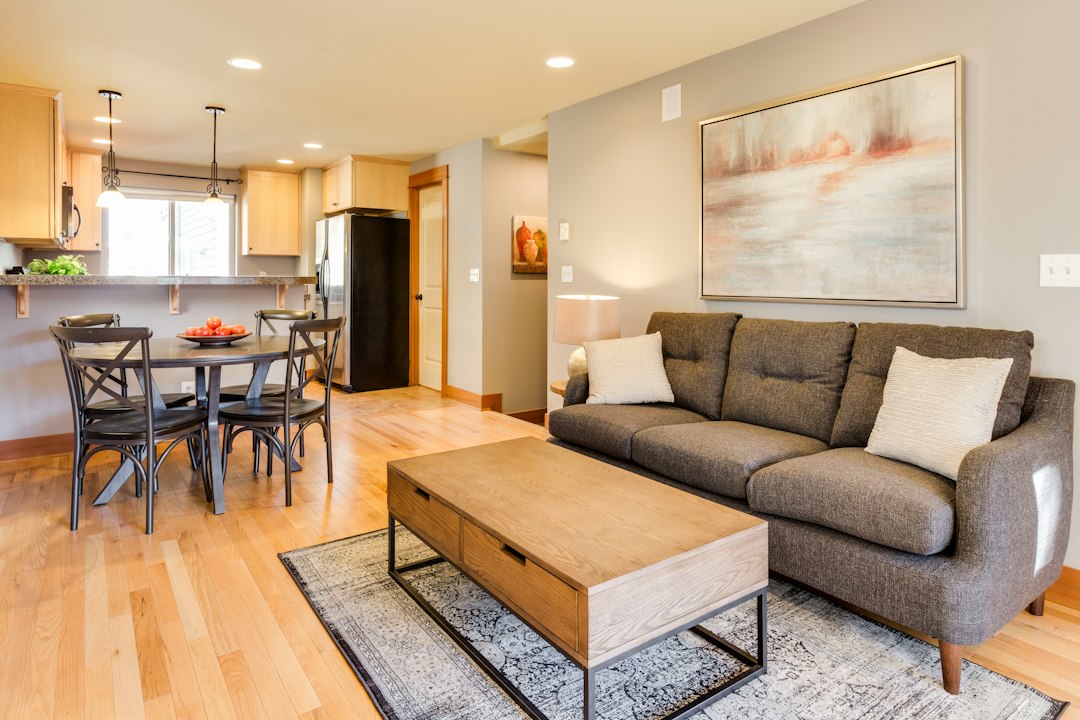
Once you choose an air purifier, place it where you spend the most time, such as a bedroom or living room, for maximum benefit.
Frequently asked questions
What is a HEPA filter?
A HEPA filter is a type of air filter that captures at least 99.97% of particles as small as 0.3 microns, including dust, pollen, and pet dander.
How often should I change the air purifier filter?
Most air purifier filters should be changed every 6 to 12 months, but this can vary based on usage and specific model instructions.
Are air purifiers with ionizers safe for allergies?
Ionizers can produce ozone, which may irritate the lungs and worsen allergy symptoms. It's best to avoid them if you have allergies.
Do air purifiers help with pet allergies?
Yes, air purifiers with HEPA filters capture pet dander, a common allergen, reducing symptoms for those with pet allergies.
Can air purifiers remove smoke from the air?
Air purifiers with HEPA and activated carbon filters can help reduce smoke particles and odors, improving indoor air quality.