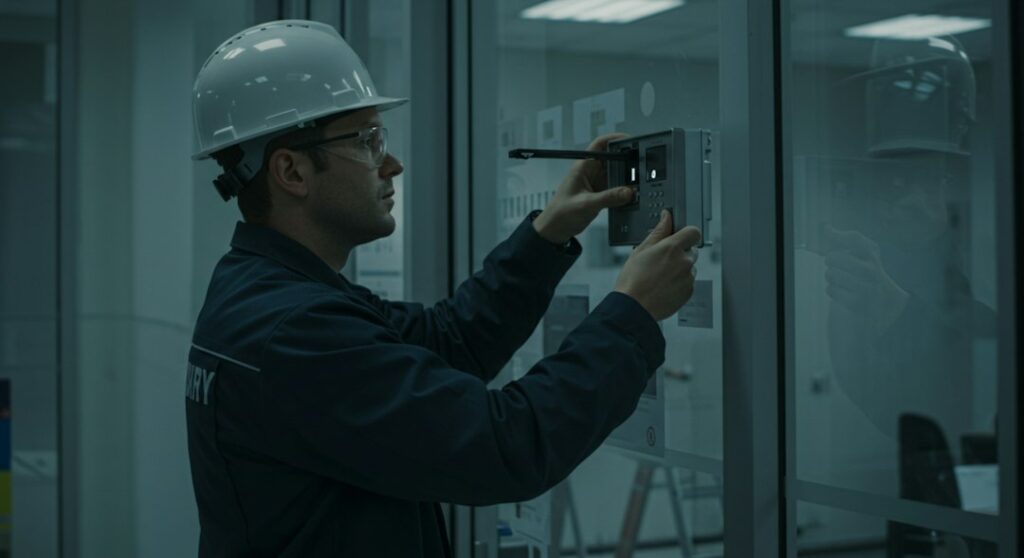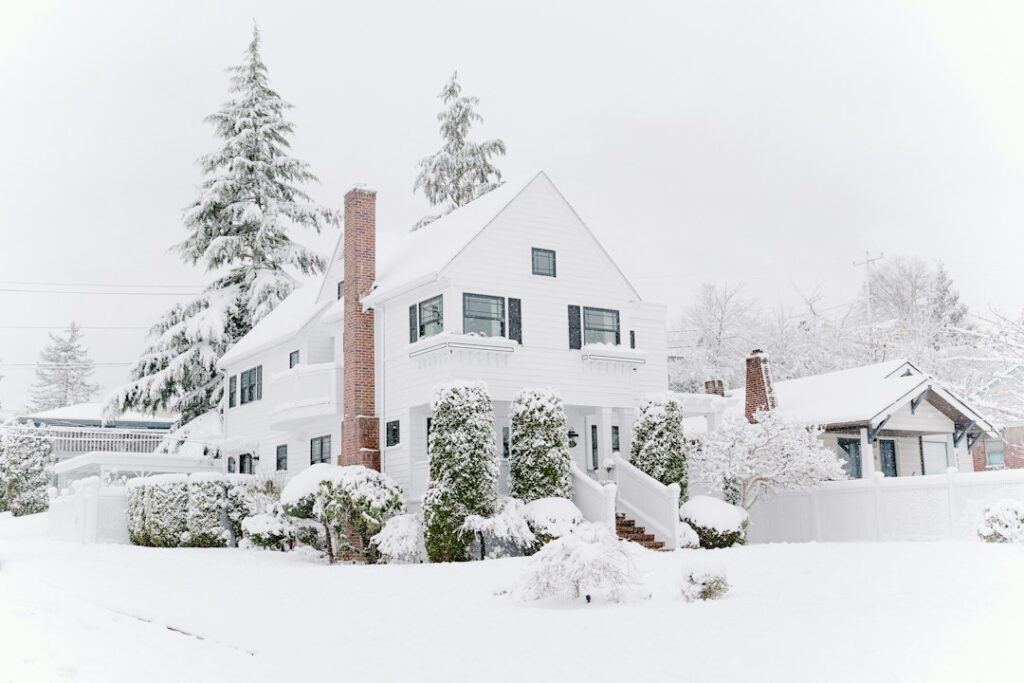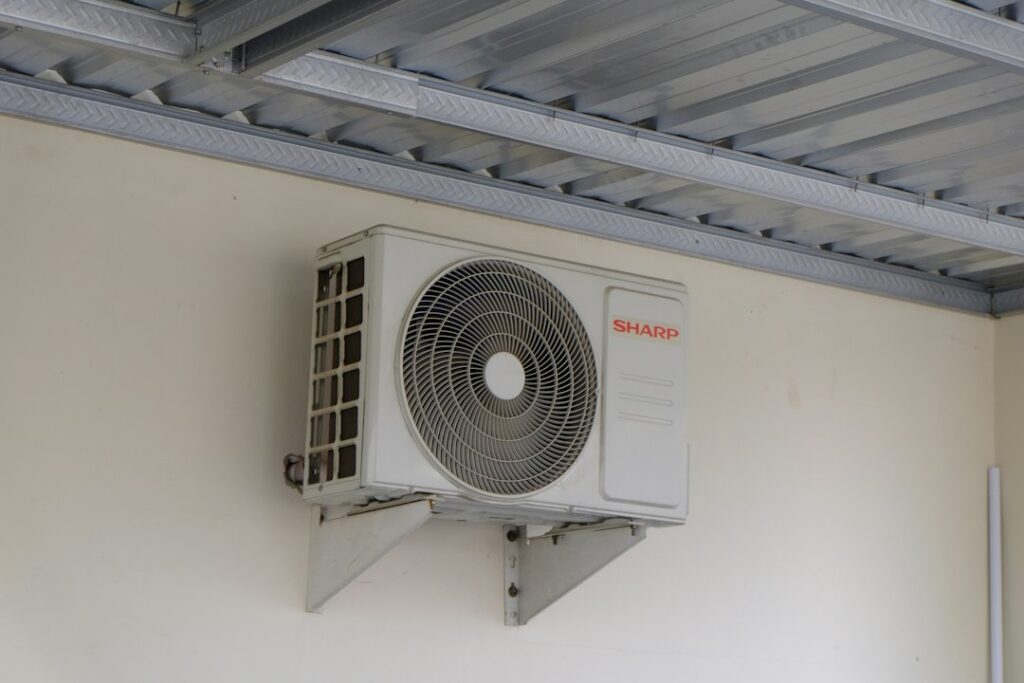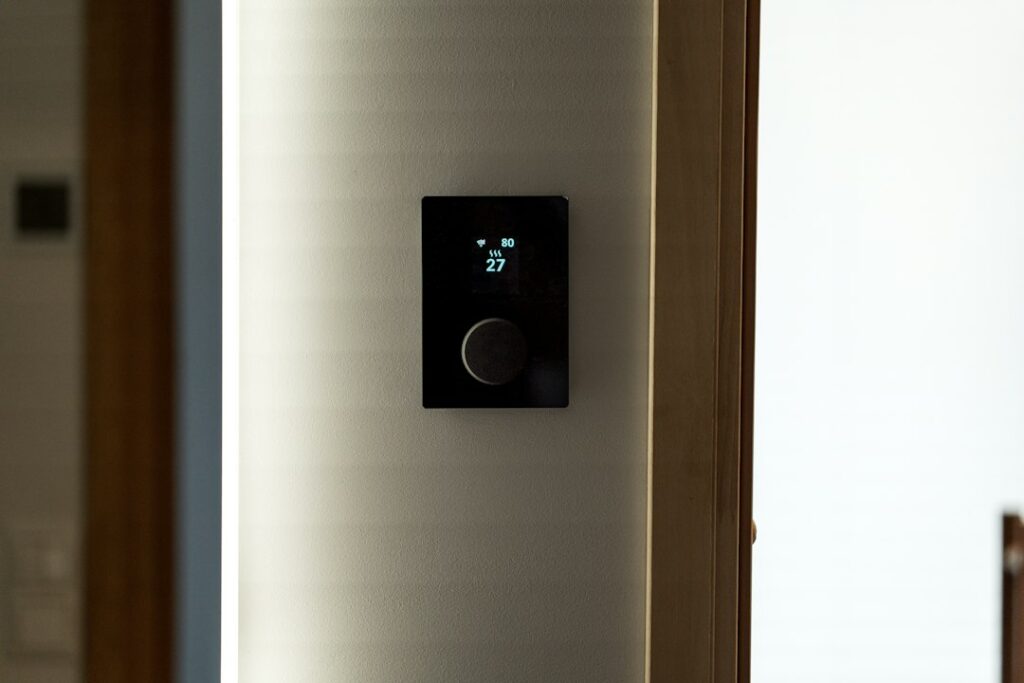
Proper air sealing can significantly enhance HVAC efficiency by preventing unwanted airflow between the inside and outside of your home. This reduces energy loss, ensuring your heating and cooling systems work less hard to maintain the desired indoor temperature, ultimately lowering your energy costs.
What is Air Sealing?
Air sealing involves closing gaps and cracks in a building’s envelope to prevent air leakage. Common areas requiring sealing include windows, doors, and ductwork. By sealing these areas, you reduce drafts and energy loss, contributing to a more comfortable and stable indoor environment.
Why Air Sealing Matters
Unsealed areas can lead to significant energy inefficiencies. When air escapes, your HVAC system must compensate by running longer and harder. This not only increases energy bills but also puts additional strain on your system, potentially shortening its lifespan.
Air sealing is like giving your HVAC system a break—it doesn’t have to work as hard, saving energy and money.
Impact on Energy Costs
By reducing air leakage, you can save a noticeable amount on your energy bills. According to Natural Resources Canada, proper air sealing can reduce heating and cooling costs by up to 20%. Though the exact savings will vary by home and region, the financial benefits are clear.
Regional Variations
The impact of air sealing can vary across Canada due to differences in climate. For instance, in colder areas like Calgary, sealing can prevent heat loss during harsh winters. In milder regions like Vancouver, the focus might be more on cooling efficiency during the summer.
Improving HVAC Performance
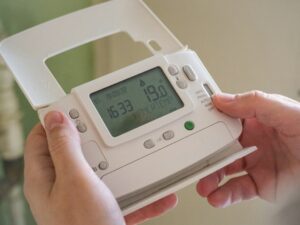
When your home is well-sealed, your HVAC system operates more efficiently. It can reach and maintain desired temperatures quicker and with less effort. This improvement not only reduces wear and tear but can also lead to fewer repair needs over time.
Finding Professional Help
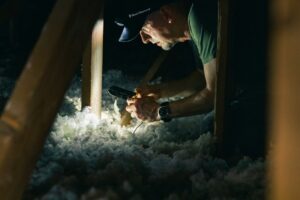
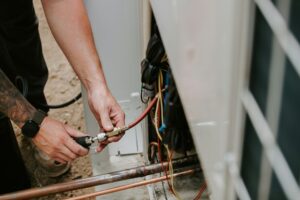
For effective air sealing, you might want to consider hiring a professional. Contractors can identify areas of leakage you might miss and ensure the job is done right. You can find qualified professionals in your area through our HVAC contractor directory.
Choosing the Right Contractor
Look for contractors with experience in energy efficiency. Reading reviews and asking for referrals can help you choose someone reliable. If you’re in Toronto or Calgary, you can find local experts here and here.
Practical Steps for Homeowners
While hiring a professional is recommended, there are simple steps you can take to start air sealing. Use weatherstripping around windows and doors, and seal visible gaps with caulk. Pay special attention to areas around plumbing, electrical outlets, and attic hatches.
Frequently asked questions
What materials are used for air sealing?
Common materials for air sealing include caulk, weatherstripping, and spray foam. These materials close gaps around windows, doors, and other areas prone to air leakage.
How do I know if my home needs air sealing?
Signs that your home may need air sealing include drafts, uneven temperatures, and higher-than-usual energy bills. A professional energy audit can provide a thorough assessment.
Can air sealing improve indoor air quality?
Yes, air sealing can improve indoor air quality by reducing the entry of dust, pollen, and outdoor pollutants. It also helps control humidity, minimizing the risk of mold growth.
Is air sealing a DIY project?
While some air sealing tasks, like applying weatherstripping, can be done by homeowners, a comprehensive sealing job may require professional expertise to ensure all leaks are addressed.
How often should I check my home for air leaks?
It's a good idea to inspect your home for air leaks annually, especially before the start of heating or cooling seasons. Regular checks can help maintain HVAC efficiency and comfort.