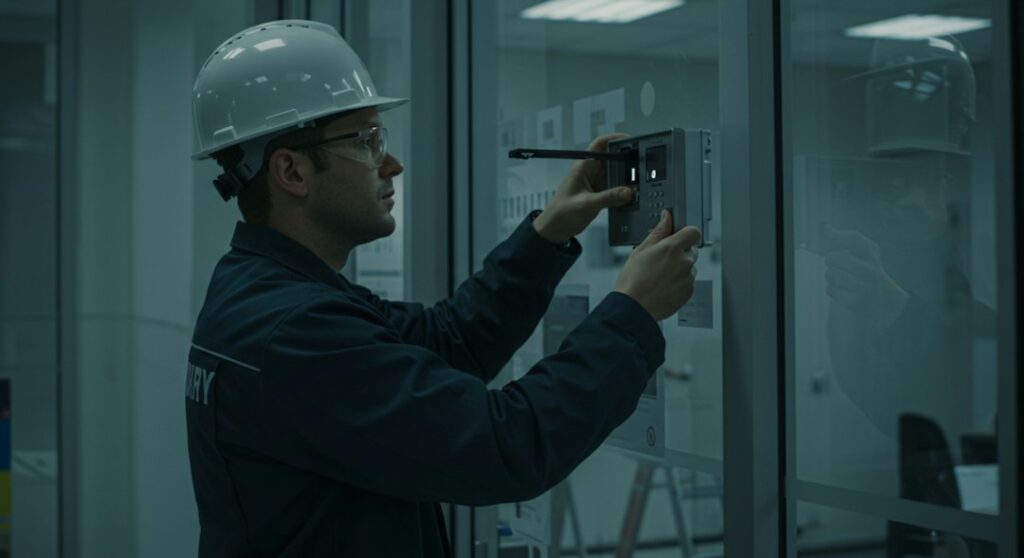
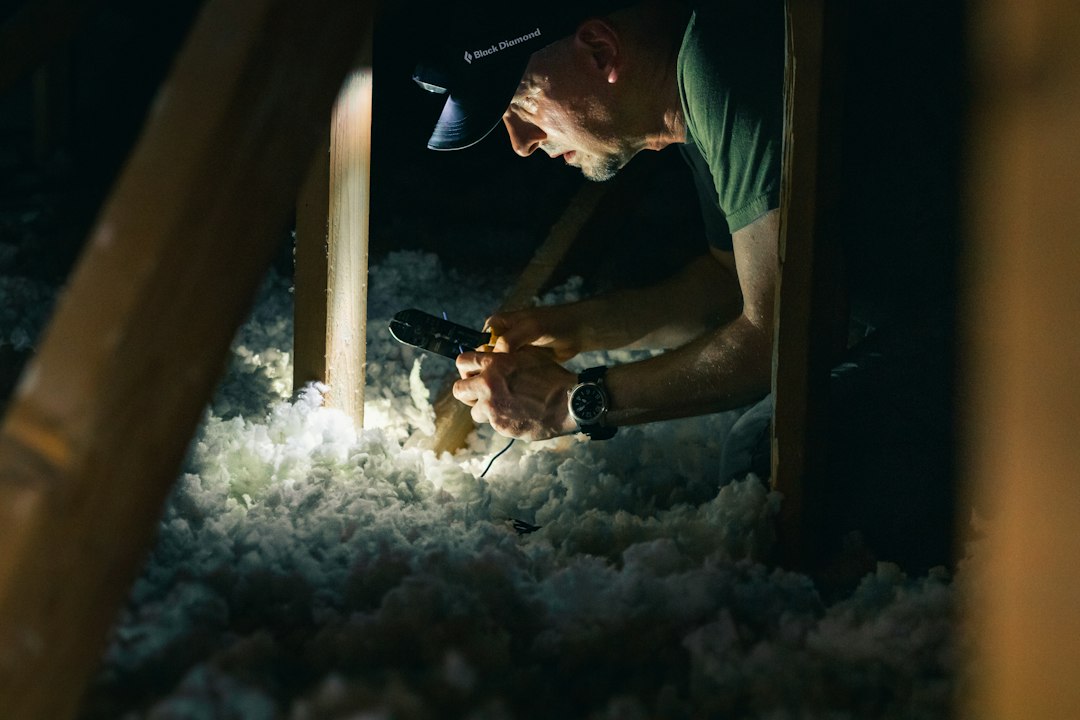
Insulation plays a crucial role in HVAC efficiency by reducing heat loss in winter and heat gain in summer. It ensures your system works less and saves energy, keeping your home comfortable. Without proper insulation, even the most advanced HVAC system can struggle to maintain desired temperatures.
Understanding Insulation Types
Different insulation materials have distinct properties that affect HVAC performance. Common types include fiberglass, foam board, spray foam, and cellulose. Each offers varying levels of thermal resistance, measured as R-value, which indicates how well they insulate.
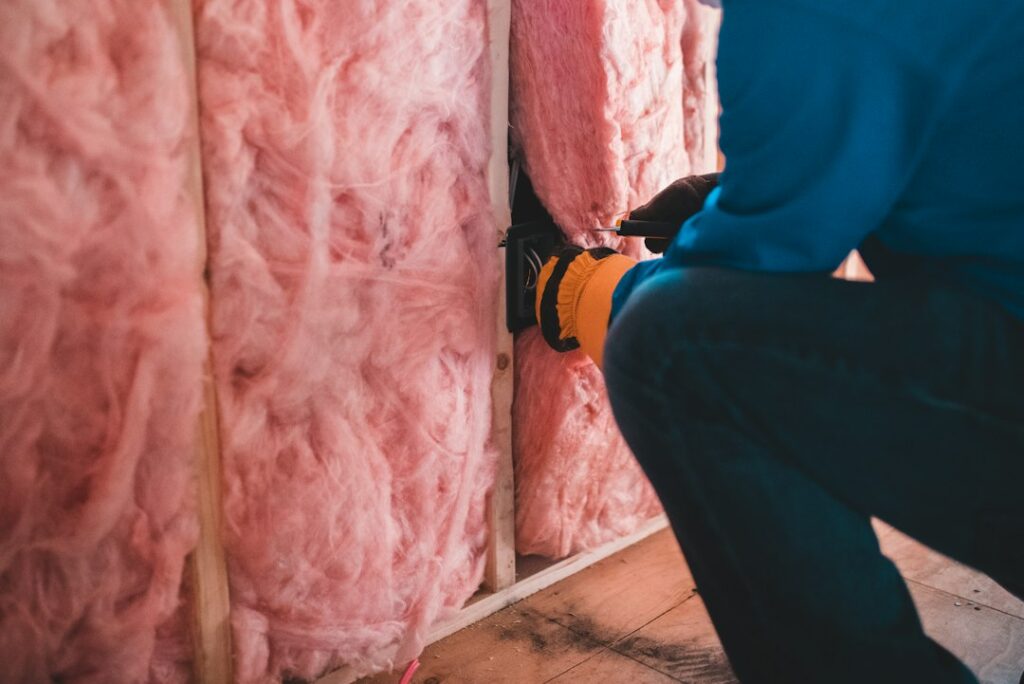
Fiberglass Insulation
Fiberglass is one of the most widely used insulation types. It’s effective and relatively inexpensive. Its R-value ranges from 2.2 to 4.3 per inch. Though easy to install, it can lose effectiveness if compressed or poorly installed.
Spray Foam Insulation
Spray foam provides both insulation and air sealing. It has a high R-value, generally between 3.5 and 6.5 per inch. With proper installation, spray foam can significantly enhance HVAC efficiency by minimizing air leakage.
Proper insulation not only boosts HVAC efficiency but also extends the lifespan of your system by reducing the workload.
Foam Board Insulation
Foam board insulation is often used in areas requiring high thermal resistance. It is durable and resistant to moisture, with an R-value between 3.6 and 8.0 per inch. It’s particularly effective in basements and exterior walls.
Cellulose Insulation
Made from recycled paper, cellulose is an eco-friendly choice. It has an R-value similar to fiberglass, around 3.1 to 3.8 per inch. Its ability to conform to spaces makes it effective at filling gaps and reducing air flow.
The Role of Insulation in Energy Efficiency
Insulation reduces the workload on your HVAC system by maintaining consistent indoor temperatures. This energy efficiency not only cuts down on energy bills but also decreases wear and tear, potentially extending the life of your HVAC system.
- Reduces energy consumption
- Lowers utility bills
- Maintains consistent indoor temperatures
- Decreases system wear and tear
For more detailed advice on choosing the right contractor for insulation and HVAC services, consider visiting our contractor directory.
Practical Steps to Improve Insulation
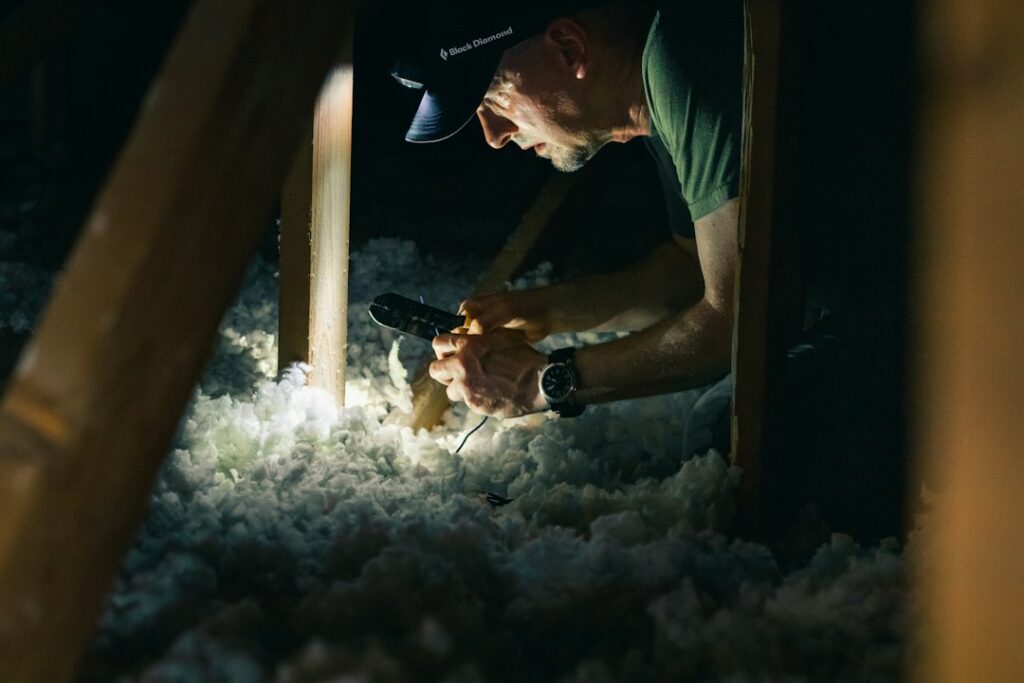
Assess your current insulation levels and identify areas where it may be lacking, such as attics, walls, and basements. Consider upgrading to a more efficient type if your current insulation is old or not performing well.
Frequently asked questions
What is the best type of insulation for energy efficiency?
Spray foam insulation is often considered the best for energy efficiency due to its high R-value and air sealing properties, reducing HVAC workload.
How does insulation affect HVAC costs?
Good insulation can lower HVAC costs by reducing energy consumption, leading to lower utility bills and potentially extending the lifespan of your HVAC system.
Can poor insulation damage my HVAC system?
Poor insulation can lead to increased HVAC workload, which may cause more frequent repairs and reduce the system's lifespan due to overheating or overuse.
How can I tell if my home needs more insulation?
Signs you may need more insulation include uneven temperatures, high energy bills, and drafts. A professional energy audit can provide a detailed assessment.
Is DIY insulation installation recommended?
While some insulation types like fiberglass can be installed DIY, professional installation is recommended for materials like spray foam to ensure effectiveness and safety.