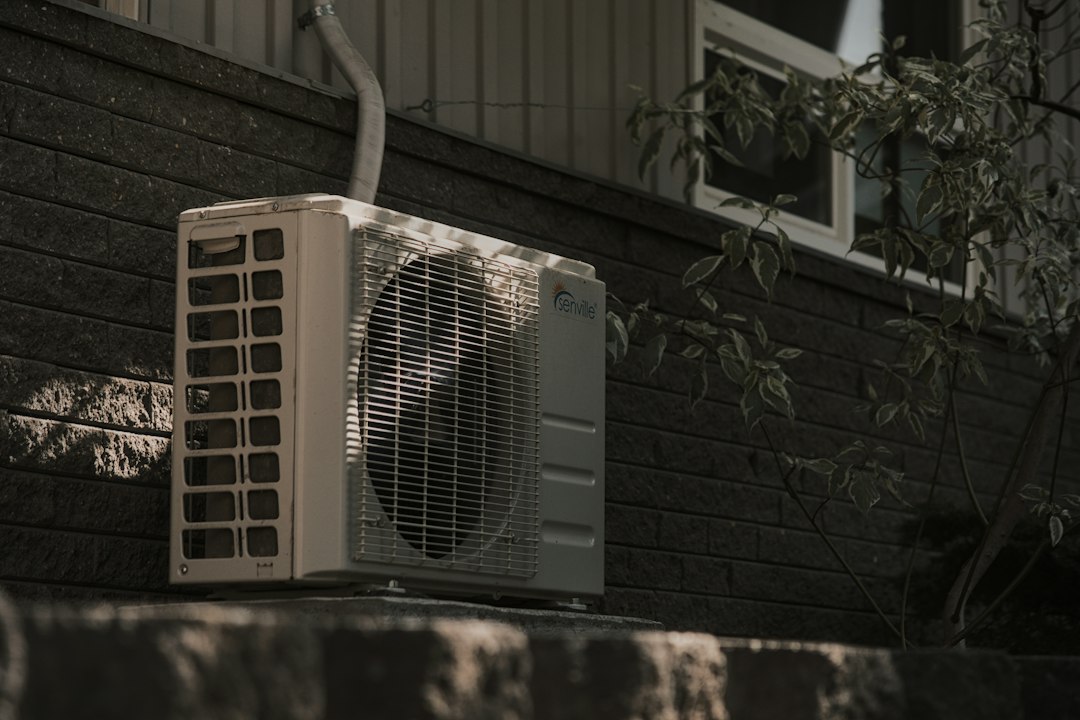
Choosing between an inverter and a non-inverter AC largely depends on your specific needs and budget. Inverter ACs typically offer better energy efficiency and quieter operation, while non-inverters come with a lower upfront cost. Understanding their differences can help you make an informed decision.
Understanding Inverter Technology
An inverter AC adjusts its compressor speed to maintain the desired temperature without turning on and off frequently. This results in consistent cooling and energy savings over time.

Non-Inverter AC: How It Works
In contrast, a non-inverter AC operates at a fixed speed and turns on and off to regulate room temperature. This can lead to more energy consumption and potentially larger electricity bills.
Pros and Cons of Inverter AC
- Energy Efficiency: Inverter units consume less power by adjusting the speed of the compressor.
- Cost: Higher initial purchase price, but long-term savings on energy bills.
- Noise Level: Generally quieter operation since the compressor doesn’t turn on and off frequently.
Inverter ACs are generally more energy-efficient and quieter, but come with a higher upfront cost.
Pros and Cons of Non-Inverter AC
- Cost: Lower initial cost compared to inverter models.
- Energy Consumption: Higher energy use due to constant on-and-off cycling of the compressor.
- Durability: Simpler technology may lead to fewer repair issues over time.
Cost Implications
While inverter ACs have a higher upfront cost, they can result in lower electricity bills, which may offset the initial investment over several years. Non-inverter ACs are cheaper to buy, but their higher energy consumption could lead to increased long-term costs.
Which Is Best for Your Home?
If you prioritize energy efficiency and a quieter environment, an inverter AC might be worth the investment. However, if upfront cost is a major concern, a non-inverter might be more suitable. For those living in regions with extreme temperatures, like Calgary or Edmonton, the consistent performance of an inverter AC could be beneficial. To find a local contractor for installation, check our directory.
Frequently asked questions
How does an inverter AC save energy?
An inverter AC saves energy by adjusting the compressor speed to maintain a consistent temperature, reducing the frequent on-and-off cycling that consumes more power.
Is an inverter AC worth the extra cost?
While inverter ACs have a higher upfront cost, they often result in lower electricity bills over time, making them a worthwhile investment for long-term energy savings.
Are non-inverter ACs more reliable?
Non-inverter ACs use simpler technology and may have fewer components that can fail. However, they tend to consume more energy, which can lead to higher operating costs.
What type of AC is best for extreme climates?
In regions with extreme temperatures, inverter ACs can provide more consistent cooling and heating, offering better performance and energy efficiency.