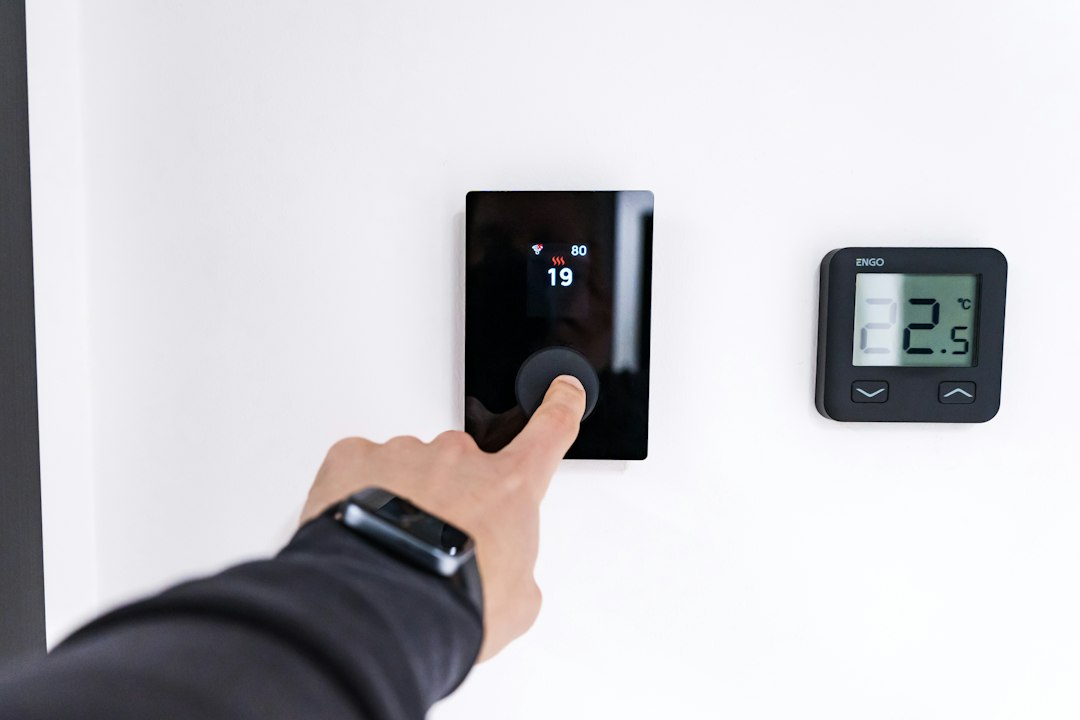
Placing your smart thermostat in the right location is key to maximizing HVAC efficiency and comfort in your home. Ideally, install it on an interior wall away from direct sunlight, drafts, and heat sources. This ensures accurate readings and efficient system operation.
Choosing the Right Wall
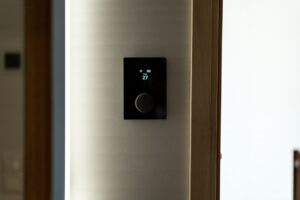
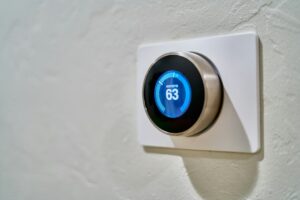
The best place for a smart thermostat is on an interior wall in a central location in your home. This helps the thermostat get an accurate average temperature reading of your living space. Avoid exterior walls, as these can be influenced by outside temperature changes.
Avoid Direct Sunlight
Sunlight can cause inaccurate temperature readings, leading to inefficient heating or cooling. Place your thermostat away from windows and skylights. This helps maintain a stable temperature reading throughout the day.
Steer Clear of Heat Sources
Keep the thermostat away from heat-generating appliances like ovens, stoves, or electronics. These can falsely elevate the temperature reading, causing your HVAC system to underperform. Also, avoid installing it above heat vents or radiators.
Minimize Drafts
Drafts from doors, windows, or hallways can mislead your thermostat. Avoid these areas to prevent inefficient system cycling. If drafts are unavoidable, consider sealing leaks or choosing a location further from the source.
Height Matters
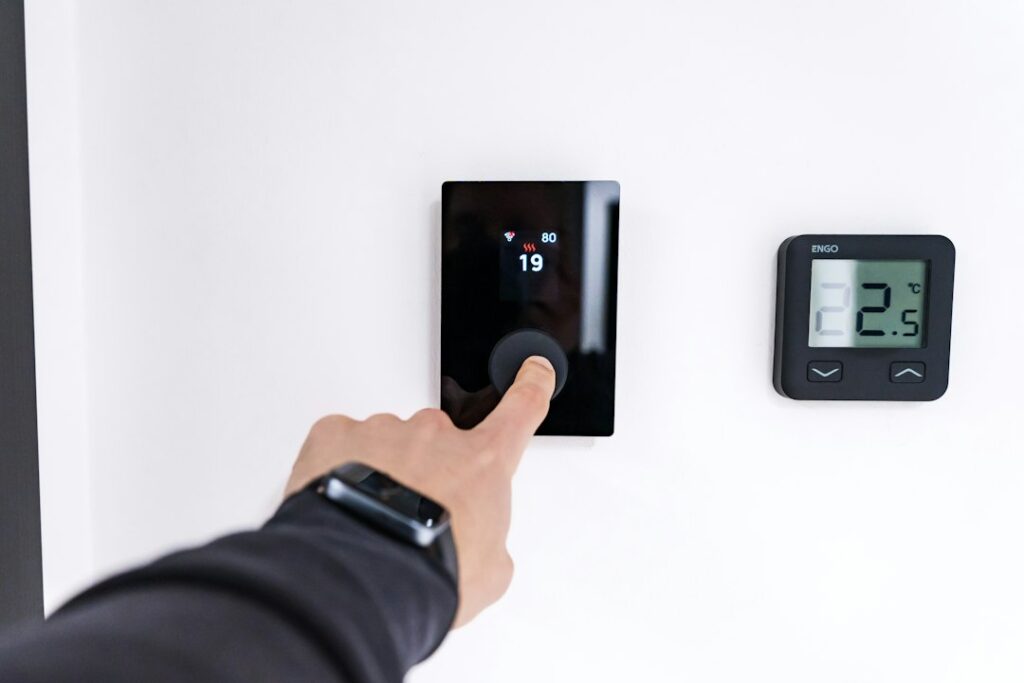
Install the thermostat at a standard height of about 52 to 60 inches from the floor. This height helps the device read the ambient air temperature more accurately, similar to the level where people feel the room temperature.
“The optimal thermostat location combines central placement, away from heat and cold influences, for the most accurate temperature control.”
Consider Room Usage
If specific rooms are used more frequently, consider their proximity when placing the thermostat. A central hallway may work for even temperature distribution, but a room where you spend most of your time might benefit more from direct control.
For more guidance, reach out to local HVAC contractors who can provide expert advice tailored to your home layout.
Practical Next Steps
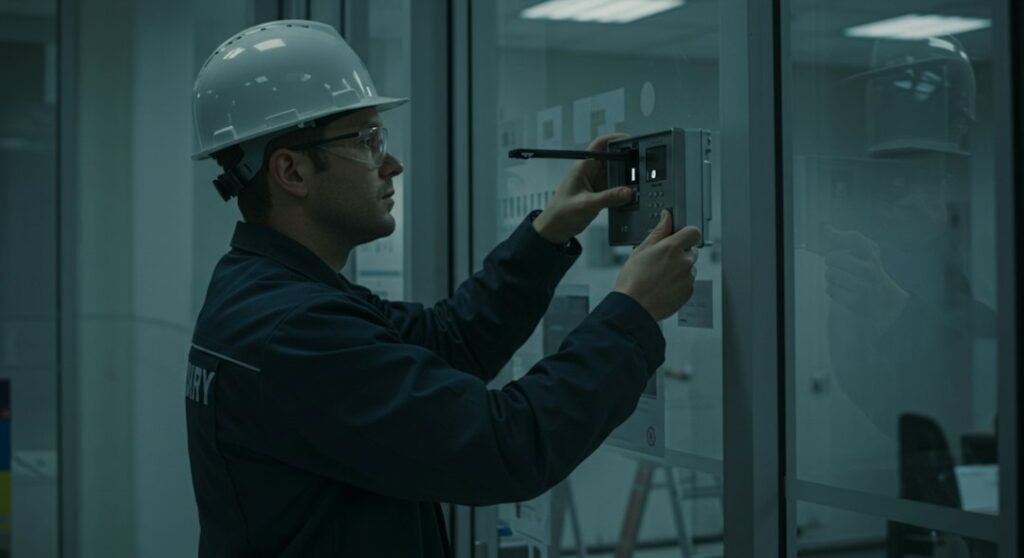
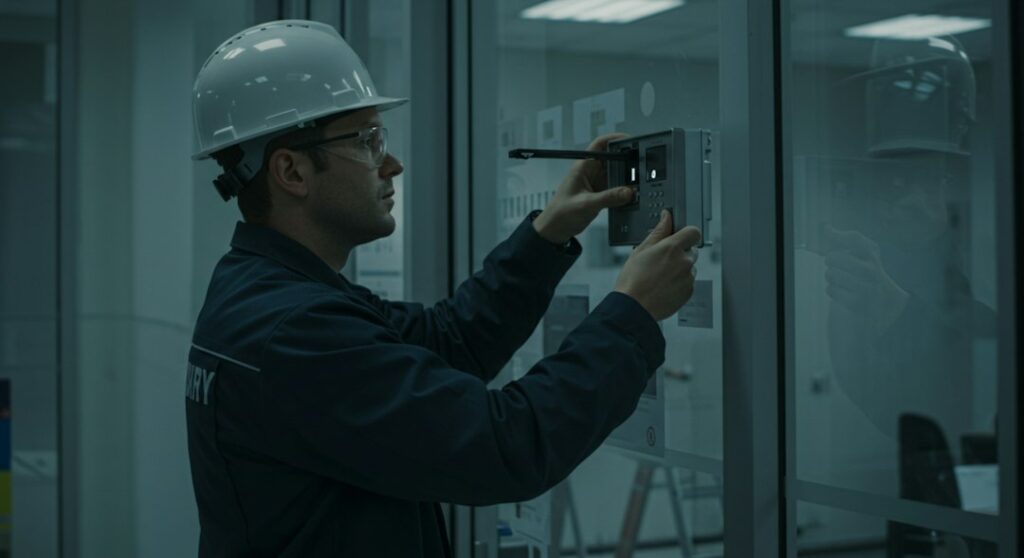
Now that you know where to place your smart thermostat, ensure it’s properly installed and configured to communicate with your HVAC system. Regularly monitor and adjust settings to adapt to seasonal changes and improve energy savings.
Frequently asked questions
Can I install a smart thermostat myself?
While many homeowners can install a smart thermostat, it's important to follow manufacturer instructions carefully. If you're not comfortable with wiring, consider hiring a professional.
Do smart thermostats work with all HVAC systems?
Smart thermostats are compatible with most modern HVAC systems, but it's crucial to check compatibility with your specific model. A professional can help if you're unsure.
How can I tell if my thermostat is in a bad location?
Signs of poor thermostat placement include frequent system cycling, uneven home temperatures, or high energy bills. Evaluate placement and consider adjustments if these issues arise.
What if my home doesn't have a central wall for the thermostat?
If a central wall isn't available, compromise by finding the most average temperature location possible. Professional advice can help determine the best alternative.
Can smart thermostats really save money?
Yes, smart thermostats can reduce energy costs by optimizing heating and cooling schedules based on usage patterns and preferences, potentially lowering bills over time.