Normal HVAC noise levels vary, but most systems produce a low hum or whoosh sound during operation. If your system is excessively noisy, it might need maintenance or strategic adjustments to reduce the sound for better home comfort.
What Is Normal HVAC Noise?
HVAC systems aren’t entirely silent. Sounds like a gentle hum or soft whoosh are standard when the system turns on or off. These noises come from the motor and air moving through the ducts. However, anything louder could indicate an issue.

Common Causes of Excessive Noise
Excessive noise can stem from various sources:
- Loose components: Screws and panels may need tightening.
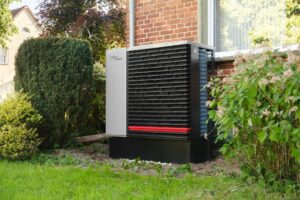
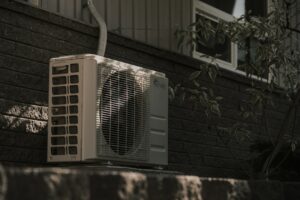
- Debris in the system: Leaves or dirt near outdoor units can cause rattling.
- Worn bearings or belts: Mechanical wear can increase noise.
Effective HVAC Noise Reduction Tips
To lessen noise, try these strategies:
- Regular maintenance: Schedule professional check-ups to catch issues early.
- Install sound barriers: Fences or shrubbery can dampen noise from outdoor units.
- Add insulation: Reduce noise transmission by insulating ductwork.
If you’re in Toronto, consider reaching out to a local contractor for professional advice.
When to Call a Professional
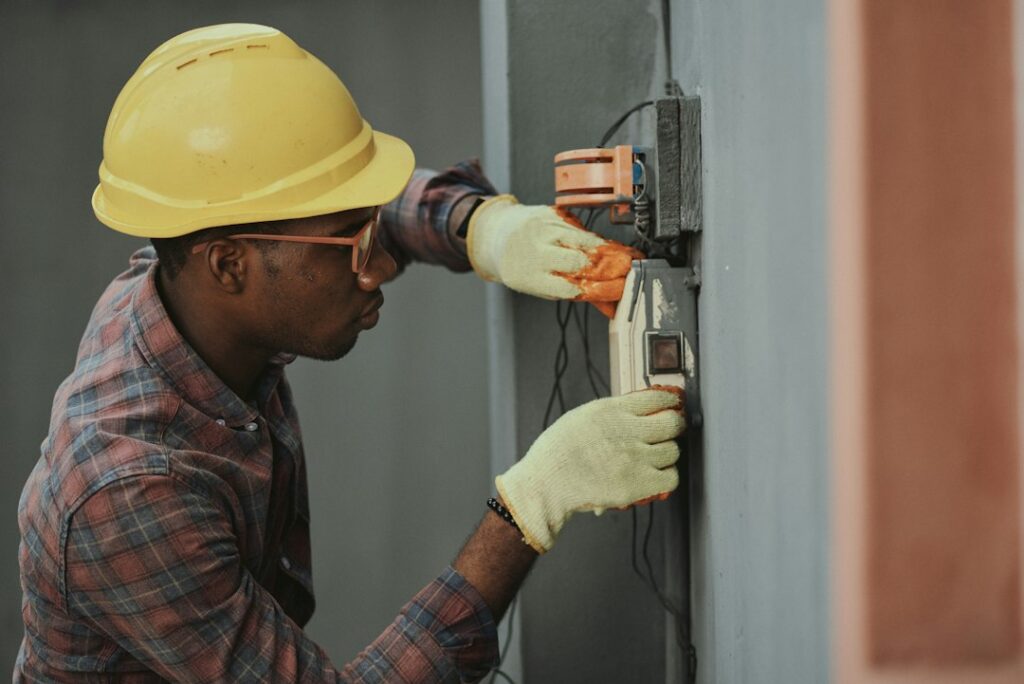
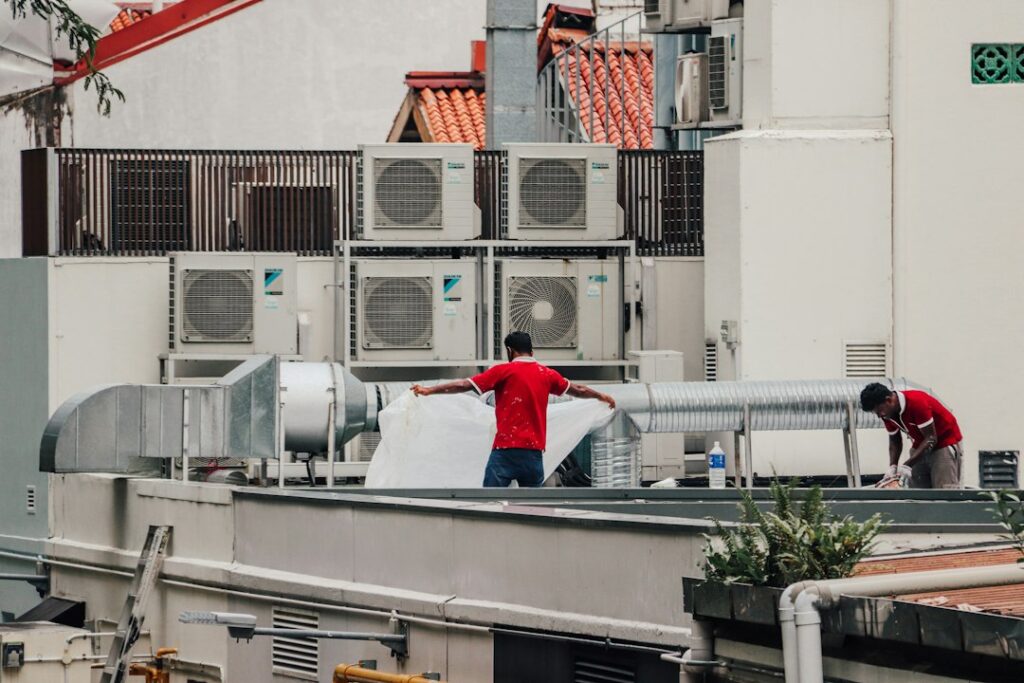
If DIY measures don’t work, it might be time for professional help. A certified technician can diagnose and fix issues you can’t handle on your own. Regular inspections can also prevent future noise problems.
Considerations for New HVAC Systems
If you’re thinking about a new system, consider models with noise reduction features. Look for units with variable speed fans or scroll compressors, which are designed to operate more quietly.
Regular maintenance and strategic modifications can significantly reduce HVAC noise, enhancing your home’s comfort.
Practical Steps Forward
Start by identifying where the noise is coming from. Check for loose parts and clean around the units. If these steps don’t help, consulting a professional can be the next best move.