Combined HVAC systems, which integrate heating and cooling into one unit, offer notable advantages in efficiency. They can simplify maintenance and reduce energy use, but they may not always be the best fit for every home. Understanding their benefits and drawbacks helps homeowners make informed decisions.
How Combined Systems Work
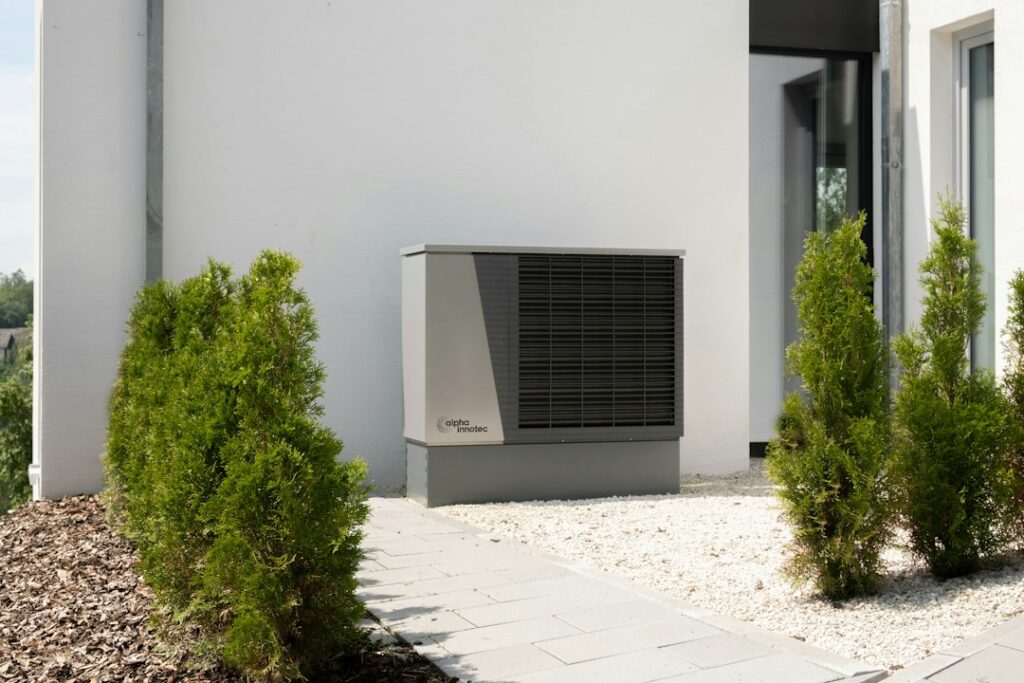
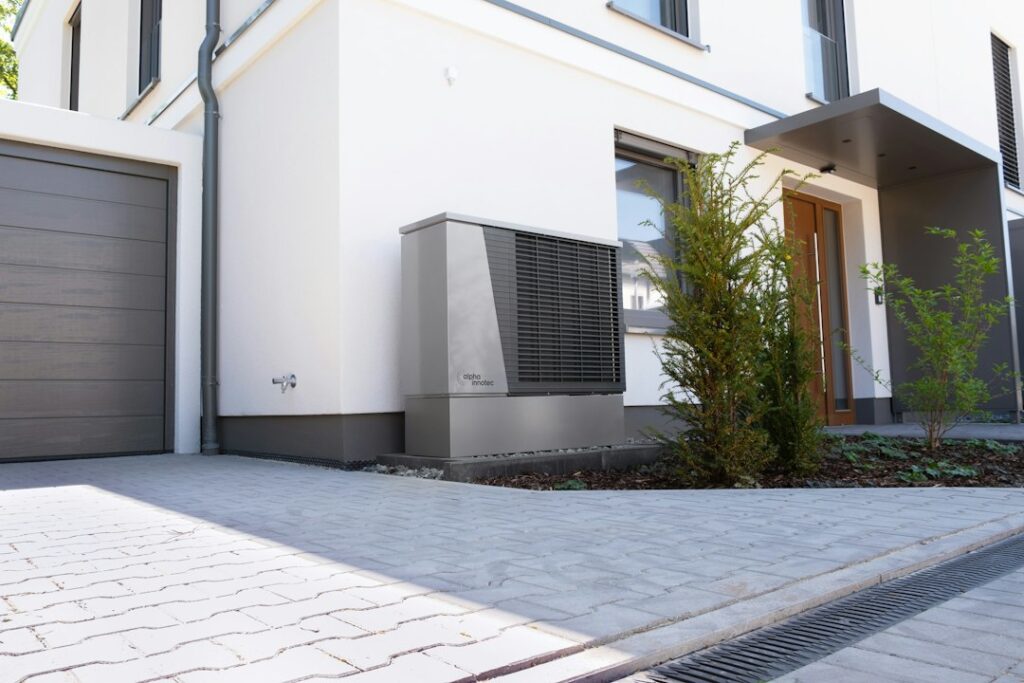
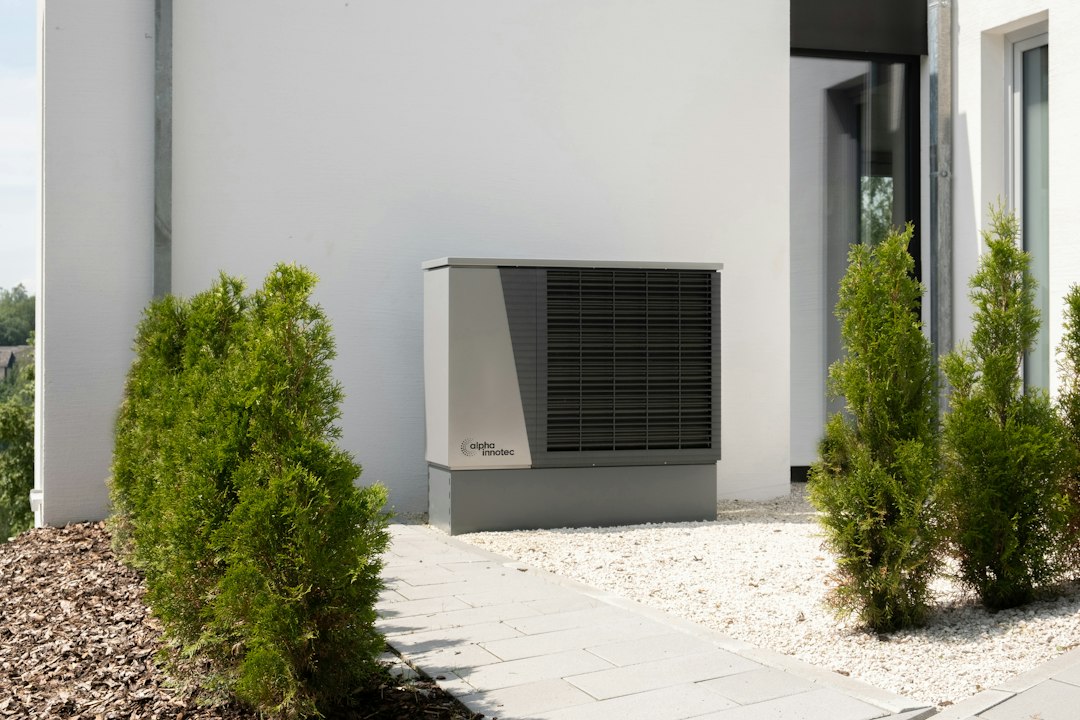
Combined HVAC systems use a single unit to provide both heating and cooling. These systems often include heat pumps or furnaces combined with air conditioning mechanisms. By utilizing shared components, they streamline the process of maintaining home comfort.
Efficiency Benefits
Energy efficiency is a primary advantage of combined systems. By using a single system, energy use can be optimized, especially in climates with moderate weather. Many systems are designed to switch modes efficiently, reducing wasted energy.
- Lower energy costs during the transition between heating and cooling seasons.
- Fewer components mean reduced maintenance needs.
- Integration can lead to increased system longevity.
Consider a combined HVAC system if you want to minimize energy consumption and simplify home maintenance.
Potential Drawbacks
Despite their benefits, combined systems might not suit every home. They can be less efficient in extremely cold or hot climates where specialized equipment might perform better.
- Initial costs can be higher compared to separate systems.
- May require professional installation and regular maintenance.
- Potentially less effective in extreme weather conditions.
Suitability for Different Climates
Canada’s diverse climate means the effectiveness of a combined system can vary significantly. In milder regions, such as parts of British Columbia, these systems can perform exceptionally well. However, in areas with harsher winters, like in Alberta, their efficiency might be challenged.
Homeowners in cities like Calgary or Edmonton should carefully weigh local climate conditions when considering combined systems.
Installation and Maintenance Considerations
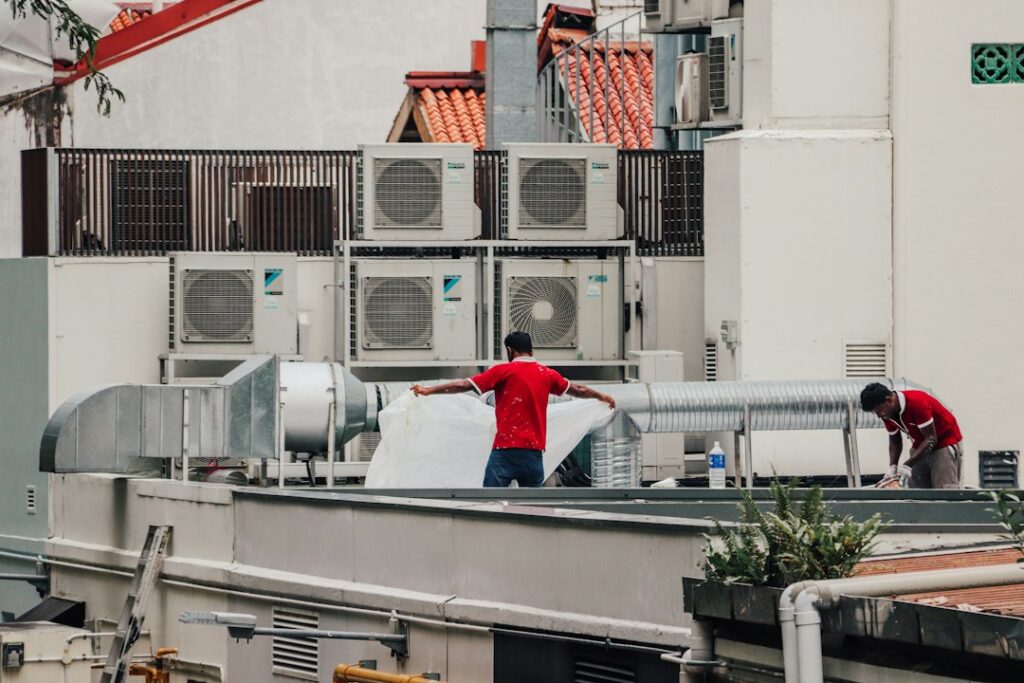
Installing a combined HVAC system requires professional expertise to ensure optimal performance. Regular maintenance is crucial to keep the system running efficiently and to extend its lifespan. Homeowners should seek professional help for both installation and maintenance.
When to Choose a Combined HVAC System
If you’re prioritizing energy savings and simplicity, a combined system could be ideal. Consider your local climate, budget, and long-term maintenance plans. Consulting with qualified local contractors can provide insights specific to your home’s needs.
To find local experts, browse our HVAC contractor directory for guidance in making the best choice for your home.
Practical Next Steps
Understanding your home’s specific needs and the local climate is crucial before committing to a combined HVAC system. Consult with professionals, research options, and make an informed decision that matches your comfort and efficiency goals.
Frequently asked questions
Are combined HVAC systems more expensive to install?
Combined systems can be more costly upfront compared to separate units. However, they may offer savings in energy efficiency and maintenance over time.
Do combined HVAC systems require more maintenance?
While combined systems often require less maintenance due to fewer components, regular professional checks are essential to maintain efficiency and longevity.
Can a combined HVAC system work in extreme climates?
Combined systems may struggle in extreme climates. In very cold or hot areas, specialized equipment might perform more efficiently.
How do I choose the right system for my home?
Consider your local climate, energy goals, and budget. Consulting with local HVAC contractors can provide personalized recommendations.
What is the lifespan of a combined HVAC system?
The lifespan can vary but typically ranges from 15 to 20 years with regular maintenance and optimal usage.