During a winter storm, ensuring the safe operation of your HVAC system is crucial. Protecting your equipment from extreme weather, performing regular checks, and knowing when to seek professional help can keep your system running smoothly and safely.
Preparing Before the Storm
Before winter storms hit, there are a few steps you can take to safeguard your HVAC system:
- Schedule Maintenance: Regular maintenance can identify potential issues before they become bigger problems. Consider contacting a professional from your area, such as Toronto HVAC contractors.
- Clear the Area: Ensure the outdoor unit is free from debris and plants, as these can obstruct airflow and cause damage during high winds.
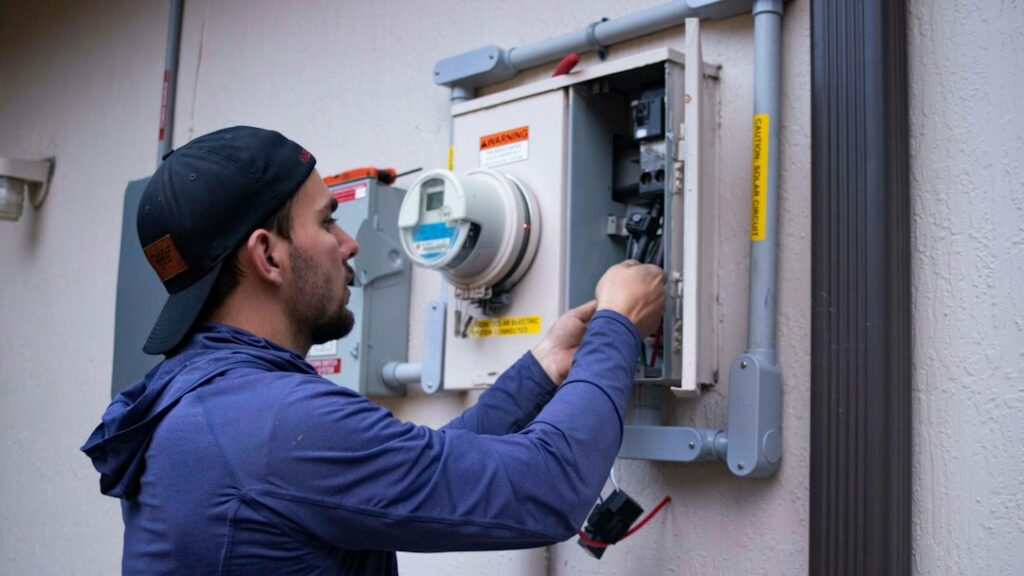
- Install Surge Protectors: Power surges can occur during storms. Surge protectors can help protect your HVAC system from electrical damage.
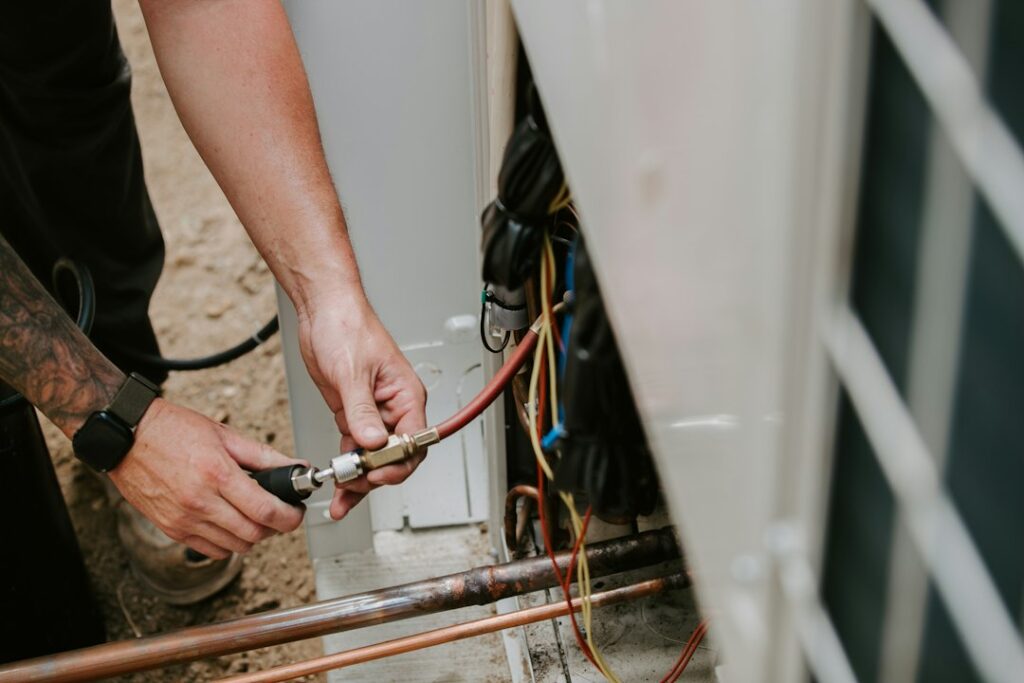
Monitoring During the Storm
Once the storm has begun, keep an eye on your HVAC system to ensure it is operating safely:
- Listen for Unusual Noises: Any odd sounds could indicate a problem. If you hear something unusual, consider turning off the system and contacting a professional.
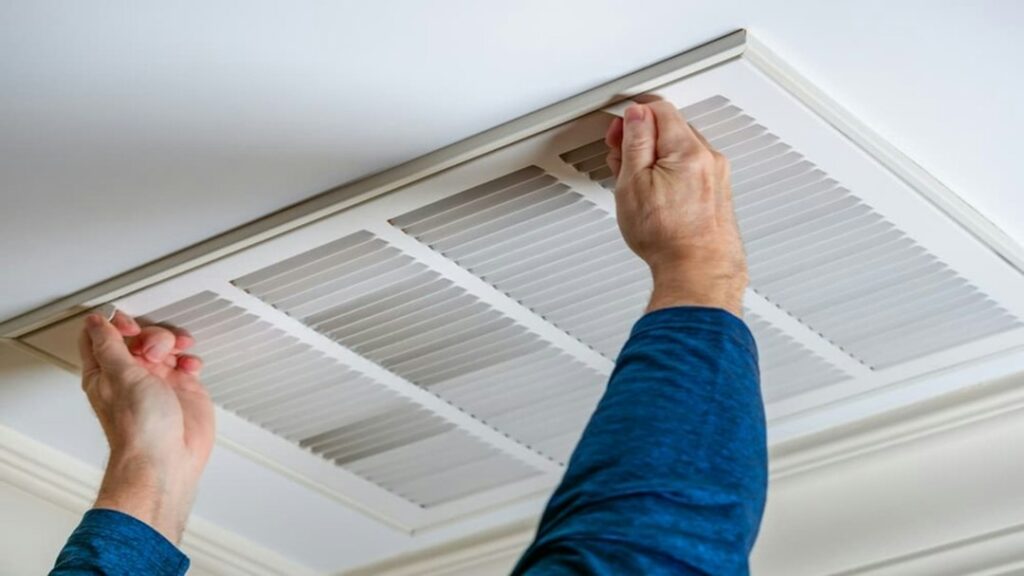
- Check Airflow: Ensure vents and filters are not blocked by snow or ice, which can restrict airflow and lead to overheating.
- Maintain a Safe Temperature: Avoid setting the thermostat too high, as this can put extra strain on your system.
Managing Power Outages
Power outages are common during winter storms. Here’s how to handle them safely:
- Have a Backup Plan: Consider investing in a generator to keep essential systems running.
- Turn Off the System: If the power goes out, turn off your HVAC system to prevent damage from power surges when electricity is restored.
- Check for Gas Leaks: If you smell gas, leave the house immediately and contact the utility company.
Never attempt to repair an HVAC system yourself during a storm, as this can be extremely dangerous.
Post-Storm Inspection
After the storm has passed, conduct a thorough inspection of your HVAC system:
- Look for Damage: Check outdoor units for any visible damage or debris build-up.
- Test the System: Once it’s safe, turn on the system to ensure it’s operating correctly.
- Schedule Professional Inspection: If you suspect any issues, have a professional inspect your system. You can find contractors through our directory.
When to Call a Professional
Knowing when to call in an expert can save you time and money:
- Persistent Issues: If problems persist despite your efforts, it’s time for professional help.
- Unusual Smells or Sounds: These can indicate serious issues that require expert attention.
- Inconsistent Heating: If some rooms are not being heated properly, this could be a sign of a larger issue.
Staying Prepared for Future Storms
Once you’ve managed through one storm, it’s a good time to prepare for the next:
- Create a Maintenance Schedule: Regular checks can prevent future issues.
- Upgrade Equipment: Consider replacing older units with more efficient, storm-resistant models.
- Stay Informed: Keep up with local weather forecasts to anticipate future storms.
Frequently asked questions
How can I tell if my HVAC system is damaged after a storm?
Check for visible damage to outdoor units, listen for unusual noises, and observe if any rooms are not being heated properly. If in doubt, contact a professional.
Is it safe to use my HVAC system during a power outage?
No, it's best to turn off the system during a power outage to prevent damage from power surges when electricity is restored.
What should I do if my HVAC system starts making unusual noises during a storm?
Turn off the system and contact a professional. Odd sounds can indicate a mechanical issue that needs expert attention.
Should I clear snow from my HVAC unit during a storm?
Yes, if it is safe to do so. Clearing snow and ice can prevent airflow blockages and potential damage.