If you notice uneven heating between rooms, start by checking the simplest potential problems: blocked vents or registers, incorrect thermostat settings, and filter clogs. If these aren’t the issue, it’s time to explore deeper causes like ductwork, insulation, or the HVAC system itself.
Check Vents and Registers
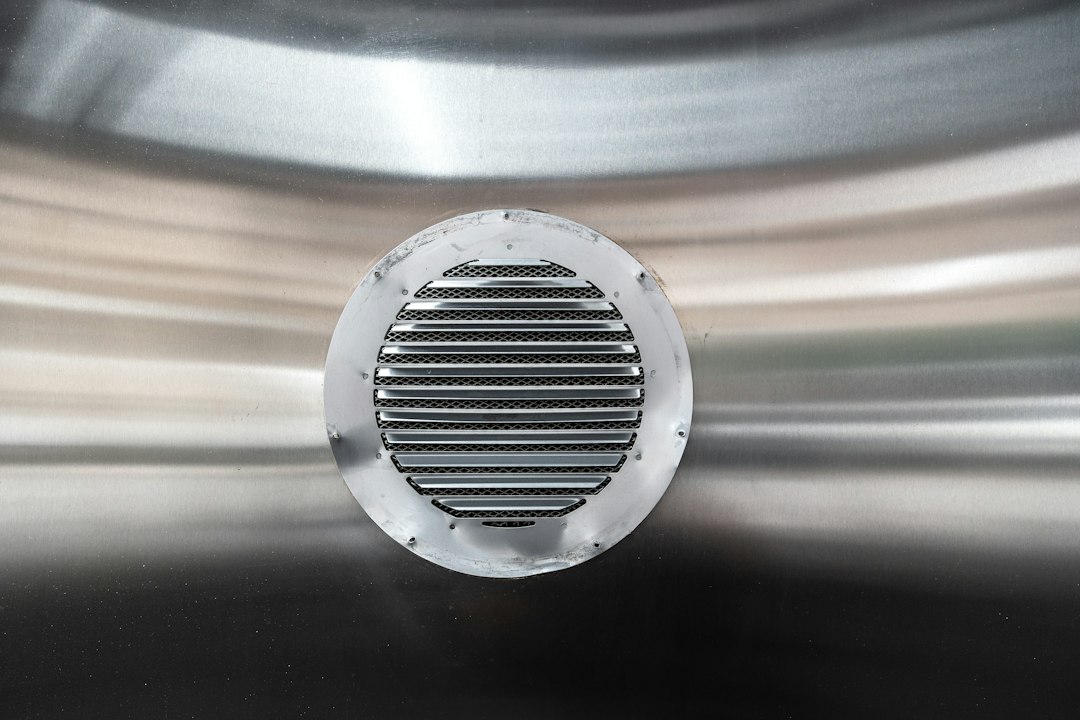
Begin by inspecting all vents and registers in your home. Ensure they are open and unobstructed by furniture, curtains, or other items. Blocked vents can reduce airflow and lead to temperature variations.

Examine Your Thermostat Settings
Verify that your thermostat is set correctly and isn’t located in a spot that could cause false readings, like near a window or in direct sunlight. Consider using a programmable thermostat for more precise control.
Inspect and Replace Air Filters
Dirty filters restrict airflow, affecting heating efficiency. Check your air filter and replace it if necessary. This should be done every 1-3 months depending on your system and usage.
Evaluate Ductwork Condition
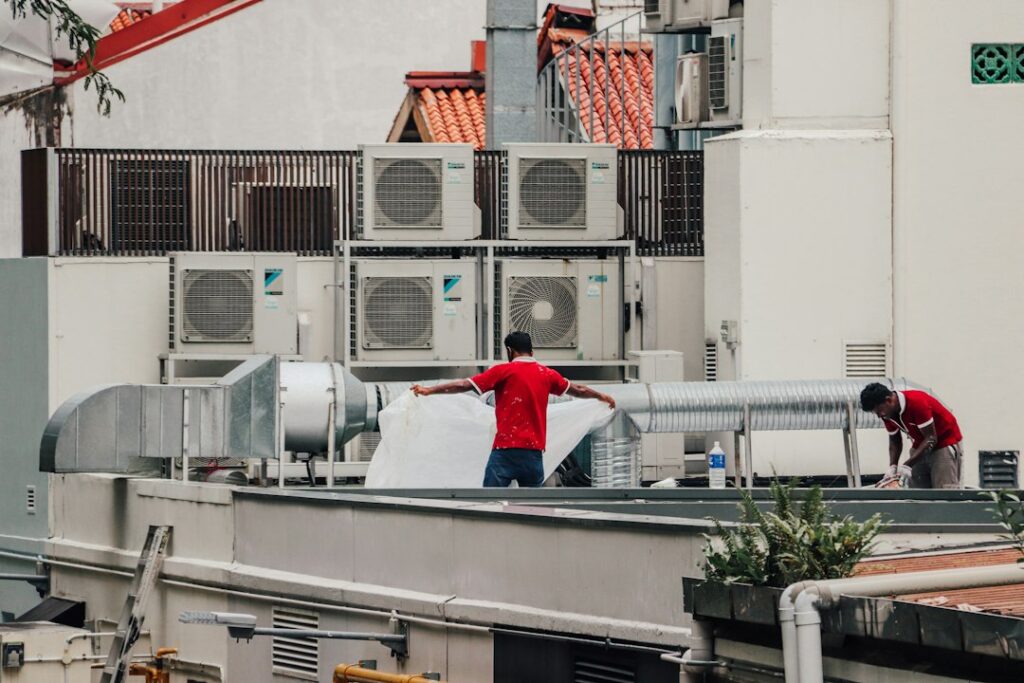
Leaky or poorly insulated ducts can result in uneven heating. Inspect visible ductwork for gaps or damage. Sealing and insulating ducts might require professional help. Find an HVAC contractor to assist with ductwork issues.
Assess Insulation Levels
Insufficient insulation, especially in older homes, can cause temperature imbalances. Check attic and wall insulation and consider upgrading if necessary to maintain consistent temperatures.
Uneven heating issues often boil down to three main areas: airflow, ductwork, and insulation.
Consider HVAC System Issues
If the problem persists, your HVAC system may be improperly sized or aging. In such cases, consulting a professional is wise. They can evaluate your system’s efficiency and recommend actions or replacements as needed. For localized help, contractors in Toronto or other cities can assist.
Practical Next Steps
After addressing the basics, monitor room temperatures over time. If uneven heating remains an issue, it’s crucial to consult a professional to diagnose complex problems that require specialized equipment or expertise.
Frequently asked questions
Why is one room colder than the rest of the house?
A colder room can result from blocked vents, poor insulation, or issues with the ductwork. Start by checking these areas to identify the cause.
Can a dirty air filter affect room temperature?
Yes, a dirty air filter can restrict airflow, making it harder for your HVAC system to heat rooms evenly. Regularly replacing filters can help maintain consistent temperatures.
How often should I check my ductwork?
Inspect your ductwork annually for leaks or damage, especially if you notice uneven heating. Professional inspections can help identify issues you might miss.
Is a programmable thermostat helpful for uneven heating?
A programmable thermostat can help manage heating schedules and maintain desired temperatures more efficiently, potentially addressing some uneven heating issues.