The right air filter can significantly improve your home’s air quality and the efficiency of your HVAC system. When selecting an efficient air filter, consider its MERV rating, material type, and size compatibility with your HVAC system. It’s also important to weigh cost and availability in your local area.
Understanding MERV Ratings
MERV, or Minimum Efficiency Reporting Value, is a standard that rates the overall effectiveness of air filters. The higher the MERV rating, the more efficient the filter is at trapping airborne particles. For most residential systems, a filter with a MERV rating between 8 and 13 is recommended, balancing air quality with efficient system performance.

Material Matters
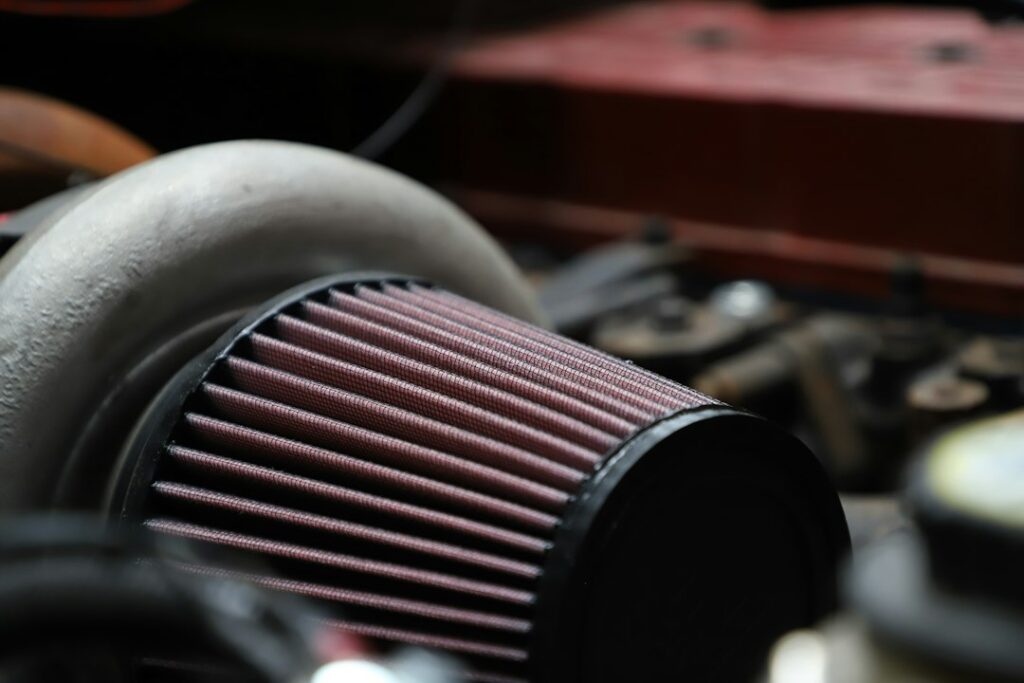
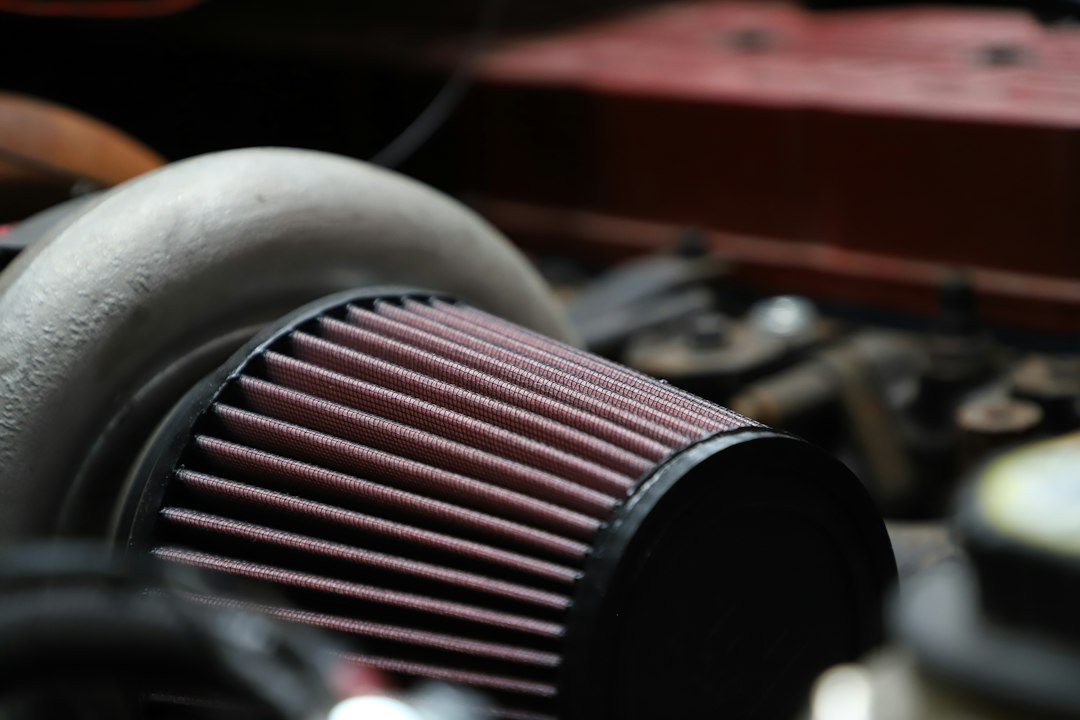
Air filters come in various materials, such as fiberglass, pleated paper, and synthetic media. Fiberglass filters are generally less efficient but cost-effective. Pleated filters, typically made from polyester or cotton, offer higher efficiency. Synthetic media filters provide a good balance of efficiency and airflow. Choose a material that fits your home’s needs and budget.
Filter Size and Compatibility
Ensure the filter size matches your HVAC system requirements. Incorrect sizing can lead to unfiltered air bypassing the filter or restricted airflow, reducing system efficiency. Check your HVAC system’s manual or consult with a professional to determine the correct size.
Cost and Availability
Efficient air filters vary in price. While higher-rated filters might cost more initially, they often last longer and can enhance system performance, potentially saving money over time. Availability can differ by region, so consider local suppliers or online options. For residents in major cities, finding contractors through directories like our contractor directory can help with sourcing and installation.
Environmental Considerations
Some air filters are designed to be more environmentally friendly, made from recycled materials or designed for longer lifespans. Consider the environmental impact of your options, especially if sustainability is important to you.
The right air filter not only improves air quality but also enhances HVAC efficiency and longevity.
When to Replace Your Air Filter
Regular replacement is crucial. Most filters should be replaced every 1 to 3 months, but this can vary based on filter type, usage, and household conditions. Check the manufacturer’s recommendations for guidance.
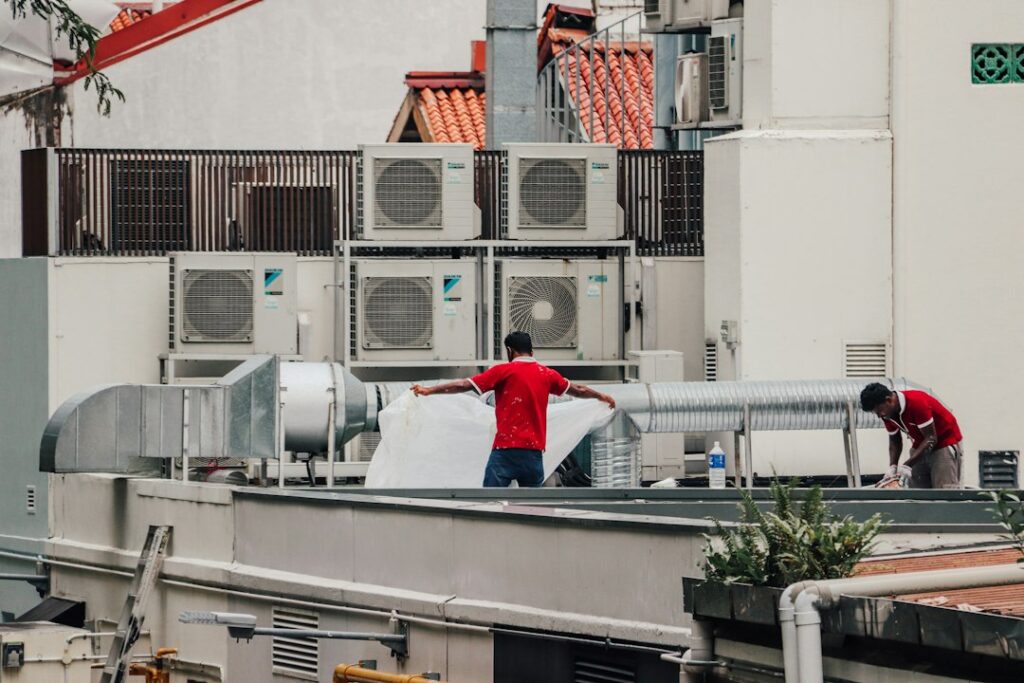
For those who need professional help, finding a local contractor in cities like Toronto or Calgary can ensure the task is done correctly and efficiently.
Practical Tips for Choosing Air Filters
Focus on the balance between efficiency and airflow. Too high of a MERV rating might hinder airflow, stressing your HVAC system. Consider your home’s specific needs, such as allergy concerns or pets, which may require higher efficiency filters. Regularly check and replace filters to maintain optimal performance.
Frequently asked questions
What is the best MERV rating for home use?
A MERV rating between 8 and 13 is suitable for most homes, balancing air quality and system efficiency.
How often should I change my air filter?
Most air filters should be replaced every 1 to 3 months, but check the manufacturer's advice for specific guidance.
Are pleated filters better than fiberglass?
Pleated filters are generally more efficient at capturing particles than fiberglass filters, though they may cost more.
Can a high MERV filter damage my HVAC system?
A very high MERV filter can restrict airflow and potentially stress your HVAC system. It's important to choose a MERV rating that your system can handle.
Where can I find air filters in my city?
You can find air filters at local hardware stores or by contacting HVAC contractors through directories such as our site.