Integrating radiant floor heating with your existing HVAC system can significantly enhance both comfort and energy efficiency in your home. This combination allows for even heat distribution and can reduce the workload on your traditional heating systems, potentially lowering energy bills over time.
Enhanced Comfort
Radiant floor heating provides a consistent and uniform heat distribution, eliminating cold spots that are common with forced air systems. This system warms the floors directly, which in turn heats the room from the ground up, ensuring that the warmth is evenly spread across the entire space.
Energy Efficiency
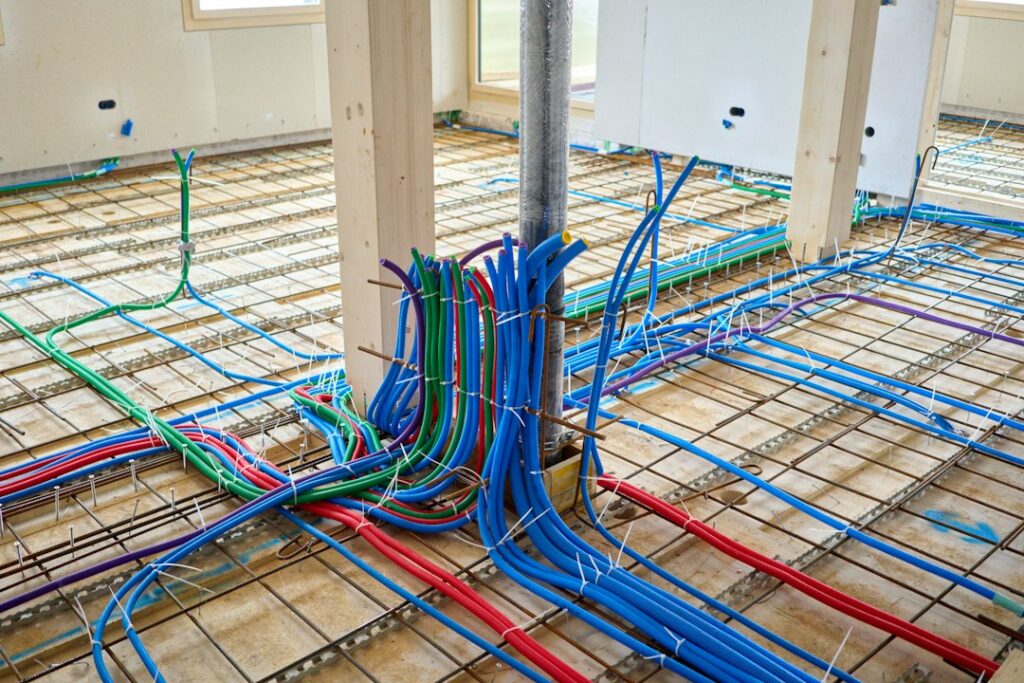
Using radiant floor heating can lead to improved energy efficiency. With less energy needed to maintain comfortable temperatures, homeowners may experience lower heating costs. Radiant heating operates quietly and can be more efficient than traditional heating systems, as it minimizes heat loss through ducts.
Compatibility with Existing Systems
Radiant floor heating can be integrated with various types of existing HVAC systems without significant modifications. This compatibility makes it a versatile option for homeowners looking to upgrade their heating without replacing their entire system. Consulting with local HVAC contractors can help determine the best integration approach.
Improved Indoor Air Quality
Unlike forced air systems, radiant floor heating does not circulate dust and allergens through the air, leading to better indoor air quality. This can be particularly beneficial for households with members who suffer from allergies or respiratory issues.
Quiet Operation
Radiant floor heating systems operate silently. There are no fans or blowers, which can be a source of noise in traditional HVAC systems. The quiet operation can contribute to a more peaceful home environment.
“Radiant floor heating offers an even and consistent warmth that complements existing HVAC systems while potentially reducing energy usage.”
Considerations for Installation
While the benefits are clear, installing radiant floor heating requires careful planning. It can be installed under various flooring types, but some materials like tile and stone are more conducive to heat transfer than others. Professional installation is recommended to ensure optimal performance and safety.
To explore further and find suitable professionals, consider contacting contractors in Toronto or other major cities across Canada.
Practical Next Steps
If you’re considering adding radiant floor heating to your home, start by assessing your current HVAC system and identifying your heating needs. Consulting with a professional can provide insights into the best options for your specific situation, ensuring that you reap the full benefits of this efficient heating method.