SEER, or Seasonal Energy Efficiency Ratio, measures the cooling efficiency of an air conditioning unit. A higher SEER rating means better energy efficiency, which can lead to lower electricity bills. Understanding SEER helps you make informed decisions when selecting an air conditioner for your home.
What Does SEER Stand For?
The term SEER stands for Seasonal Energy Efficiency Ratio. It’s a metric that evaluates how efficiently an air conditioning unit operates over an entire cooling season. Calculated by dividing the cooling output by the energy consumed, SEER provides a standardized way to compare different air conditioners.
Why SEER Ratings Matter
Choosing an air conditioner with a higher SEER rating can have several benefits:
- Energy Savings: Units with higher SEER ratings use less electricity, which can result in lower utility bills.
- Environmental Impact: More efficient units reduce carbon emissions, contributing to a greener environment.
- Comfort: High-efficiency systems often provide more consistent cooling.
In many Canadian provinces, a higher SEER rating can significantly reduce your energy costs over the lifespan of your air conditioner.
Understanding SEER Ratings in Canada
In Canada, minimum SEER requirements can vary by province. Most new air conditioners have a SEER rating of at least 13, but high-efficiency models can reach SEER ratings of 20 or more. It’s important to check local regulations and consider the climate, as areas with more intense cooling needs might benefit more from higher SEER units.
Comparing SEER to Other Efficiency Metrics
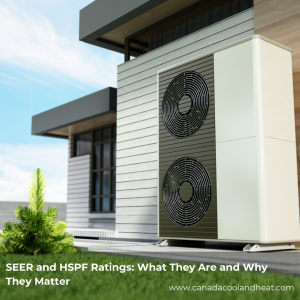
SEER is specifically for air conditioners and heat pumps in their cooling mode. Other metrics like HSPF (Heating Seasonal Performance Factor) apply to heating. Understanding the difference helps ensure you choose the right system for your climate and usage patterns.
Finding SEER Ratings
The SEER rating of an air conditioner is usually displayed on the EnergyGuide label, which also shows estimated energy use and costs. If you’re upgrading your system, consult with a professional to find a unit that meets your efficiency needs. For homeowners in Toronto or Calgary, finding local contractors can help you make the best choice.
Find contractors in Toronto or Calgary to assist with your air conditioning needs.
Making the Right Choice
When purchasing an air conditioner, balance initial costs with potential energy savings. A unit with a higher SEER may cost more upfront, but the reduction in energy bills can offset the difference over time. Evaluate your home’s needs, local climate, and budget to determine the best SEER rating for you.
Frequently asked questions
What is a good SEER rating for an air conditioner?
A good SEER rating typically starts at 13, but higher ratings like 16 or 18 are more energy-efficient. These are often recommended for better energy savings.
Do higher SEER units cost more?
Yes, air conditioners with higher SEER ratings usually have a higher upfront cost. However, they can lead to significant energy savings in the long run.
How can I find out the SEER rating of my current AC?
The SEER rating can often be found on the EnergyGuide label of your unit. If it's not visible, check the manufacturer's website or user manual.
Is SEER the only factor to consider when buying an AC?
While SEER is important for efficiency, also consider factors like size, noise level, and warranty. Consulting with a local HVAC professional can help.