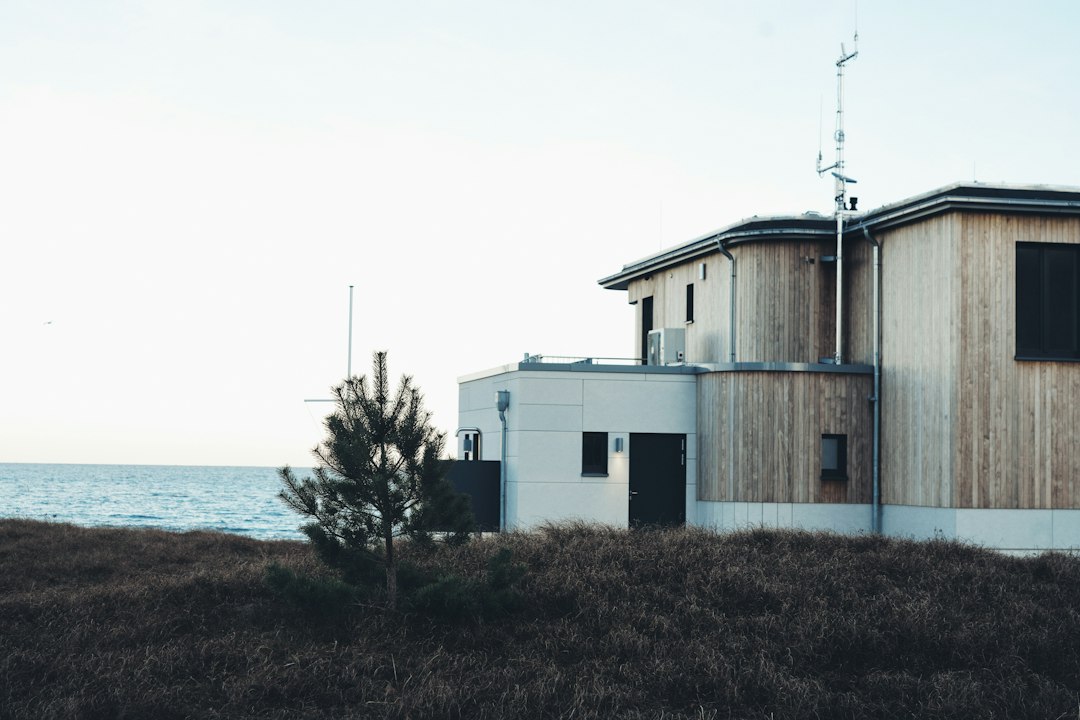
For homeowners near the coast, protecting your HVAC system from salt and moisture is crucial. Regular cleaning, using protective coatings, and scheduling inspections can significantly extend its lifespan. Here’s how you can maintain your system efficiently.
Regular Cleaning and Inspection
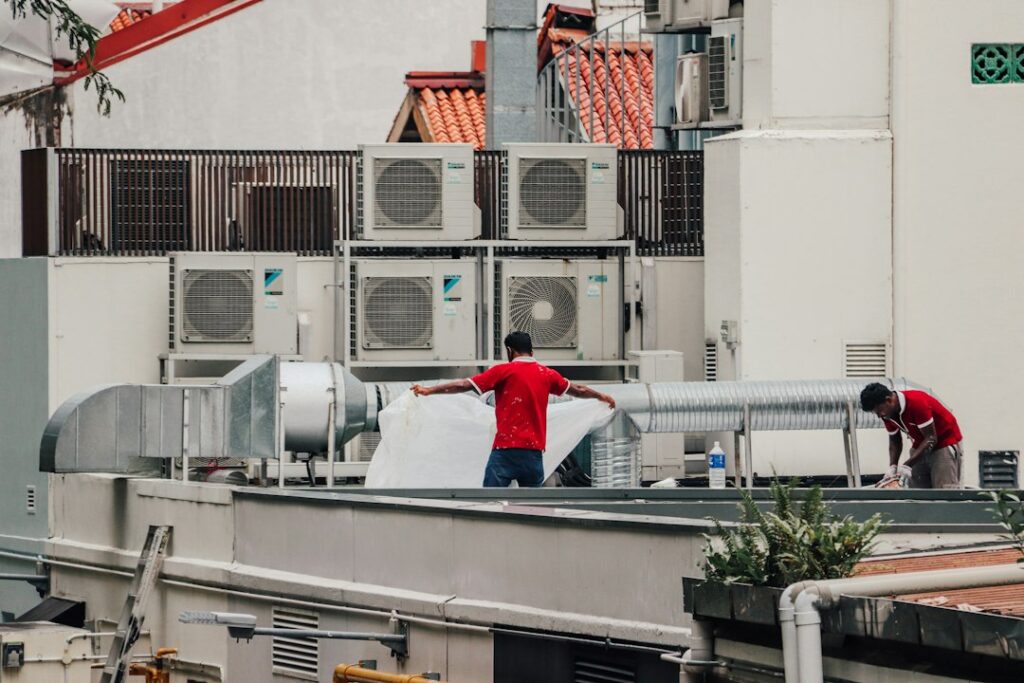
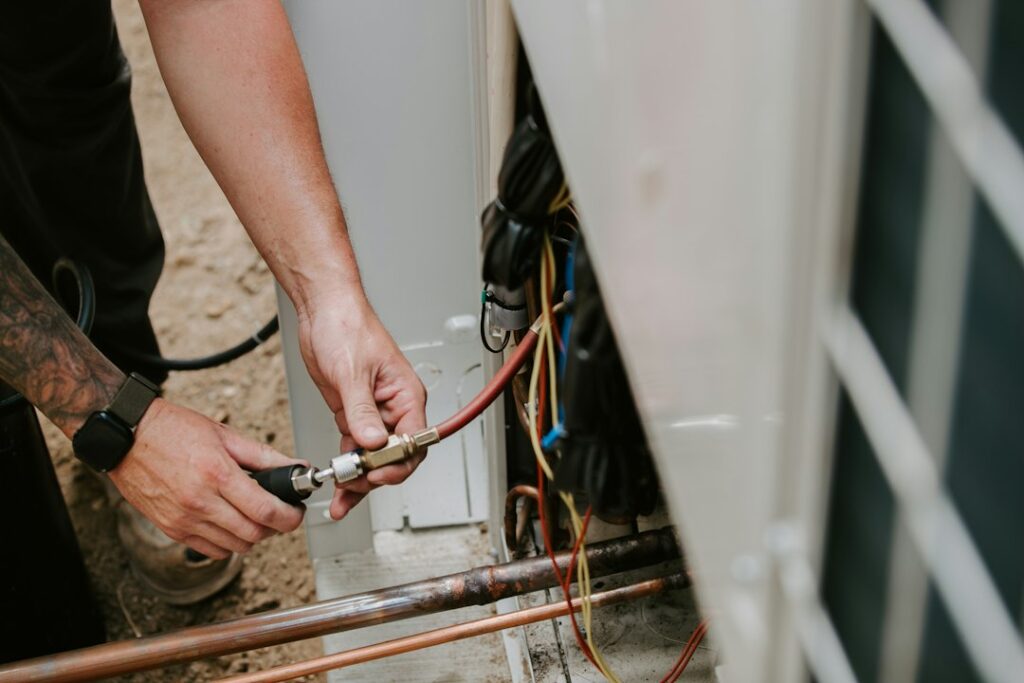
Salt from the ocean air can corrode HVAC components. Regular cleaning helps prevent this damage. Rinse your outdoor unit with fresh water every few months to remove salt buildup. Schedule professional inspections twice a year to check for any hidden issues.
Protective Coatings
Applying a protective coating to your HVAC unit can shield it from the harsh coastal environment. Specialized coatings prevent rust and corrosion on metal parts. Consult with your HVAC contractor to decide on the best product for your system.
Install a Protective Cover
A cover for your outdoor unit offers extra protection against the elements. Use a breathable cover to avoid trapping moisture, which can lead to mold and rust. Remove the cover during operation to ensure proper airflow.
Maintain Proper Ventilation
Good ventilation is crucial in coastal areas to reduce moisture buildup inside your home. Ensure your HVAC system’s vents are clear and unobstructed. Consider installing a dehumidifier to help manage indoor humidity levels.
Choose Corrosion-Resistant Materials
When replacing parts or installing a new system, opt for corrosion-resistant materials. Stainless steel and aluminum components withstand salt exposure better than standard parts, prolonging the life of your HVAC system.
Schedule professional inspections twice a year to catch potential issues early and ensure optimal performance.
Plan for Professional Maintenance
Regular professional maintenance is vital for HVAC systems in coastal homes. Technicians can identify early signs of wear and recommend specific maintenance strategies for your location. Find an HVAC contractor to schedule a service.
Closing Tips
Protecting your HVAC system from coastal damage is an ongoing task. Stay proactive with cleaning, use protective measures, and rely on professional help. These steps will ensure your system runs efficiently and lasts longer.