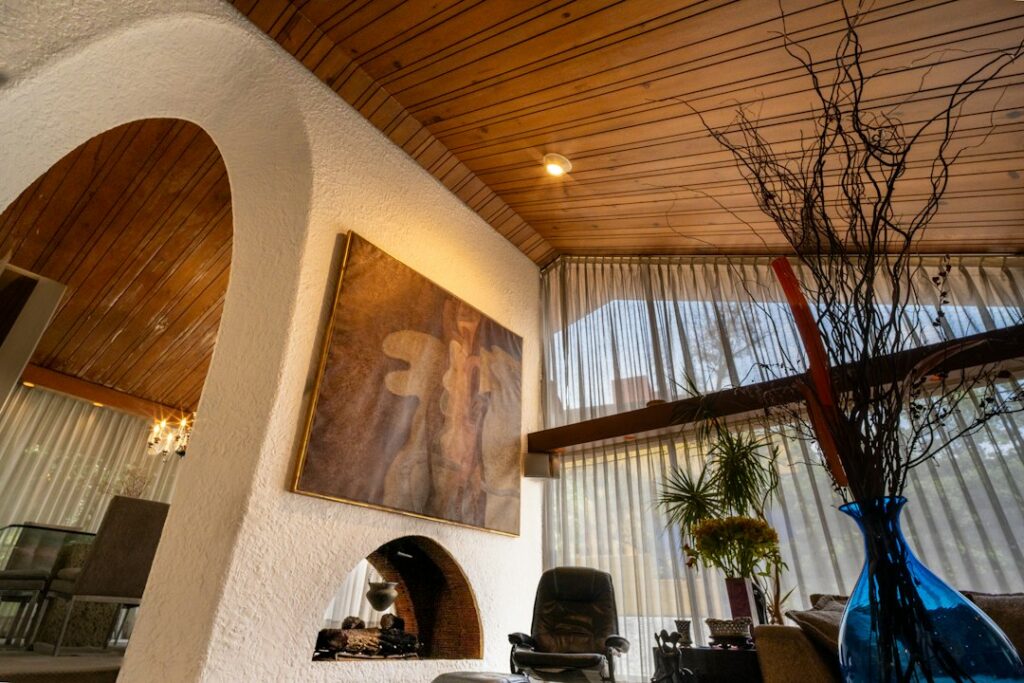
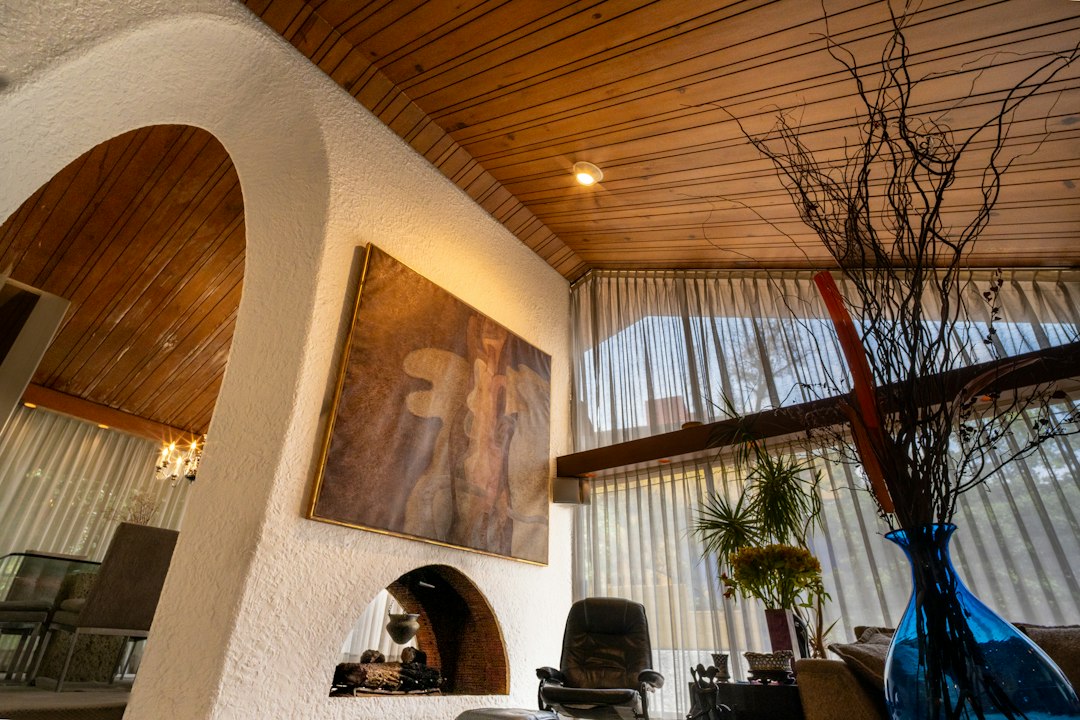
High ceilings can significantly impact heating costs because they increase the volume of space that needs to be warmed. More air to heat means your system works harder, potentially raising your energy bills.
Why High Ceilings Increase Heating Costs
The larger volume of air in rooms with high ceilings requires more energy to heat. Warm air rises, which means it spends more time at ceiling level rather than at ground level where you feel it most. This can lead to uneven temperatures and increased costs.
Heating Efficiency Challenges
High ceilings can make it difficult to maintain consistent temperatures. The heat tends to accumulate near the top, while the lower areas remain cooler. This inefficiency may lead to increased use of your heating system, driving up costs.
Improving Heating in Rooms with High Ceilings
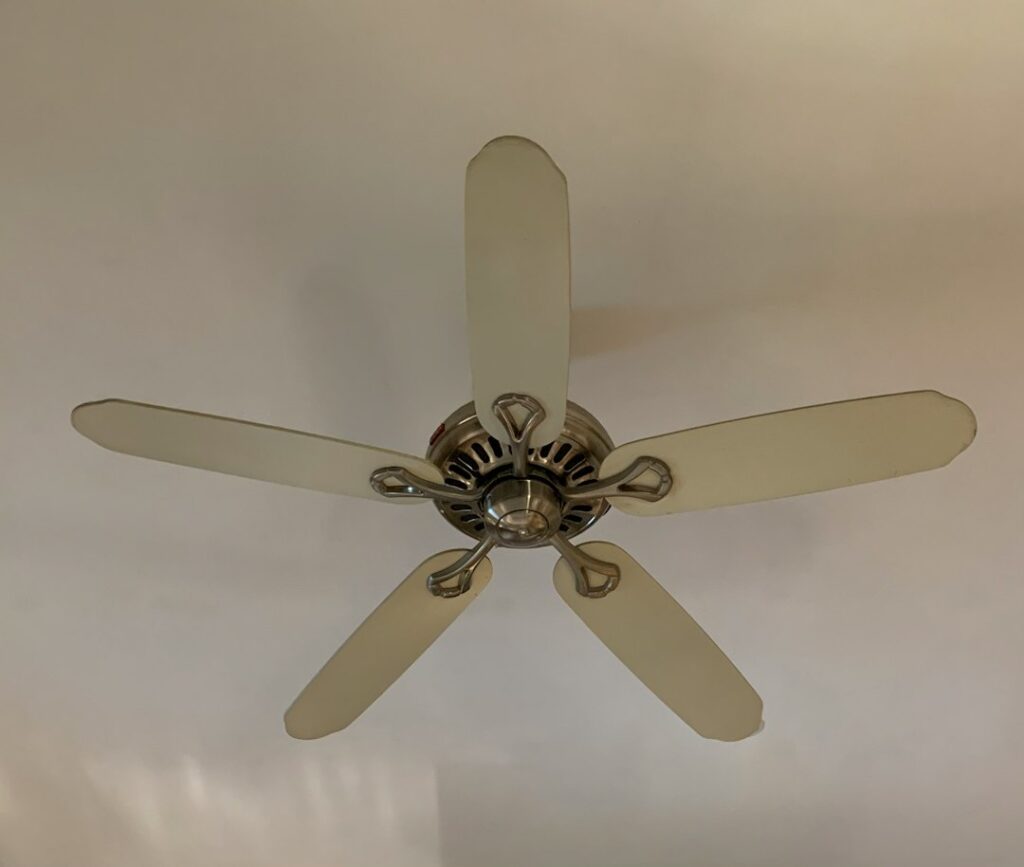
To combat these issues, consider using ceiling fans to push warm air downwards. They help distribute heat more evenly, reducing the load on your heating system. Additionally, proper insulation and sealing of windows and doors can prevent heat loss.
Cost-Effective Solutions
Investing in energy-efficient heating systems can offset some of the costs associated with high ceilings. A furnace with a higher AFUE rating or a heat pump can be more efficient. Find HVAC contractors to help you choose the right system.
Rooms with high ceilings often feel colder because warm air rises, leaving the lower areas cooler.
The Role of HVAC Zoning
Installing a zoning system can allow you to direct heat specifically where it’s needed most. This type of system allows for different temperature settings in various parts of your home, optimizing comfort and efficiency.
Practical Tips for Managing Heating Costs
Regular maintenance of your heating system ensures it runs efficiently. Seal gaps and ensure your insulation is adequate to prevent heat loss. Consider consulting with local contractors for tailored solutions in your area.
To keep heating costs down in homes with high ceilings, focus on improving insulation, using ceiling fans, and considering HVAC zoning.
Frequently asked questions
Do high ceilings affect air conditioning costs?
Yes, high ceilings can also impact air conditioning costs. Just like with heating, more volume means the system needs to work harder to cool the space, potentially raising energy bills.
Can ceiling fans help with heating costs?
Yes, ceiling fans can help circulate warm air that rises to the ceiling, pushing it back down to lower levels where it is needed, improving heating efficiency and potentially lowering costs.
What is the best type of heating system for homes with high ceilings?
Consider a high-efficiency furnace or heat pump. These systems can be more effective at heating larger volumes of air typically found in rooms with high ceilings.